Surface Soil Mold: Fungal Disease | Treatment Guide
A white or gray coating on the surface of the substrate caused by saprophytic fungi. It is usually not directly harmful to the plant but signals excessive moisture, poor air circulation, or decomposing organic matter, which can later lead to root rot.
Slow
10 days
What is Surface Soil Mold?
Surface Soil Mold is a fungal condition with low severity that affects plants. A white or gray coating on the surface of the substrate caused by saprophytic fungi. It is usually not directly harmful to the plant but signals excessive moisture, poor air circulation, or decomposing organic matter, which can later lead to root rot.
Surface Soil Mold is a fungal disease with low severity that spreads at a slow rate. Recovery typically takes approximately 10 days with proper treatment. This condition is contagious and can spread between plants.
Unlike bacterial infections, Surface Soil Mold spreads slowly but is harder to eradicate. Without treatment, affected leaves won't recover. Unlike severe diseases, Surface Soil Mold is rarely fatal. Best treated with homemade organic methods. Without isolation, nearby plants can become infected within days.
🔍 What Are the Symptoms of Surface Soil Mold?
TLDR: Surface Soil Mold presents 4 main symptoms. Early identification is crucial for effective treatment.
Main Symptoms
- ! White, cotton-like growth on the soil surface
- ! Musty or damp odor
- ! Clumping of topsoil particles
- ! Slow drying of the soil
Visual Signs
❓ What Causes Surface Soil Mold in Plants?
- → Overwatering
- → Lack of light and air circulation
- → Use of unsterilized substrate
- → High humidity in the room
💊 How to Treat Surface Soil Mold?
Step by Step
- 1
Mechanically remove the top layer of mold
- 2
Loosen the soil surface
- 3
Sprinkle ground cinnamon on the surface
- 4
Reduce watering and increase light exposure
🧪 Natural vs Chemical: Which Treatment Works for Surface Soil Mold?
🌱 Natural Solutions
- ✓ Ground cinnamon
- ✓ Vinegar and water solution
- ✓ Chamomile tea
- ✓ Activated charcoal
💉 Chemical Solutions
- ✓ Copper-based fungicide spray
- ✓ Sulfur powder
🛡️ How to Prevent Surface Soil Mold?
TLDR: Prevent Surface Soil Mold with 4 essential care practices. Regular monitoring is key for early detection.
- ✓ Allow the top layer of soil to dry out between waterings
- ✓ Ensure good ventilation in the room
- ✓ Use pots with drainage holes
- ✓ Remove fallen leaves from the soil surface
🔗Related Diseases
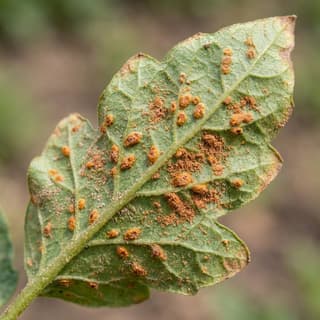
Rust
Rust fungi (Pucciniales) are fungal diseases that form rust-colored, usually orange to brown pustules with powdery spore dust on leaves, stems, or fruits. Typical symptoms include small spots that develop into cushions or rings; leaves turn yellow, curl, and drop prematurely. The fungi spread primarily in damp weather and dense foliage. Many ornamental and crop plants are affected, frequently including roses, mallows (hollyhocks), pears (pear rust), and currants. Some rust fungi require two host plants for their life cycle, such as pear and certain juniper species.
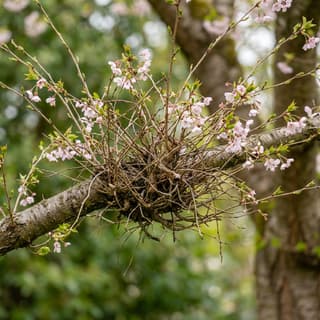
Cherry Witches' Broom
Taphrina wiesneri is a fungal disease affecting cherry trees (Prunus species, including sweet, sour, and ornamental varieties). The fungus overwinters in buds and bark, infecting young leaves and shoots during cool, wet spring weather. Infected leaves become thickened, puckered, and curled, often displaying reddish or yellow blotches and a fine whitish bloom on the surface. Severely affected leaves may drop prematurely. Small twigs can develop 'witches' brooms,' which are dense clusters of weak, distorted shoots.
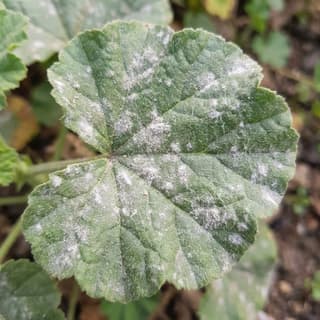
Powdery Mildew
MediumPowdery mildew is a common fungal disease caused by various fungi species including Erysiphe, Podosphaera, Oïdium, and Leveillula. It affects over 10,000 plant species worldwide. The disease thrives in warm, dry climates with high humidity and appears as a distinctive white powdery coating on plant surfaces.
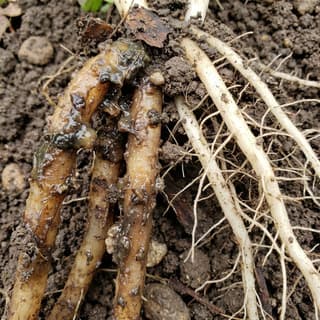
Root Rot
HighRoot rot is a serious fungal disease that affects the root system of plants, causing them to decay and die. It is primarily caused by overwatering, poor drainage, or soil-borne fungi such as Pythium, Phytophthora, Rhizoctonia, and Fusarium. The disease thrives in waterlogged conditions where roots are deprived of oxygen, making them susceptible to fungal infection.