
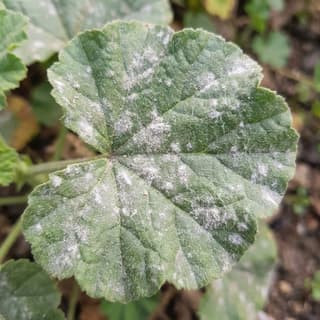
Tasmanian Blue Gum with Powdery Mildew? Rare but Treatable
Eucalyptus globulus
Powdery Mildew on Tasmanian Blue Gum: What to Know?
Powdery Mildew on Tasmanian Blue Gum (Eucalyptus globulus) is a fungal condition with moderate severity. Tasmanian Blue Gum has low susceptibility to this disease. Powdery mildew is a common fungal disease caused by various fungi species including Erysiphe, Podosphaera, Oïdium, and Leveillula. It affects over 10,000 plant species worldwide. The disease thrives i...
Tasmanian Blue Gum is a medium-care plant. Recovery from Powdery Mildew takes approximately 28 days with proper treatment.
Unlike most plants, Tasmanian Blue Gum has natural resistance to Powdery Mildew. Best treated with preventive measures rather than reactive treatment. Unlike bacterial infections, Powdery Mildew on Tasmanian Blue Gum can be managed with organic fungicides. Without precautions, chemical treatments for Powdery Mildew can be harmful to pets. Use organic methods for Tasmanian Blue Gum in pet-friendly homes.
🔍 What Does Powdery Mildew Look Like on Tasmanian Blue Gum?
- • White to gray powdery spots on leaves, stems, and buds
- • Flour-like coating on plant surfaces
- • Purple to red discoloration around infected areas
- • Distorted or twisted young leaves
- • Early wilting and leaf browning
- • Reduced plant growth and flowering
- • Leaf rolling and curled shoots
- • Scab-like sores on severe infections
❓ What Causes Powdery Mildew on Tasmanian Blue Gum?
- → Fungal spores carried by wind from infected plants
- → Warm temperatures (60-80°F / 15-27°C)
- → High relative humidity around plants
- → Poor air circulation and shaded areas
- → Over-fertilization making plants susceptible
- → Spores overwintering on crop residue and weeds
💊 How to Treat Powdery Mildew on Tasmanian Blue Gum?
TLDR: Treat Powdery Mildew on Tasmanian Blue Gum with quick treatment (~14 days) or organic (~28 days). Tasmanian Blue Gum has low susceptibility to this disease.
Quick Fixes
Remove heavily infected areas
Cut away all heavily infected plant parts. Dispose properly away from garden.
Apply potassium bicarbonate
Mix according to product instructions. Spray thoroughly covering all plant surfaces. Wear protective gloves.
Second application
Reapply potassium bicarbonate fungicide after 3 days for enhanced effectiveness.
Switch to sulfur spray
Apply sulfur-based fungicide. Avoid using in temperatures above 80°F to prevent plant damage.
Continue sulfur treatment
Apply second sulfur treatment. Monitor for significant improvement in plant health.
Final treatment and assessment
Apply final treatment. Disease should be under control. Monitor weekly for recurrence.
Organic Treatment
Remove infected parts
Use sterilized pruning shears to cut off all leaves, stems, and buds showing white powdery coating. Dispose in trash, not compost.
Prepare organic spray
Mix 1 tablespoon potassium bicarbonate (or baking soda) with ½ teaspoon Castile soap in 1 gallon of water. Shake well.
Apply first treatment
Spray solution thoroughly on all leaf surfaces (top and bottom), stems, and surrounding foliage. Apply in early morning or evening.
Weekly treatment - Week 1
Prepare fresh solution and spray all plant surfaces again. Check for new infections and remove any affected parts.
Weekly treatment - Week 2
Continue weekly spraying. Monitor plant response and adjust spacing if needed for better airflow.
Weekly treatment - Week 3
Apply fourth treatment. Disease should be significantly reduced by now.
Final treatment and evaluation
Apply final treatment. Evaluate effectiveness. If infection persists, consider chemical options or continue weekly for 2 more weeks.
🛡️ How to Prevent Powdery Mildew on Tasmanian Blue Gum?
TLDR: Prevent Powdery Mildew on Tasmanian Blue Gum with 8 essential preventive care practices.
- ✓ Choose powdery mildew-resistant plant varieties
- ✓ Maintain adequate spacing between plants for airflow
- ✓ Ensure plants receive sufficient sunlight
- ✓ Avoid over-fertilization with nitrogen-rich fertilizers
- ✓ Remove infected plant debris immediately
- ✓ Spray leaves with water in the morning to wash away spores
- ✓ Thin dense plant growth to improve air circulation
- ✓ Keep plants at reasonable distance from structures
🌱 How to Care for Tasmanian Blue Gum to Prevent Powdery Mildew?
💧 How to Water
Water deeply every 7 days, allowing the top layer of soil to dry out between waterings. Avoid waterlogging as this tree is susceptible to root rot from excessive moisture.
☀️ Lighting
Requires full direct sunlight for at least 6 hours per day. Place in the sunniest available spot — a south or west-facing position is ideal for maximum light exposure.
🪴 Ideal Soil
Use well-draining, slightly acidic to neutral soil (pH 5.5–7.0). A mix of loamy garden soil with perlite or coarse sand works well. Avoid heavy clay or waterlogged substrates.
Frequently asked questions
Can Powdery Mildew kill my Tasmanian Blue Gum?
How long does Tasmanian Blue Gum take to recover from Powdery Mildew?
Is Powdery Mildew contagious to other plants near Tasmanian Blue Gum?
Sources & References
- Powdery Mildew: Causes, Effects, And Disease Control
- Powdery Mildew Treatment & Prevention (A How-To Guide)
- Powdery mildew in the flower garden
- Powdery mildew - Prevention, Control and Damage
- Powdery mildews: Symptoms & Control
- Eucalyptus: How To Grow And Care - Gardenia.net
- Eucalyptus Plant Care And Growth - HouseplantCentral
- Eucalyptus globulus - EarthOne
- Eucalyptus Tree Diseases - Gardening Know How
- Insect pests and fungal pathogens of eucalypt plantations