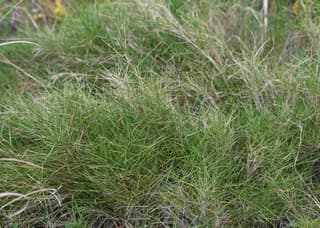
Mediterranean False Brome with Rust Fungi: Prevention & Cure
Brachypodium retusum
Rust Fungi on Mediterranean False Brome: What to Know?
Rust Fungi on Mediterranean False Brome (Brachypodium retusum) is a fungal condition with moderate severity. Mediterranean False Brome has moderate susceptibility to this disease. Rust fungi (Pucciniales) are fungal diseases that form rust-colored, usually orange to brown pustules with powdery spore dust on leaves, stems, or fruits. Typical symptoms include small spots that dev...
Mediterranean False Brome is a easy-care plant.
Unlike bacterial infections, Rust Fungi on Mediterranean False Brome can be managed with organic fungicides.
🛡️ How to Prevent Rust Fungi on Mediterranean False Brome?
TLDR: Prevent Rust Fungi on Mediterranean False Brome with 7 essential preventive care practices.
- ✓ Maintain airy planting distances and thin out regularly so that leaves dry quickly.
- ✓ Water at the base in the morning and keep leaf surfaces free from constant moisture.
- ✓ Fertilize in a balanced manner and do not over-apply nitrogen.
- ✓ Remove fallen leaves and plant debris to reduce overwintering sources.
- ✓ Prefer resistant varieties and look for rust resistance information when purchasing.
- ✓ Do not plant highly rust-susceptible junipers directly next to pear trees.
- ✓ Check regularly after rainy periods and remove the first spots immediately.
🌱 How to Care for Mediterranean False Brome to Prevent Rust Fungi?
💧 How to Water
Water every 14 days in summer, reducing to once a month in winter. Allow soil to dry completely between waterings. Highly sensitive to overwatering — never allow waterlogging.
☀️ Lighting
Requires full sun to light shade. Needs at least 6 hours of direct sunlight daily. Tolerates intense Mediterranean sun and heat without issue.
🪴 Ideal Soil
Thrives in well-drained, poor, stony or calcareous soils. Indifferent to soil type. Avoid rich organic soils that retain moisture, which can cause root rot.