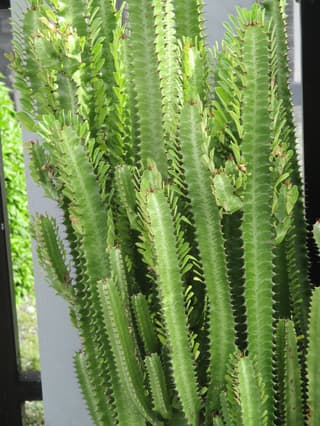

African Milk Tree with Root-Bound: Prevention & Cure
Euphorbia trigona
Root-Bound on African Milk Tree: What to Know?
Root-Bound on African Milk Tree (Euphorbia trigona) is a environmental condition with moderate severity. African Milk Tree has moderate susceptibility to this disease. Root-bound, also called pot-bound, is a common environmental condition that occurs when a plant's roots have outgrown their container. The roots become so densely packed that they circle around the ro...
African Milk Tree is a easy-care plant. Recovery from Root-Bound takes approximately 14 days with proper treatment. As an indoor plant, ensure good ventilation to aid recovery.
🔍 What Does Root-Bound Look Like on African Milk Tree?
- • Roots visibly growing out of drainage holes
- • Dense circular root mass around pot edges
- • Soil dries out extremely quickly after watering
- • Water runs straight through without being absorbed
- • Stunted or significantly slowed growth
- • Yellowing or dropping of lower leaves
- • Frequent wilting despite regular watering
- • Reduced flowering or no new blooms
- • Pot becoming distorted or cracked from root pressure
- • Thick roots visible on soil surface
❓ What Causes Root-Bound on African Milk Tree?
- → Container too small for plant size
- → Plant not repotted for extended period (2+ years)
- → Fast-growing species in restricted space
- → Inadequate pot size at initial planting
- → Neglecting regular root maintenance
- → Using non-expanding containers without upgrades
💊 How to Treat Root-Bound on African Milk Tree?
TLDR: Treat Root-Bound on African Milk Tree with quick treatment (~7 days) or organic (~14 days). African Milk Tree has moderate susceptibility to this disease.
Quick Fixes
Quick assessment
Remove plant from pot. If roots are extremely tight and circling, proceed immediately with aggressive treatment.
Fast soak
Submerge root ball in water for 30-60 minutes only. This loosens soil just enough for quick work.
Aggressive root pruning
Using sharp shears, cut away outer 2 inches of root mass all around. Make 4-6 deep vertical cuts (½ inch) into root ball. Speed is key - work quickly but carefully.
Score root ball
Make X-shaped cuts across the bottom of root ball (½ inch deep). This forces rapid new root growth in all directions.
Immediate repotting
Place in new pot 2-4 inches larger with fast-draining potting mix. Fill quickly, ensuring good soil contact with roots.
Transplant solution application
Water immediately with diluted transplant shock solution (vitamin B1-based). This accelerates root establishment.
Stress reduction
Move to bright indirect light immediately. Maintain consistent moisture for first week - check daily and water when top inch is dry.
Early fertilization
After 7 days, apply half-strength liquid fertilizer to boost recovery. Resume full strength after 3 weeks.
Organic Treatment
Prepare workspace
Gather materials: new pot (1-2" larger), fresh organic potting mix, pruning shears, water bucket, and newspaper or tarp to protect work area.
Remove plant gently
Turn pot sideways and gently slide plant out while supporting the base. If stuck, run a knife around the edge or gently squeeze flexible pots.
Overnight root soak
Submerge entire root ball in room temperature water overnight (8-12 hours). This naturally loosens compacted roots without chemicals.
Gently tease roots
Using fingers, carefully separate and untangle circling roots. Work from outside toward center. Be patient - this may take 15-20 minutes for severely bound plants.
Natural root pruning
Trim outer 1 inch of circling roots with clean shears. Make 3-4 shallow vertical cuts (¼ inch deep) along the root ball sides to stimulate outward growth.
Prepare new container
Add 2 inches of fresh organic potting mix to bottom of new pot. Ensure pot has adequate drainage holes.
Replant carefully
Center plant in new pot at same depth as before. Fill around sides with fresh mix, gently pressing to eliminate air pockets but avoid compacting.
Initial watering
Water thoroughly with room temperature water until it drains freely. This settles soil around roots without using chemicals.
Recovery period
Place in bright indirect light for 7-10 days. Avoid direct sun and fertilizers. Keep soil lightly moist but not waterlogged.
Gradual acclimation
After 2 weeks, gradually return to normal light conditions. Resume regular watering schedule. Wait 4-6 weeks before fertilizing.
🛡️ How to Prevent Root-Bound on African Milk Tree?
TLDR: Prevent Root-Bound on African Milk Tree with 8 essential preventive care practices.
- ✓ Repot fast-growing plants every 1-2 years
- ✓ Repot slow-growing plants every 2-3 years
- ✓ Choose pots 1-2 inches larger in diameter when repotting
- ✓ Use well-draining potting mix to encourage healthy root growth
- ✓ Monitor drainage holes regularly for emerging roots
- ✓ Check root health annually by gently removing plant from pot
- ✓ Select appropriate pot size based on plant growth rate
- ✓ Avoid keeping plants in same container for too long
🌱 How to Care for African Milk Tree to Prevent Root-Bound?
💧 How to Water
Water only when soil is completely dry, typically every 3-4 weeks. Reduce watering in winter. Wrinkled leaves indicate thirst. Yellowing or browning may signal overwatering and root rot.
☀️ Lighting
Prefers bright indirect light to direct sunlight. Can tolerate some direct morning or afternoon sun. Avoid harsh midday sun which may cause scorching. Also adapts to medium light conditions.
🪴 Ideal Soil
Use well-draining sandy or cactus mix. A 2:1:1 blend of cactus soil, perlite, and coarse sand works well. Good drainage is essential to prevent root rot.
Frequently asked questions
Can Root-Bound kill my African Milk Tree?
How long does African Milk Tree take to recover from Root-Bound?
Is Root-Bound contagious to other plants near African Milk Tree?
Sources & References
- Root-Bound Plant Guide: How to Fix a Root-Bound Plant - MasterClass
- Root Bound Symptoms - Help For Root Bound Plants | Gardening Know How
- Root Bound Plant Symptoms and Repotting Tips - Wild Interiors
- Root Bound: Prevention, Symptoms, Treatment | Hydrobuilder.com
- How to Repot a Root Bound Plant - The Green Mad House
- BBC Gardeners World Magazine
- NC State Extension
- Gardenia.net
- NY Botanical Garden