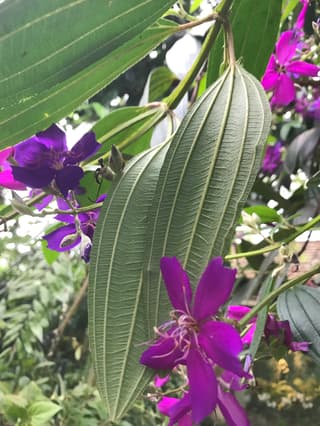
Princess Flower with Root-Knot Nematodes: Prevention & Cure
Tibouchina granulosa
Root-Knot Nematodes on Princess Flower: What to Know?
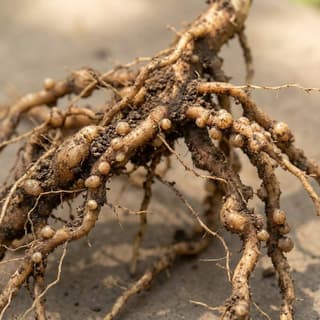
Root-Knot Nematodes on Princess Flower (Tibouchina granulosa) is a pest condition with high severity. Princess Flower has moderate susceptibility to this disease. Root-knot nematodes (Meloidogyne species) are microscopic roundworms that parasitize plant roots, causing characteristic galls or knots. These soil-borne pests are among the most economically damaging...
Princess Flower is a medium-care plant. Recovery from Root-Knot Nematodes takes approximately 90 days with proper treatment. As an indoor plant, ensure good ventilation to aid recovery.
Unlike fungal diseases, Root-Knot Nematodes on Princess Flower responds quickly to integrated pest management.
🔍 What Does Root-Knot Nematodes Look Like on Princess Flower?
- • Characteristic galls or knots on roots (1-10mm in diameter)
- • Root swelling, distortion, and excessive branching
- • Yellowing of leaves (chlorosis), especially lower leaves
- • Wilting during hot periods despite adequate soil moisture
- • Stunted growth and reduced vigor
- • Reduced flowering and fruit production
- • Plant death in severe infestations
- • Discolored or necrotic root tips
❓ What Causes Root-Knot Nematodes on Princess Flower?
- → Infection by microscopic roundworms (Meloidogyne incognita, M. javanica, M. arenaria)
- → Nematode larvae penetrate roots and establish feeding sites
- → Enzymes injected by nematodes cause cell enlargement (galls)
- → Contaminated soil, water, or infected plant material
- → Warm soil temperatures (70-80°F/21-27°C) favor reproduction
- → Sandy, well-drained soils are most susceptible
- → Can survive in soil for years without host plants
💊 How to Treat Root-Knot Nematodes on Princess Flower?
TLDR: Treat Root-Knot Nematodes on Princess Flower with quick treatment (~45 days) or organic (~90 days). Princess Flower has moderate susceptibility to this disease.
Quick Fixes
Step 1
Remove and destroy all infected plants and roots
Step 2
Drench soil with neem oil solution (2-4 tablespoons per gallon of water)
Step 3
Apply beneficial nematodes (fast-acting species like Steinernema carpocapsae)
Step 4
Water area thoroughly to activate beneficial nematodes
Step 5
Apply Paecilomyces lilacinus fungal biocontrol to soil
Step 6
Replant with resistant varieties only
Step 7
Monitor weekly for 4-6 weeks
Organic Treatment
Step 1
Remove infected plants immediately, including all root material
Step 2
Solarize the affected area with clear plastic tarp for 3-5 days in full sun (mid-summer)
Step 3
Till soil deeply 2-3 times to expose nematodes to air and predators
Step 4
Apply beneficial nematodes (Steinernema feltiae or Heterorhabditis bacteriophora) to soil at recommended rates
Step 5
Incorporate 2-3 inches of quality compost to boost beneficial microorganisms
Step 6
Plant French marigolds (Tagetes patula) as a cover crop for 2-3 months
Step 7
Add mycorrhizal fungi inoculant when replanting
Step 8
Monitor roots every 2 weeks for new gall formation
🛡️ How to Prevent Root-Knot Nematodes on Princess Flower?
TLDR: Prevent Root-Knot Nematodes on Princess Flower with 8 essential preventive care practices.
- ✓ Plant resistant or tolerant varieties when available
- ✓ Rotate crops with non-susceptible plants (grasses, crucifers)
- ✓ Solarize soil before planting using clear plastic tarps (3-5 days in mid-summer)
- ✓ Use certified disease-free planting material
- ✓ Practice good sanitation: clean tools, remove infected roots immediately
- ✓ Improve soil health with organic matter to encourage beneficial microorganisms
- ✓ Avoid moving soil from infested to clean areas
- ✓ Plant French marigolds (Tagetes patula) as trap crops or cover crops
🌱 How to Care for Princess Flower to Prevent Root-Knot Nematodes?
💧 How to Water
Water deeply twice a week during dry periods. Once established in the ground, it can tolerate short periods of drought.
☀️ Lighting
To ensure intense flowering, plant in a location that receives at least 6 hours of direct sunlight per day.
🪴 Ideal Soil
The Princess Flower thrives in slightly acidic soils. Add peat moss or organic compost to improve acidity and fertility.
Frequently asked questions
Can Root-Knot Nematodes kill my Princess Flower?
How long does Princess Flower take to recover from Root-Knot Nematodes?
Is Root-Knot Nematodes contagious to other plants near Princess Flower?
Sources & References
- Organic Root Knot Nematode Control
- Root-Knot Nematode – Wisconsin Horticulture
- NC State Extension - Root-Knot Nematodes
- UC IPM - Nematode Management Guidelines
- Epic Gardening - Root Knot Nematode
- Tibouchina Tree: How To Grow and Care For The Purple Glory Tree
- Brazilian Glory Tree Plant Care & Growing Basics - PlantIn
- Common Tibouchina Problems and How to Handle Them