Cherry Tomato with Root-Knot Nematodes: Prevention & Cure
Solanum lycopersicum var. cerasiforme
Root-Knot Nematodes on Cherry Tomato: What to Know?
Root-Knot Nematodes on Cherry Tomato (Solanum lycopersicum var. cerasiforme) is a pest condition with high severity. Cherry Tomato has moderate susceptibility to this disease. Root-knot nematodes (Meloidogyne species) are microscopic roundworms that parasitize plant roots, causing characteristic galls or knots. These soil-borne pests are among the most economically damaging...
Cherry Tomato is a medium-care plant. Recovery from Root-Knot Nematodes takes approximately 90 days with proper treatment. As an indoor plant, ensure good ventilation to aid recovery.
Unlike fungal diseases, Root-Knot Nematodes on Cherry Tomato responds quickly to integrated pest management. Without precautions, chemical treatments for Root-Knot Nematodes can be harmful to pets. Use organic methods for Cherry Tomato in pet-friendly homes.
🔍 What Does Root-Knot Nematodes Look Like on Cherry Tomato?
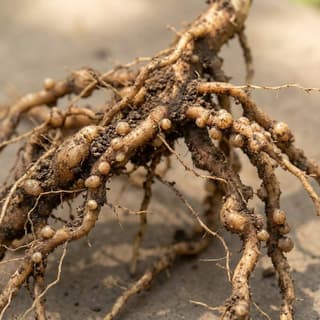
- • Characteristic galls or knots on roots (1-10mm in diameter)
- • Root swelling, distortion, and excessive branching
- • Yellowing of leaves (chlorosis), especially lower leaves
- • Wilting during hot periods despite adequate soil moisture
- • Stunted growth and reduced vigor
- • Reduced flowering and fruit production
- • Plant death in severe infestations
- • Discolored or necrotic root tips
❓ What Causes Root-Knot Nematodes on Cherry Tomato?
- → Infection by microscopic roundworms (Meloidogyne incognita, M. javanica, M. arenaria)
- → Nematode larvae penetrate roots and establish feeding sites
- → Enzymes injected by nematodes cause cell enlargement (galls)
- → Contaminated soil, water, or infected plant material
- → Warm soil temperatures (70-80°F/21-27°C) favor reproduction
- → Sandy, well-drained soils are most susceptible
- → Can survive in soil for years without host plants
💊 How to Treat Root-Knot Nematodes on Cherry Tomato?
TLDR: Treat Root-Knot Nematodes on Cherry Tomato with quick treatment (~45 days) or organic (~90 days). Cherry Tomato has moderate susceptibility to this disease.
Quick Fixes
Step 1
Remove and destroy all infected plants and roots
Step 2
Drench soil with neem oil solution (2-4 tablespoons per gallon of water)
Step 3
Apply beneficial nematodes (fast-acting species like Steinernema carpocapsae)
Step 4
Water area thoroughly to activate beneficial nematodes
Step 5
Apply Paecilomyces lilacinus fungal biocontrol to soil
Step 6
Replant with resistant varieties only
Step 7
Monitor weekly for 4-6 weeks
Organic Treatment
Step 1
Remove infected plants immediately, including all root material
Step 2
Solarize the affected area with clear plastic tarp for 3-5 days in full sun (mid-summer)
Step 3
Till soil deeply 2-3 times to expose nematodes to air and predators
Step 4
Apply beneficial nematodes (Steinernema feltiae or Heterorhabditis bacteriophora) to soil at recommended rates
Step 5
Incorporate 2-3 inches of quality compost to boost beneficial microorganisms
Step 6
Plant French marigolds (Tagetes patula) as a cover crop for 2-3 months
Step 7
Add mycorrhizal fungi inoculant when replanting
Step 8
Monitor roots every 2 weeks for new gall formation
🛡️ How to Prevent Root-Knot Nematodes on Cherry Tomato?
TLDR: Prevent Root-Knot Nematodes on Cherry Tomato with 8 essential preventive care practices.
- ✓ Plant resistant or tolerant varieties when available
- ✓ Rotate crops with non-susceptible plants (grasses, crucifers)
- ✓ Solarize soil before planting using clear plastic tarps (3-5 days in mid-summer)
- ✓ Use certified disease-free planting material
- ✓ Practice good sanitation: clean tools, remove infected roots immediately
- ✓ Improve soil health with organic matter to encourage beneficial microorganisms
- ✓ Avoid moving soil from infested to clean areas
- ✓ Plant French marigolds (Tagetes patula) as trap crops or cover crops
🌱 How to Care for Cherry Tomato to Prevent Root-Knot Nematodes?
💧 How to Water
Water deeply at the base of the plant, keeping the soil evenly moist but never waterlogged. Avoid wetting the foliage to reduce fungal disease risk, and mulch to retain moisture and stabilize watering between sessions.
☀️ Lighting
Cherry tomatoes need at least 6 hours of direct sun daily; 8+ hours produces the sweetest, most abundant fruit.
🪴 Ideal Soil
Plant in rich, well-draining, organic-matter-heavy soil with a pH of 6.2-6.8. Amend with compost before planting and side-dress with additional compost mid-season.
Frequently asked questions
Can Root-Knot Nematodes kill my Cherry Tomato?
How long does Cherry Tomato take to recover from Root-Knot Nematodes?
Is Root-Knot Nematodes contagious to other plants near Cherry Tomato?
Sources & References
- Organic Root Knot Nematode Control
- Root-Knot Nematode – Wisconsin Horticulture
- NC State Extension - Root-Knot Nematodes
- UC IPM - Nematode Management Guidelines
- Epic Gardening - Root Knot Nematode
- How to Plant, Grow, and Care for Cherry Tomatoes - Epic Gardening
- Recognizing Common Tomato Pests, Pathogens, and Problems - CSU Extension
- Toxic and Non-toxic Plants: Tomato Plant - ASPCA
- Cherry Tomatoes - UF/IFAS Gardening Solutions
- Managing Tomato Diseases, Disorders, and Pests - Iowa State Extension