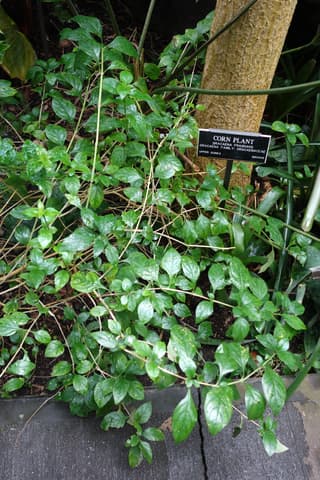

Corn Plant Prone to Root Rot: How to Protect
Dracaena fragrans
Root Rot on Corn Plant: What to Know?
Root Rot on Corn Plant (Dracaena fragrans) is a fungal condition with high severity. Corn Plant has high susceptibility to this disease. Root rot is a serious fungal disease that affects the root system of plants, causing them to decay and die. It is primarily caused by overwatering, poor drainage, or soil-borne fungi such as Pythium,...
Corn Plant is a easy-care plant. Recovery from Root Rot takes approximately 21 days with proper treatment. As an indoor plant, ensure good ventilation to aid recovery.
Corn Plant is highly susceptible to Root Rot, unlike most plants in the same family. Without early intervention, recovery takes 32 days instead of 21 days. Unlike bacterial infections, Root Rot on Corn Plant can be managed with organic fungicides. Without precautions, chemical treatments for Root Rot can be harmful to pets. Use organic methods for Corn Plant in pet-friendly homes.
🔍 What Does Root Rot Look Like on Corn Plant?
- • Wilting leaves despite moist soil
- • Yellowing or browning of leaves
- • Stunted growth and poor vigor
- • Soft, mushy, dark brown or black roots
- • Foul, rotting odor from the root zone
- • Leaves dropping prematurely
- • Plant easily pulls out of soil
- • Base of stem appears soft and discolored
❓ What Causes Root Rot on Corn Plant?
- → Overwatering and waterlogged soil
- → Poor drainage in pots or soil
- → Soil-borne fungi (Pythium, Phytophthora, Rhizoctonia, Fusarium)
- → Compacted soil preventing oxygen flow
- → Reusing contaminated potting mix
- → Using garden soil instead of sterile potting mix
- → Pots without drainage holes
💊 How to Treat Root Rot on Corn Plant?
TLDR: Treat Root Rot on Corn Plant with quick treatment (~14 days) or organic (~21 days). Corn Plant has high susceptibility to this disease.
Quick Fixes
Emergency unpotting
Remove plant immediately from wet soil. Speed is critical.
Root rinse
Rinse roots under lukewarm running water to remove all soil.
Aggressive pruning
Cut away ALL affected roots without hesitation. Its better to over-prune than leave infected tissue.
Peroxide treatment
Spray or dip roots in 3% hydrogen peroxide solution. This kills pathogens and oxygenates tissue.
Quick dry
Pat roots with paper towels and let air dry for 30-60 minutes.
Fast repot
Repot in completely dry, fresh potting mix. Do not water for 3-5 days.
Stress reduction
Place in bright indirect light, away from direct sun. Reduce watering frequency significantly.
Organic Treatment
Remove and assess
Carefully remove the plant from its pot and gently wash away all soil from the roots. Assess the extent of root damage.
Prune affected roots
Using sterile scissors, cut away all soft, mushy, brown, or black roots. Cut back to healthy white tissue.
Apply cinnamon
Dust all cut surfaces generously with cinnamon powder to prevent fungal regrowth.
Prepare chamomile soak
Brew strong chamomile tea and let it cool. Soak the remaining roots for 15-20 minutes.
Air dry roots
Let the roots air dry for 2-4 hours in a shaded area with good air circulation.
Prepare new container
Clean the pot with diluted vinegar, rinse well, and fill with fresh sterile potting mix.
Repot carefully
Plant in the new soil, ensuring the root crown is at the proper level.
Initial watering
Water lightly with diluted neem oil solution (1 tsp per liter of water).
Recovery monitoring
Keep soil mostly dry for 1-2 weeks. Only water when top 2 inches are completely dry.
🛡️ How to Prevent Root Rot on Corn Plant?
TLDR: Prevent Root Rot on Corn Plant with 8 essential preventive care practices.
- ✓ Always use pots with drainage holes
- ✓ Use well-draining, pasteurized potting mix
- ✓ Allow soil to dry between waterings
- ✓ Check soil moisture before watering
- ✓ Never let plants sit in standing water
- ✓ Disinfect tools and pots between uses
- ✓ Avoid overwatering, especially in winter
- ✓ Ensure adequate air circulation around plants
🌱 How to Care for Corn Plant to Prevent Root Rot?
💧 How to Water
Allow the top 75% of soil to dry between waterings. Use distilled or rainwater as this plant is sensitive to fluoride and chemicals in tap water. Reduce watering in winter when growth slows. Yellow leaves often indicate overwatering.
☀️ Lighting
Prefers medium to bright indirect light but tolerates low light. Avoid direct sunlight which can scorch leaves. Variegated varieties need more light to maintain their coloring. Brown spots indicate too much light; slow growth indicates too little.
🪴 Ideal Soil
Use well-draining, loamy potting soil with a pH of 6.0-6.5. A mix of peat moss, perlite, and standard potting soil works well. Good drainage is essential to prevent root rot.