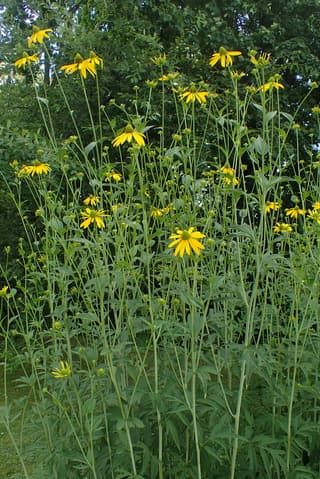
Cutleaf Coneflower with Septoria Leaf Spot? Rare but Treatable
Rudbeckia laciniata
Septoria Leaf Spot on Cutleaf Coneflower: What to Know?
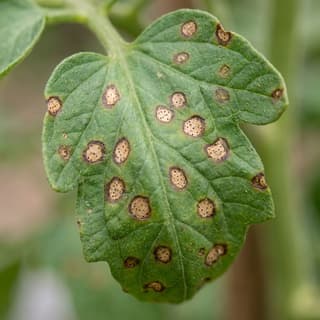
Septoria Leaf Spot on Cutleaf Coneflower (Rudbeckia laciniata) is a fungal condition with high severity. Cutleaf Coneflower has low susceptibility to this disease. Septoria leaf spot is a destructive fungal disease caused by Septoria lycopersici, particularly devastating during seasons of moderate temperature and abundant rainfall. The disease starts on lower le...
Cutleaf Coneflower is a easy-care plant. Recovery from Septoria Leaf Spot takes approximately 21 days with proper treatment.
Unlike most plants, Cutleaf Coneflower has natural resistance to Septoria Leaf Spot. Best treated with preventive measures rather than reactive treatment. Unlike bacterial infections, Septoria Leaf Spot on Cutleaf Coneflower can be managed with organic fungicides.
❓ What Causes Septoria Leaf Spot on Cutleaf Coneflower?
- → Fungal pathogen Septoria lycopersici
- → Spores survive up to 2 years in infected plant debris
- → Spread through water splash from rain or overhead irrigation
- → High humidity and moderate temperatures (60-80°F) favor disease development
- → Poor air circulation and wet foliage conditions
- → Infected seeds or transplants
- → Solanaceous weeds acting as disease reservoirs
💊 How to Treat Septoria Leaf Spot on Cutleaf Coneflower?
TLDR: Treat Septoria Leaf Spot on Cutleaf Coneflower with quick treatment (~11 days) or organic (~21 days). Cutleaf Coneflower has low susceptibility to this disease.
Quick Fixes
Step 1
At first sign of symptoms, apply chlorothalonil-based fungicide
Step 2
Spray thoroughly to cover all leaf surfaces, especially undersides
Step 3
Repeat application every 7 days during favorable disease conditions
Step 4
Remove heavily infected leaves to reduce spore load
Step 5
Ensure good spray coverage on lower canopy where disease starts
Organic Treatment
Step 1
Remove and destroy infected lower leaves carefully while preserving adequate canopy
Step 2
Apply copper-based fungicide (copper diammonia diacetate complex preferred) at early symptom appearance
Step 3
Spray neem oil as foliar application every 7-10 days during wet weather
Step 4
Use baking soda solution (1 tbsp soda + 2.5 tbsp oil per gallon water) as preventative spray
Step 5
Apply compost tea as foliar treatment to boost plant immunity
Step 6
Maintain strict sanitation by removing fallen leaves weekly
🛡️ How to Prevent Septoria Leaf Spot on Cutleaf Coneflower?
TLDR: Prevent Septoria Leaf Spot on Cutleaf Coneflower with 10 essential preventive care practices.
- ✓ Rotate crops away from tomatoes and related plants for at least 2 years
- ✓ Remove and destroy all infected plant debris at season end
- ✓ Use disease-free certified seeds and transplants
- ✓ Space plants adequately for good air circulation
- ✓ Stake or trellis plants to keep foliage off ground
- ✓ Apply mulch to prevent soil-to-leaf contact
- ✓ Water at plant base early morning using drip irrigation
- ✓ Avoid overhead watering and working with wet plants
- ✓ Control solanaceous weeds like horsenettle
- ✓ Sanitize tools and equipment between uses
🌱 How to Care for Cutleaf Coneflower to Prevent Septoria Leaf Spot?
💧 How to Water
Keep the soil evenly moist, watering every 4 to 6 days during dry summer spells. In a spot that is too sunny and dry, the leaves droop and wither. Water at the base, not over the leaves, to discourage powdery mildew.
☀️ Lighting
Grows in full sun or part shade. Strong sun with dry soil stresses it; light part shade is ideal in hot climates.
🪴 Ideal Soil
Fertile loam or silt loam, rich in organic matter and moisture-retentive. It tolerates clay and occasional flooding.