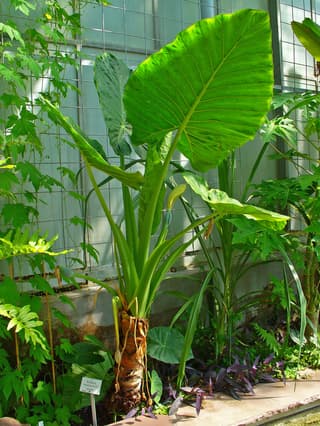
Giant Taro with Southern Blight? Rare but Treatable
Alocasia macrorrhizos
Southern Blight on Giant Taro: What to Know?
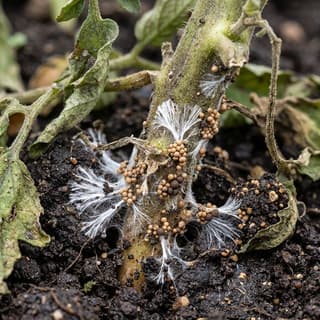
Southern Blight on Giant Taro (Alocasia macrorrhizos) is a fungal condition with high severity. Giant Taro has low susceptibility to this disease. Southern blight is a devastating soilborne fungal disease caused by Athelia rolfsii (formerly Sclerotium rolfsii), affecting over 500 plant species including vegetables, ornamentals, and fruit crops....
Giant Taro is a medium-care plant. Recovery from Southern Blight takes approximately 21 days with proper treatment. As an indoor plant, ensure good ventilation to aid recovery.
Unlike most plants, Giant Taro has natural resistance to Southern Blight. Best treated with preventive measures rather than reactive treatment. Unlike bacterial infections, Southern Blight on Giant Taro can be managed with organic fungicides. Without precautions, chemical treatments for Southern Blight can be harmful to pets. Use organic methods for Giant Taro in pet-friendly homes.
🔍 What Does Southern Blight Look Like on Giant Taro?
- • Brown to black lesions on stem near soil line
- • Water-soaked appearance on lower leaves
- • Sudden and permanent wilting of entire plant within days
- • White mycelium radiating from plant base onto soil surface
- • Spherical tan to reddish-brown sclerotia (1-2mm)
- • Yellowing and necrosis of foliage
- • Crown and root rot
- • On fruits: sunken yellow lesions turning water-soaked
❓ What Causes Southern Blight on Giant Taro?
- → Soilborne fungus Athelia rolfsii surviving through sclerotia
- → High temperatures (25-30°C / 77-95°F)
- → High soil moisture and relative humidity above 90%
- → Acidic soil (pH below 7, especially pH 2-5)
- → Spread through infested soil and plant debris
- → Contaminated tools, irrigation water, and transplants
- → Contaminated mulch or compost
- → Plant stress and stem injuries
💊 How to Treat Southern Blight on Giant Taro?
TLDR: Treat Southern Blight on Giant Taro with quick treatment (~11 days) or organic (~21 days). Giant Taro has low susceptibility to this disease.
Quick Fixes
Step 1
Remove infected plants IMMEDIATELY with roots and soil
Step 2
Apply azoxystrobin drench to adjacent plants
Step 3
Spray mancozeb on base of all plants in area
Step 4
Drastically reduce irrigation
Step 5
Reapply fungicides every 7-10 days for 3 weeks
Organic Treatment
Step 1
Remove diseased plants and 3 inches of contaminated soil
Step 2
Solarize area with clear plastic for 6 weeks
Step 3
Incorporate compost rich in Trichoderma
Step 4
Adjust soil pH with lime
Step 5
Improve drainage and plant spacing
Step 6
Apply preventive bicarbonate spray biweekly
🛡️ How to Prevent Southern Blight on Giant Taro?
TLDR: Prevent Southern Blight on Giant Taro with 10 essential preventive care practices.
- ✓ Carefully inspect transplants for sclerotia before planting
- ✓ Avoid planting in fields with history of infestation
- ✓ Maintain soil pH above 7 (lime reduces sclerotial germination)
- ✓ Improve plant spacing to increase airflow
- ✓ Use high-quality mulches from reputable suppliers
- ✓ Rotate with non-host crops (corn, wheat, barley) for 2-3 years
- ✓ Avoid overwatering and excessive soil moisture
- ✓ Disinfect tools between plants
- ✓ Deep plow (8-12 inches) to bury sclerotia
- ✓ Remove symptomatic plants and weeds immediately
🌱 How to Care for Giant Taro to Prevent Southern Blight?
💧 How to Water
Water when the top third of soil dries out. Use lukewarm water and reduce frequency in autumn and winter. Avoid waterlogging as it is prone to root rot. Let tap water sit 24 hours before use to remove chlorine.
☀️ Lighting
Place in bright, indirect light within 1.5-2 meters of a window. Can tolerate brief morning sun but avoid harsh afternoon direct sunlight. Prefers overhead light to grow upright leaves evenly.
🪴 Ideal Soil
Use a well-draining mix of potting soil, peat moss, and perlite in equal parts. Maintain slightly acidic to neutral pH (5.7-6.3). Add extra perlite or grit for larger specimens.
Frequently asked questions
Can Southern Blight kill my Giant Taro?
How long does Giant Taro take to recover from Southern Blight?
Is Southern Blight contagious to other plants near Giant Taro?
Sources & References
- Southern Blight - Wisconsin Horticulture
- Southern Blight of Tomato and Pepper - NC State Extension
- Southern Blight - Prevention, Control and Damage - Koppert
- Southern blight - APS
- An Overview of Southern Blight - Virginia Tech
- UK Houseplants - Alocasia Macrorrhizos Care
- Gardenia.net - Giant Taro
- Garden Pals - Giant Taro Care Guide
- NC State Extension - Alocasia