Tomato Spotted Wilt Virus (TSWV): Viral Disease | Identification & Management
Tomato Spotted Wilt Virus (TSWV) is one of the most devastating viral diseases affecting over 1,000 plant species across 85 families. It is transmitted by thrips and cannot be cured once a plant is infected. The virus causes severe stunting, bronzing of leaves, necrotic spots, and significant yield losses. Early detection and removal of infected plants is critical to prevent spread.
Fast
90 days
What is Tomato Spotted Wilt Virus (TSWV)?
Tomato Spotted Wilt Virus (TSWV) is a viral condition with critical severity that affects plants. Tomato Spotted Wilt Virus (TSWV) is one of the most devastating viral diseases affecting over 1,000 plant species across 85 families. It is transmitted by thrips and cannot be cured once a plant is infected. The virus causes severe stunting, bronzing of leaves, necrotic spots, and significant yield...
Tomato Spotted Wilt Virus (TSWV) is a viral disease with critical severity that spreads at a fast rate. Recovery typically takes approximately 90 days with proper treatment. It affects 10 plant species in our database. This condition is contagious and can spread between plants.
Without isolation, nearby plants can become infected within days.
🔍 What Are the Symptoms of Tomato Spotted Wilt Virus (TSWV)?
TLDR: Tomato Spotted Wilt Virus (TSWV) presents 11 main symptoms. Early identification is crucial for effective treatment.
Main Symptoms
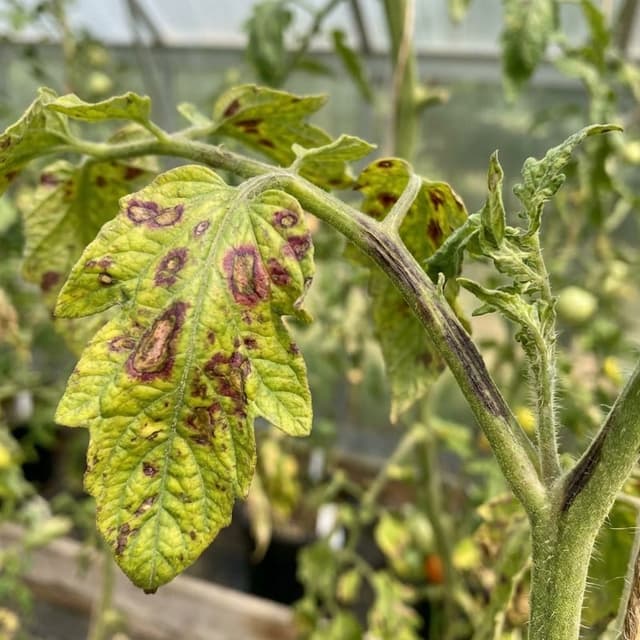
- ! Bronze appearance on upper leaves
- ! Small brown necrotic spots and lesions
- ! Chlorotic yellow ring spots on foliage
- ! Wilting or drooping despite adequate water
- ! Severe stunting and reduced plant growth
- ! Yellow ringspots and brown necrotic sunken areas on fruit
- ! Shepherd's crook appearance in young seedlings (leading to death)
- ! Concentric rings and spot patterns on leaves and fruit
- ! Cupping and curling of leaves
- ! Death of leaf petioles and growing tips
- ! Line patterns and spots on flower petals
Visual Signs
❓ What Causes Tomato Spotted Wilt Virus (TSWV) in Plants?
- → Transmission by thrips (at least 10 species) during larval feeding
- → Thrips acquire virus only during larval stage by feeding on infected plants
- → Infected thrips transmit virus throughout their lifetime
- → Virus reservoirs in weeds and alternate host plants
- → Movement of infected transplants
- → Spread accelerated by high thrips populations
💊 How to Treat Tomato Spotted Wilt Virus (TSWV)?
TLDR: Treat Tomato Spotted Wilt Virus (TSWV) with 45 days of quick treatment or 90 days of organic treatment. Full recovery takes approximately 90 days.
Quick Fixes
~45 days
Step 1
Immediately remove and destroy all plants showing symptoms
Step 2
Apply systemic insecticide (imidacloprid) as soil drench to remaining plants
Step 3
Spray foliar insecticide (spinetoram or abamectin) targeting thrips
Step 4
Install physical barriers: fine mesh screens if in greenhouse
Step 5
Double scouting frequency to daily inspections for 2 weeks
Step 6
Remove all weeds and potential virus reservoirs within 50 feet
Step 7
Mark affected area and avoid planting susceptible crops for 60 days
Materials needed:
Organic Treatment
~90 days
Step 1
Scout plants daily and immediately remove any showing bronze leaves or ring spots
Step 2
Destroy removed plants by burning or sealed plastic bags (never compost)
Step 3
Apply neem oil spray (0.5-1%) weekly to suppress thrips populations
Step 4
Install yellow sticky traps every 10 feet to monitor and trap thrips
Step 5
Introduce beneficial predatory mites (Amblyseius cucumeris) weekly for 4 weeks
Step 6
Apply diatomaceous earth around plant bases and refresh after rain
Step 7
Eliminate all weeds within 100 feet of planting area
Step 8
Remove old crop debris and volunteer plants immediately
Step 9
Apply reflective mulch or aluminum foil strips to repel thrips
Materials needed:
Expert Treatment
~135 days
Step 1
Conduct immediate field survey and map all infected plants with GPS/markers
Step 2
Establish 3-zone management: hot zone (infected), buffer zone (high-risk), safe zone
Step 3
Remove and destroy all infected plants in hot zone plus 5-foot buffer
Step 4
Implement dual-mode insecticide program: systemic (imidacloprid soil drench) + foliar rotation (spinetoram week 1, abamectin week 2, repeat)
Step 5
Deploy intensive thrips monitoring: yellow sticky traps every 8-10 feet, count weekly
Step 6
Release biological control agents: predatory mites (Amblyseius) and minute pirate bugs biweekly
Step 7
Execute radical weed suppression protocol within 200 feet using mulch and targeted herbicides
Step 8
Install UV-reflective mulch in buffer and safe zones
Step 9
Conduct molecular testing (ELISA or PCR) on asymptomatic high-risk plants in buffer zone
Step 10
Implement post-harvest sanitation: remove all plant material, deep till, 60-day fallow period
Step 11
Replant only with resistant varieties (Sw-5 tomatoes or Tsw peppers)
Step 12
Establish preventive thrips management for next crop: pre-transplant imidacloprid, weekly scouting, trap monitoring
Step by Step
- 1
Immediately isolate and remove all symptomatic plants
- 2
Destroy infected plants by burning or sealed disposal (never compost)
- 3
Apply thrips control measures to remaining healthy plants
- 4
Increase scouting frequency to twice weekly
- 5
Intensify weed management within 100 feet of affected area
- 6
Consider replanting with resistant varieties if losses exceed 30%
🧪 Natural vs Chemical: Which Treatment Works for Tomato Spotted Wilt Virus (TSWV)?
🌱 Natural Solutions
- ✓ Remove and destroy infected plants immediately (do not compost)
- ✓ Apply neem oil spray to reduce thrips populations
- ✓ Use insecticidal soap targeting thrips adults and larvae
- ✓ Introduce beneficial insects like predatory mites (Amblyseius species) and minute pirate bugs
- ✓ Apply diatomaceous earth around plant bases
- ✓ Use garlic or hot pepper spray as thrips repellent
- ✓ Maintain high biodiversity to support natural predators
- ✓ Spray spinosad (organic insecticide) for thrips control
💉 Chemical Solutions
- ✓ Apply systemic insecticides like imidacloprid for thrips control (pre-transplant soil drench)
- ✓ Use foliar insecticides: spinetoram, abamectin, or acephate
- ✓ Treat with neonicotinoids for seedling protection
- ✓ Apply contact insecticides targeting adult thrips
- ✓ Note: No chemical can cure the virus; focus is on vector control
Treatment Comparison
| Type | Estimated time | Steps | Difficulty | Best For |
|---|---|---|---|---|
| ⚡Quick | ~45 days | 7 | Advanced | Urgent cases |
| 🌿Organic | ~90 days | 9 | Advanced | Indoor plants |
| 🔬Expert | ~135 days | 12 | Advanced | Severe infections |
🛡️ How to Prevent Tomato Spotted Wilt Virus (TSWV)?
TLDR: Prevent Tomato Spotted Wilt Virus (TSWV) with 10 essential care practices. Regular monitoring is key for early detection.
- ✓ Use certified virus-free and thrips-free transplants from reputable sources
- ✓ Implement strict weed management in and around planting areas
- ✓ Avoid planting near older fields or known TSWV-infected areas
- ✓ Use resistant varieties with Sw-5 gene (tomatoes) or Tsw gene (peppers)
- ✓ Apply UV-reflective mulch to repel thrips
- ✓ Install yellow sticky traps to monitor and reduce thrips populations
- ✓ Practice crop rotation with non-host plants
- ✓ Remove crop debris and volunteer plants immediately after harvest
- ✓ Establish physical barriers like fine mesh screens in greenhouses
- ✓ Inspect plants weekly for early symptoms and remove infected plants immediately
🔗Related Diseases
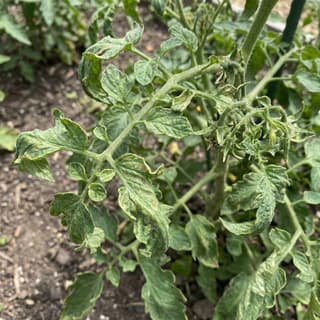
Leaf Curl Virus
HighLeaf curl virus is a serious viral disease caused by begomoviruses, transmitted by whiteflies (Bemisia tabaci). It affects various plants including tomatoes, peppers, and ornamentals, causing significant yield losses and plant decline. Once infected, plants cannot be cured and management focuses on prevention and vector control.
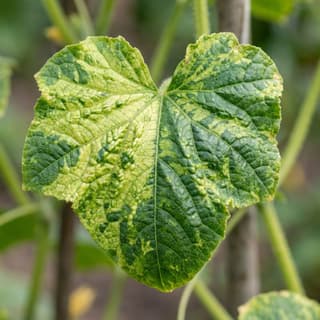
Mosaic Virus
HighMosaic virus is a group of plant viruses that cause mottled, patchy patterns on leaves and can affect a wide variety of plants. The virus creates characteristic yellow, white, and green mosaic patterns, often accompanied by stunted growth and deformed plant parts. This highly contagious disease spreads rapidly through insect vectors and contaminated tools.
Amaranth Mosaic Virus
MediumThis is a viral disease typically spread by aphids or contaminated tools. It causes yellow and green mottling on leaves, deformities, and stunted plant growth. There is no direct chemical treatment for the virus, making prevention and insect control essential.
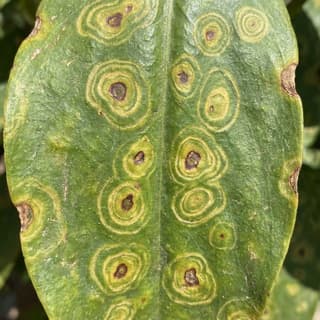
Ringspot Virus
HighRingspot virus is a viral disease affecting various plant species, causing distinctive circular or ring-shaped chlorotic patterns on leaves and fruits. Transmitted primarily by aphids, nematodes, or through contaminated tools, this virus cannot be cured and infected plants must be managed carefully to prevent spread. The virus weakens plants, reduces yield, and can spread rapidly in gardens if not properly contained.