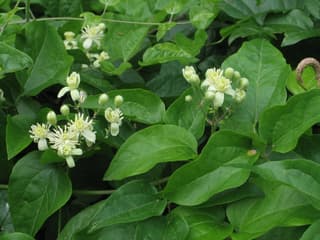
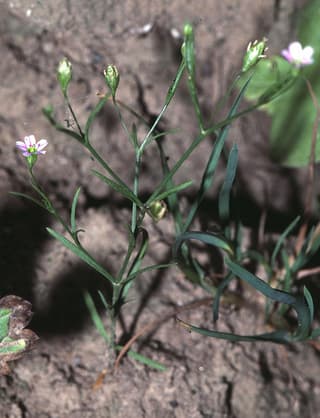
Stem Necrosis: How to Identify & Treat Fast
Stem necrosis is a condition characterized by the death of plant tissues on the stem, leading to browning, blackening, and eventual decay. It can weaken the plant, hinder nutrient and water transport, and in severe cases, lead to plant death. This condition can be caused by various pathogens, environmental stresses, or physical damage.
Slow
21 days
What is Stem Necrosis?
Stem Necrosis is a other condition with moderate severity that affects plants. Stem necrosis is a condition characterized by the death of plant tissues on the stem, leading to browning, blackening, and eventual decay. It can weaken the plant, hinder nutrient and water transport, and in severe cases, lead to plant death. This condition can be caused by various pathogens, enviro...
Stem Necrosis is a other disease with moderate severity that spreads at a slow rate. Recovery typically takes approximately 21 days with proper treatment. It affects 10 plant species in our database. This condition is contagious and can spread between plants.
Without isolation, nearby plants can become infected within days.
🔍 What Are the Symptoms of Stem Necrosis?
TLDR: Stem Necrosis presents 5 main symptoms. Early identification is crucial for effective treatment.
Main Symptoms
- ! Dark brown to black lesions or streaks on the stem.
- ! Wilting of leaves above the affected stem area.
- ! Stunted growth and reduced vigor.
- ! Cracking or oozing of sap from necrotic areas.
- ! Dieback of branches or entire plant parts.
Visual Signs
❓ What Causes Stem Necrosis in Plants?
- → Fungal pathogens (e.g., Botrytis, Phomopsis, Sclerotinia).
- → Bacterial infections.
- → Environmental stress (e.g., extreme temperatures, drought, waterlogging).
- → Physical injury to the stem (e.g., from pruning, insects, or mechanical damage).
💊 How to Treat Stem Necrosis?
TLDR: Treat Stem Necrosis with 10 days of quick treatment or 21 days of organic treatment. Full recovery takes approximately 21 days.
Quick Fixes
~10 days
Fungicide Application
Dilute the systemic fungicide according to the product label instructions. Apply as a drench to the soil around the base of the plant and as a foliar spray to the affected stem.
Repeat Application
If symptoms persist or worsen, a second application may be necessary after 7-10 days, depending on the fungicide and disease severity.
Materials needed:
Organic Treatment
~21 days
Pruning Infected Tissues
Carefully prune away all visibly infected stem sections. Ensure cuts are made into healthy tissue. Sterilize pruning tools after each cut.
Foliar and Stem Application
Mix 10ml of Neem Oil, 1 tablespoon of baking soda, and 1 liter of warm water. Shake well and spray thoroughly on the affected stem and surrounding healthy tissue. Ensure complete coverage.
Soil Drench
Prepare a separate solution of 1 liter of warm water with 1 tablespoon of baking soda. Gently drench the soil around the base of the plant to help suppress soil-borne pathogens.
Materials needed:
Expert Treatment
~30 days
Sanitation and Repotting
If the plant is in a pot, carefully remove it. Inspect the roots and stem base. If the substrate is heavily contaminated or the roots are compromised, repot the plant into a clean pot with fresh, sterile potting substrate. Discard the old substrate.
Initial Fungicide Treatment
Apply a contact fungicide as a protective barrier to the entire stem, focusing on the infected areas. Follow label instructions for dilution and application.
Systemic Fungicide Application
Apply a systemic fungicide as a soil drench to be absorbed by the roots and translocated throughout the plant. This provides internal protection against the pathogen.
Regular Monitoring and Pruning
Continuously monitor the plant for new symptoms. Remove any newly infected or dying tissues promptly to prevent further spread. Ensure optimal watering, light, and nutrient levels.
Step by Step
- 1
Remove and destroy any infected plant parts immediately.
- 2
Apply a suitable fungicide or natural remedy to the affected stem and surrounding areas.
- 3
Improve cultural practices to reduce stress on the plant and prevent recurrence.
🧪 Natural vs Chemical: Which Treatment Works for Stem Necrosis?
🌱 Natural Solutions
- ✓ Apply a solution of baking soda and water (1 tablespoon baking soda per gallon of water) as a foliar spray.
- ✓ Use a diluted solution of hydrogen peroxide (3%) and water (1:10 ratio) to drench the soil around the base of the plant.
- ✓ Improve soil health with compost and organic matter to enhance plant resilience.
💉 Chemical Solutions
- ✓ Apply a broad-spectrum fungicide labeled for stem diseases, following label instructions carefully.
Treatment Comparison
| Type | Estimated time | Steps | Difficulty | Best For |
|---|---|---|---|---|
| ⚡Quick | ~10 days | 2 | Medium | Urgent cases |
| 🌿Organic | ~21 days | 3 | Advanced | Indoor plants |
| 🔬Expert | ~30 days | 4 | Advanced | Severe infections |
🛡️ How to Prevent Stem Necrosis?
TLDR: Prevent Stem Necrosis with 5 essential care practices. Regular monitoring is key for early detection.
- ✓ Ensure good air circulation around plants.
- ✓ Avoid overwatering and ensure proper drainage.
- ✓ Sanitize pruning tools between uses.
- ✓ Inspect plants regularly for early signs of disease or damage.
- ✓ Maintain optimal growing conditions for the specific plant species.
🔗Related Diseases
Mosaic Virus
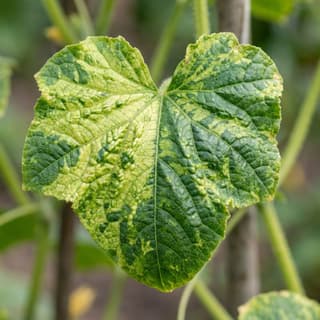
Potyviruses (family Potyviridae, genus Potyvirus) are plant viruses transmitted primarily by aphids during feeding and mechanically through sap. They cause mosaic patterns (light and dark patches) on leaves, leaf curling and distortion, vein clearing, leaf blistering, stunting, and in vegetables and fruits, streaks and discoloration. In potatoes (Potato virus Y), necrotic spots on leaves and ringspots on tubers may occur; in cucurbits (e.g., Zucchini yellow mosaic virus), distinct mosaic and deformations of leaves and fruit; in peppers, streaks and spots on fruit; in brassicas (Turnip mosaic virus), mosaic and stunted growth; and in plums, Sharka (plum pox) causing spots and fruit distortion. Infection can also be introduced via seeds, seedlings, tubers, scions, and host weeds. Unfortunately, infected plants cannot be cured.
Phytophthora Root Rot
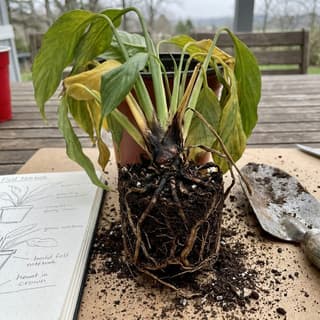
The Phytophthora genus consists of soil-borne oomycetes (water molds) that act as plant pathogens, primarily affecting trees and woody plants. It typically spreads through the root system, leading to systemic decline and eventual plant collapse.
Downy Mildew
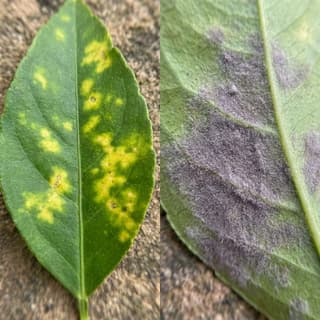
Pseudoperonospora is a genus of pathogens causing what is known as downy mildew. These are moisture-loving 'molds' from the kingdom Chromista that primarily attack leaves. Angular yellow spots appear between the veins on the upper side of the leaves, while a grayish-purple coating forms on the underside in humid conditions. The leaves turn brown, dry out, and the plant weakens. It most commonly affects cucumbers and other cucurbits (zucchini, pumpkins, melons) and, in our region, hops. It spreads via wind and rain and thrives during prolonged humidity, dew, cooler nights, and in stuffy greenhouses.
Annual Bluegrass (Poa annua)
MediumAnnual bluegrass is a common lawn weed that rapidly outcompetes desirable grass species. It is characterized by its lighter color, shallow root system, and prolific seed production even under low mowing heights. It is highly resilient and spreads quickly.