Oak Leaf Blister: Fungal Disease | Treatment Guide
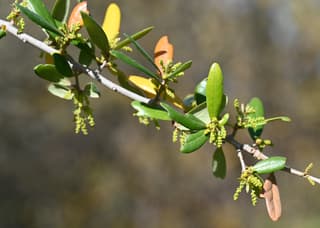
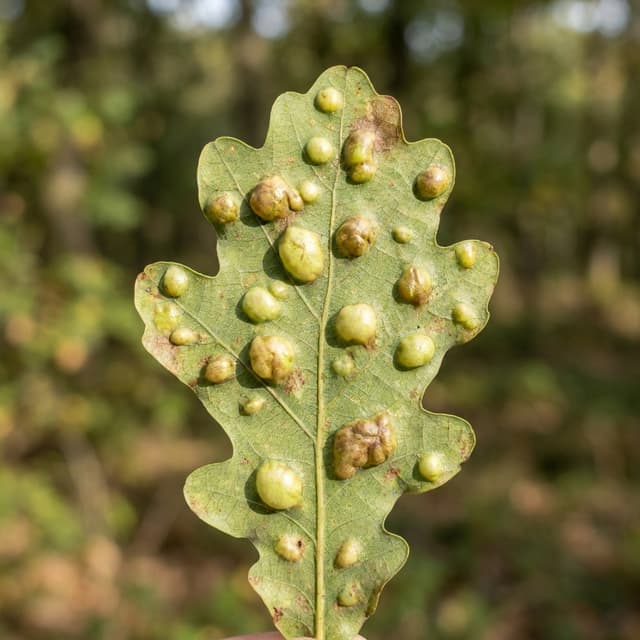
Taphrina caerulescens is a fungal pathogen that primarily infects the foliage of various oak species (Quercus spp.). The fungus becomes active during cool, moist conditions as buds begin to swell and open in the spring. Symptoms manifest as distinct, raised, blister-like lesions on the upper leaf surface, causing the foliage to appear puckered, curled, or distorted. These chlorotic spots typically begin as pale green or yellowish patches, eventually transitioning to reddish-brown or necrotic tones. While severe infections may lead to premature leaf drop, established trees generally recover and produce a second flush of healthy growth. This disease is prevalent across North America and Europe, spreading via microscopic spores dispersed by wind and rain splash, particularly during prolonged, damp spring seasons.
What is Oak Leaf Blister?
Oak Leaf Blister is a fungal condition with moderate severity that affects plants. Taphrina caerulescens is a fungal pathogen that primarily infects the foliage of various oak species (Quercus spp.). The fungus becomes active during cool, moist conditions as buds begin to swell and open in the spring. Symptoms manifest as distinct, raised, blister-like lesions on the upper leaf su...
Oak Leaf Blister is a fungal disease with moderate severity. It affects 2 plant species in our database. This condition is contagious and can spread between plants.
Unlike bacterial infections, Oak Leaf Blister spreads slowly but is harder to eradicate. Without treatment, affected leaves won't recover. Without isolation, nearby plants can become infected within days.
🧪 Natural vs Chemical: Which Treatment Works for Oak Leaf Blister?
🌱 Natural Solutions
- ✓ Perform light pruning in late winter to enhance canopy ventilation and remove any dead or diseased twigs.
- ✓ Rake and destroy fallen leaves to minimize the presence of fungal spores.
- ✓ Avoid overhead irrigation during the spring; utilize drip lines or soakers at the root zone.
- ✓ Maintain tree vigor by applying a 2 to 3 inch (5 to 7 cm) layer of organic mulch, ensuring it does not contact the trunk, and limit high-nitrogen fertilizers.
- ✓ Manually remove and dispose of heavily blistered leaves on smaller specimens early in the season; do not compost infected material unless using a high-heat system.
💉 Chemical Solutions
- ✓ Apply copper-based fungicides (such as copper hydroxide or copper octanoate) or sulfur-based products for preventive control, timed strictly before bud break in late winter or early spring.
- ✓ A single, well-timed application is often sufficient, though a follow-up treatment may be necessary during exceptionally wet or prolonged spring conditions.
🛡️ How to Prevent Oak Leaf Blister?
TLDR: Prevent Oak Leaf Blister with 6 essential care practices. Regular monitoring is key for early detection.
- ✓ Schedule preventive fungicide applications just prior to bud break when cool, wet spring weather is forecasted.
- ✓ Ensure adequate tree spacing and prune the canopy to improve airflow, facilitating rapid leaf drying.
- ✓ Sanitize the area by collecting and disposing of fallen leaf litter each autumn to reduce overwintering inoculum.
- ✓ Employ deep, infrequent irrigation at the base of the tree, avoiding any wetting of the foliage.
- ✓ Mitigate environmental stress through proper mulching and avoid excessive nitrogen fertilization in the spring.
- ✓ Select oak species or cultivars known for their resistance or lower susceptibility to leaf blister in your specific region.
🔗Related Diseases
Rust
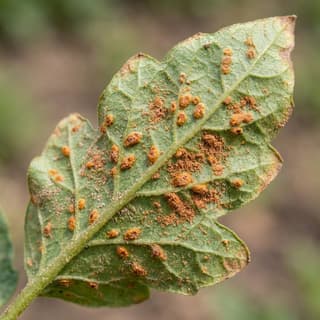
Rust fungi (Pucciniales) are fungal diseases that form rust-colored, usually orange to brown pustules with powdery spore dust on leaves, stems, or fruits. Typical symptoms include small spots that develop into cushions or rings; leaves turn yellow, curl, and drop prematurely. The fungi spread primarily in damp weather and dense foliage. Many ornamental and crop plants are affected, frequently including roses, mallows (hollyhocks), pears (pear rust), and currants. Some rust fungi require two host plants for their life cycle, such as pear and certain juniper species.
Cherry Witches' Broom
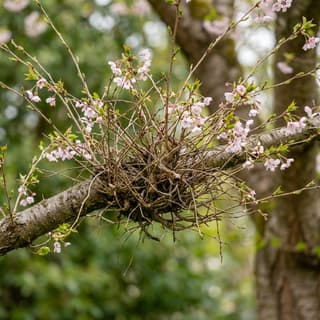
Taphrina wiesneri is a fungal disease affecting cherry trees (Prunus species, including sweet, sour, and ornamental varieties). The fungus overwinters in buds and bark, infecting young leaves and shoots during cool, wet spring weather. Infected leaves become thickened, puckered, and curled, often displaying reddish or yellow blotches and a fine whitish bloom on the surface. Severely affected leaves may drop prematurely. Small twigs can develop 'witches' brooms,' which are dense clusters of weak, distorted shoots.
Powdery Mildew
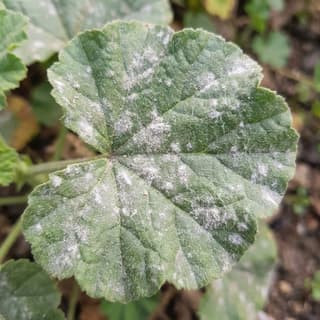
MediumPowdery mildew is a common fungal disease caused by various fungi species including Erysiphe, Podosphaera, Oïdium, and Leveillula. It affects over 10,000 plant species worldwide. The disease thrives in warm, dry climates with high humidity and appears as a distinctive white powdery coating on plant surfaces.

Root Rot
HighRoot rot is a serious fungal disease that affects the root system of plants, causing them to decay and die. It is primarily caused by overwatering, poor drainage, or soil-borne fungi such as Pythium, Phytophthora, Rhizoctonia, and Fusarium. The disease thrives in waterlogged conditions where roots are deprived of oxygen, making them susceptible to fungal infection.