Anthurium / Flamingo Flower (genus) with Thrips: Prevention & Cure
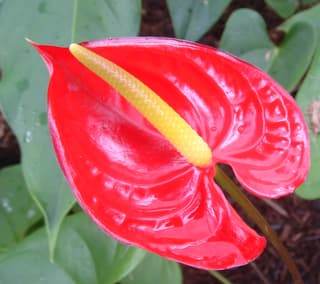
Anthurium
Thrips on Anthurium / Flamingo Flower (genus): What to Know?
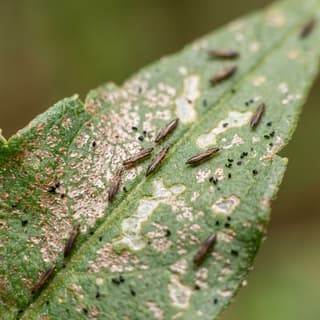
Thrips on Anthurium / Flamingo Flower (genus) (Anthurium) is a pest condition with moderate severity. Anthurium / Flamingo Flower (genus) has moderate susceptibility to this disease. Thrips are tiny cigar-shaped insects (1/25-inch long) that damage plants by sucking plant juices and scraping at fruits, flowers, and leaves. With over 6,000 species and rapid reproduction (lifecycle...
Anthurium / Flamingo Flower (genus) is a medium-care plant. Recovery from Thrips takes approximately 60 days with proper treatment. As an indoor plant, ensure good ventilation to aid recovery.
Unlike fungal diseases, Thrips on Anthurium / Flamingo Flower (genus) responds quickly to integrated pest management. Without precautions, chemical treatments for Thrips can be harmful to pets. Use organic methods for Anthurium / Flamingo Flower (genus) in pet-friendly homes.
🔍 What Does Thrips Look Like on Anthurium / Flamingo Flower (genus)?
- • Silvery, bronze, or bleached streaks on leaves
- • Black spots on foliage from thrips excrement
- • Stippled, splotchy appearance on leaves
- • Twisted or distorted new growth
- • Deformed buds and flowers
- • Scarred or scabby fruit
- • Yellowing and eventual death of affected leaves
❓ What Causes Thrips on Anthurium / Flamingo Flower (genus)?
- → Introduction of infested plants
- → Migration from outdoor plants or weeds
- → Stressed plants more susceptible to infestation
- → Poor plant health from inadequate irrigation or fertilization
- → Warm, dry conditions favor thrips reproduction
- → Lack of natural predators in indoor environments
💊 How to Treat Thrips on Anthurium / Flamingo Flower (genus)?
TLDR: Treat Thrips on Anthurium / Flamingo Flower (genus) with quick treatment (~30 days) or organic (~60 days). Anthurium / Flamingo Flower (genus) has moderate susceptibility to this disease.
Quick Fixes
Step 1
Apply pyrethrin-based contact spray for immediate knockdown of adults
Step 2
Follow with spinosad foliar spray on all plant surfaces within 24 hours
Step 3
Apply systemic insecticide drench (imidacloprid or dinotefuran) to soil for sustained control
Step 4
Isolate treated plants to prevent spread
Step 5
Reapply contact sprays every 3-5 days for heavy infestations
Organic Treatment
Step 1
Spray neem oil solution (2 tsp neem oil + 4 tsp liquid soap per gallon water) on all plant surfaces, especially leaf undersides
Step 2
Apply food-grade diatomaceous earth as thin coat on leaves and soil surface
Step 3
Release beneficial insects (minute pirate bugs, green lacewings, predatory mites)
Step 4
Remove and destroy heavily infested plant parts and spent blossoms
Step 5
Use sticky blue traps for monitoring and capturing adults
🛡️ How to Prevent Thrips on Anthurium / Flamingo Flower (genus)?
TLDR: Prevent Thrips on Anthurium / Flamingo Flower (genus) with 8 essential preventive care practices.
- ✓ Inspect all new plants carefully before purchase
- ✓ Quarantine new plants for 2 weeks before introducing to collection
- ✓ Maintain good plant health through regular watering and fertilization
- ✓ Remove weeds and plant debris where thrips hide
- ✓ Use yellow or blue sticky traps to monitor and catch thrips
- ✓ Plant repellent herbs like garlic, basil, and oregano nearby
- ✓ Introduce beneficial insects like predatory mites as preventative measure
- ✓ Ensure good air circulation around plants
🌱 How to Care for Anthurium / Flamingo Flower (genus) to Prevent Thrips?
💧 How to Water
Water every 5-7 days, letting the top 2-3 cm of soil dry between waterings. Use room-temperature water and ensure the pot drains freely.
☀️ Lighting
Bright indirect light is ideal. Direct sun scorches leaves; deep shade reduces flowering. An east- or north-facing window works well.
🪴 Ideal Soil
Use a well-draining mix: orchid bark, perlite, and potting soil. Ideal pH 5.5-6.5.