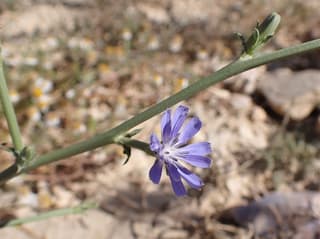
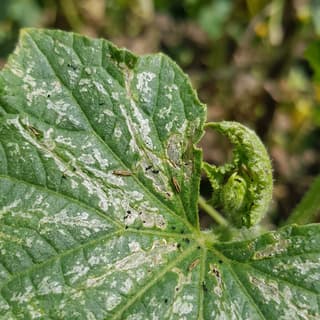
Endive with Thrips: Prevention & Cure
Cichorium endivia
Thrips on Endive: What to Know?
Thrips on Endive (Cichorium endivia) is a pest condition with moderate severity. Endive has moderate susceptibility to this disease. Thrips are tiny cigar-shaped insects (1/25-inch long) that damage plants by sucking plant juices and scraping at fruits, flowers, and leaves. With over 6,000 species and rapid reproduction (lifecycle...
Endive is a easy-care plant. Recovery from Thrips takes approximately 60 days with proper treatment.
Unlike fungal diseases, Thrips on Endive responds quickly to integrated pest management.
🔍 What Does Thrips Look Like on Endive?
- • Silvery, bronze, or bleached streaks on leaves
- • Black spots on foliage from thrips excrement
- • Stippled, splotchy appearance on leaves
- • Twisted or distorted new growth
- • Deformed buds and flowers
- • Scarred or scabby fruit
- • Yellowing and eventual death of affected leaves
❓ What Causes Thrips on Endive?
- → Introduction of infested plants
- → Migration from outdoor plants or weeds
- → Stressed plants more susceptible to infestation
- → Poor plant health from inadequate irrigation or fertilization
- → Warm, dry conditions favor thrips reproduction
- → Lack of natural predators in indoor environments
💊 How to Treat Thrips on Endive?
TLDR: Treat Thrips on Endive with quick treatment (~30 days) or organic (~60 days). Endive has moderate susceptibility to this disease.
Quick Fixes
Step 1
Apply pyrethrin-based contact spray for immediate knockdown of adults
Step 2
Follow with spinosad foliar spray on all plant surfaces within 24 hours
Step 3
Apply systemic insecticide drench (imidacloprid or dinotefuran) to soil for sustained control
Step 4
Isolate treated plants to prevent spread
Step 5
Reapply contact sprays every 3-5 days for heavy infestations
Organic Treatment
Step 1
Spray neem oil solution (2 tsp neem oil + 4 tsp liquid soap per gallon water) on all plant surfaces, especially leaf undersides
Step 2
Apply food-grade diatomaceous earth as thin coat on leaves and soil surface
Step 3
Release beneficial insects (minute pirate bugs, green lacewings, predatory mites)
Step 4
Remove and destroy heavily infested plant parts and spent blossoms
Step 5
Use sticky blue traps for monitoring and capturing adults
🛡️ How to Prevent Thrips on Endive?
TLDR: Prevent Thrips on Endive with 8 essential preventive care practices.
- ✓ Inspect all new plants carefully before purchase
- ✓ Quarantine new plants for 2 weeks before introducing to collection
- ✓ Maintain good plant health through regular watering and fertilization
- ✓ Remove weeds and plant debris where thrips hide
- ✓ Use yellow or blue sticky traps to monitor and catch thrips
- ✓ Plant repellent herbs like garlic, basil, and oregano nearby
- ✓ Introduce beneficial insects like predatory mites as preventative measure
- ✓ Ensure good air circulation around plants
🌱 How to Care for Endive to Prevent Thrips?
💧 How to Water
Water thoroughly every 2-3 days, soaking deeply into the root zone. Avoid overwatering to prevent root rot. Water in the morning so leaves can dry throughout the day. Apply water directly to the root zone to reduce leaf disease.
☀️ Lighting
Grow in full sun, at least 6 hours of direct light per day. In hot climates, provide light afternoon shade to prevent premature bolting during warmer periods.
🪴 Ideal Soil
Use loamy, well-drained soil rich in organic matter. Ideal pH is between 6.0 and 7.8. Incorporate compost before planting to ensure good fertility and adequate moisture retention.
Frequently asked questions
Can Thrips kill my Endive?
How long does Endive take to recover from Thrips?
Is Thrips contagious to other plants near Endive?
Sources & References
- Thrips - Biocontrol, Damage and Life Cycle
- How to Get Rid of Thrips on Plants: Indoors & Out
- Thrips Management Guidelines--UC IPM
- Thrips on Houseplants: 6 Top Steps to Treat (and prevent)
- Complete Guide on How to Get Rid of Thrips Effectively
- PlantVillage - Endive
- PFAF - Cichorium endivia
- CPT - Como plantar chicória