Tree Dahlia with Verticillium Wilt: Prevention & Cure
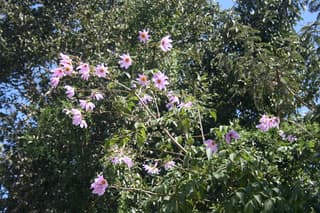
Dahlia imperialis
Verticillium Wilt on Tree Dahlia: What to Know?
Verticillium Wilt on Tree Dahlia (Dahlia imperialis) is a fungal condition with high severity. Tree Dahlia has moderate susceptibility to this disease. Verticillium wilt is a soil-borne fungal disease caused primarily by the fungi Verticillium dahliae and V. albo-atrum. These pathogens infect plant roots and grow within the vascular tissues, blocking...
Tree Dahlia is a medium-care plant. Recovery from Verticillium Wilt takes approximately 60 days with proper treatment.
Unlike bacterial infections, Verticillium Wilt on Tree Dahlia can be managed with organic fungicides. Without precautions, chemical treatments for Verticillium Wilt can be harmful to pets. Use organic methods for Tree Dahlia in pet-friendly homes.
🔍 What Does Verticillium Wilt Look Like on Tree Dahlia?
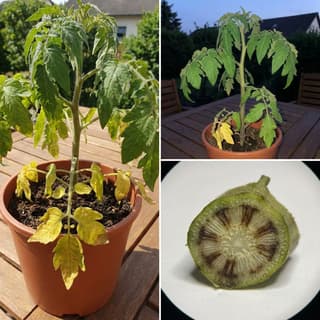
- • Sudden wilting of leaves and stems, especially in hot weather
- • Yellowing of leaves (chlorosis) starting from the margins
- • Asymmetric wilting pattern - only one side of plant affected
- • Brown or black streaks in vascular tissue visible when stem is cut
- • Leaf necrosis and premature leaf drop
- • Stunted growth and reduced vigor
- • Progressive branch dieback in woody plants
- • V-shaped yellowing pattern on leaves
❓ What Causes Verticillium Wilt on Tree Dahlia?
- → Infection by Verticillium dahliae or V. albo-atrum fungi present in soil
- → Pathogen entry through root wounds or natural openings
- → Contaminated soil transported by tools, boots, or water
- → Previously infected host plants in the same location
- → Soil temperatures between 70-80°F (21-27°C) favoring fungal development
- → Water stress making plants more susceptible
- → Spread through infected plant material
💊 How to Treat Verticillium Wilt on Tree Dahlia?
TLDR: Treat Verticillium Wilt on Tree Dahlia with quick treatment (~30 days) or organic (~60 days). Tree Dahlia has moderate susceptibility to this disease.
Quick Fixes
Quick Assessment
Determine infection severity. If more than 50% of plant is affected, consider immediate removal.
Emergency Pruning
Immediately remove all wilted and dead branches. Disinfect tools between cuts. Dispose of infected material in trash (do not compost).
Deep Watering
Provide deep irrigation to reduce water stress. Apply 2-3 inches of water slowly to penetrate entire root zone.
Foliar Fertilizer Application
Spray balanced foliar fertilizer to provide nutrients bypassing blocked vascular system.
Copper Fungicide (optional)
Apply copper-based fungicide to root zone according to label. Limited efficacy, but may slow progression.
Intensive Monitoring
Observe plant daily. If wilting continues progressing after 7 days, consider complete removal.
Organic Treatment
Diagnosis and Isolation
Identify affected plants by cutting stems to check for brown vascular streaks. Isolate infected plants to prevent spread.
Sanitary Pruning
Remove all dead and wilted branches. Disinfect pruners between each cut with 70% alcohol. Dispose of pruned material (do not compost).
Soil Improvement
Apply 2-4 inches of mature organic compost around the plant. This increases beneficial microorganisms that compete with the pathogen.
Biofungicide Application
Water with Trichoderma spp. solution in root zone weekly for 4 weeks. Use according to manufacturer instructions.
Proper Irrigation
Provide 1 inch of water per week. Avoid both water stress and waterlogging. Use drip irrigation if possible.
Mulching
Apply 3-4 inch layer of organic mulch around plant, keeping distance from stem. This regulates soil temperature and moisture.
Monitoring
Inspect plants weekly for new symptoms. If wilting progresses, consider removing plant completely.
🛡️ How to Prevent Verticillium Wilt on Tree Dahlia?
TLDR: Prevent Verticillium Wilt on Tree Dahlia with 10 essential preventive care practices.
- ✓ Plant resistant or immune varieties to Verticillium wilt
- ✓ Practice crop rotation for at least 4-5 years with non-susceptible plants
- ✓ Avoid planting susceptible species in areas with disease history
- ✓ Solarize soil by covering with clear plastic for 3-5 weeks in summer
- ✓ Maintain healthy plants with proper irrigation and nutrition
- ✓ Disinfect pruning tools between cuts with 70% alcohol or bleach solution
- ✓ Remove and destroy severely infected plants with as much root system as possible
- ✓ Control weeds that may serve as asymptomatic hosts
- ✓ Avoid spreading contaminated soil to other garden areas
- ✓ Improve soil drainage to reduce root stress
🌱 How to Care for Tree Dahlia to Prevent Verticillium Wilt?
💧 How to Water
Water every 3-5 days during spring and summer, keeping soil consistently moist but never waterlogged. Drastically reduce watering after autumn flowering. Always water at the base — avoid wetting foliage to prevent fungal disease.
☀️ Lighting
Plant in full sun with at least 6 hours of direct sunlight daily. More sun equals more vigorous flowering. Does not tolerate shade.
🪴 Ideal Soil
Use fertile soil rich in organic matter with excellent drainage. Ideal mix: garden loam + compost + perlite. pH 6.0–7.5.
Frequently asked questions
Can Verticillium Wilt kill my Tree Dahlia?
How long does Tree Dahlia take to recover from Verticillium Wilt?
Is Verticillium Wilt contagious to other plants near Tree Dahlia?
Sources & References
- Verticillium Wilt: Prevention & Care | RHS Advice
- Verticillium wilt - Wikipedia
- Verticillium Wilt: Causes, Symptoms, And Control Methods
- Identify and Control Verticillium Wilt
- Verticillium wilt | The Morton Arboretum
- Consultaplantas - Dahlia imperialis
- Jardineriaon - Dahlia imperialis Complete Care
- Viriar - Dahlia imperialis Bell Tree Dahlia