Silphium with White Mold? Rare but Treatable
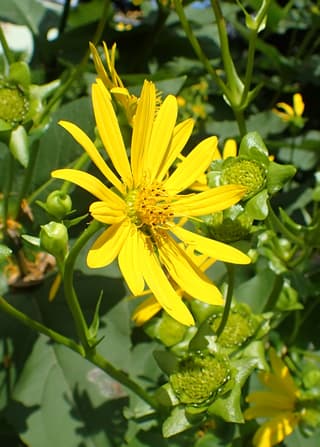
Silphium
White Mold on Silphium: What to Know?
White Mold on Silphium (Silphium) is a fungal condition with high severity. Silphium has low susceptibility to this disease. White mold (Sclerotinia sclerotiorum) is a devastating fungal disease affecting over 400 plant species worldwide. The fungus produces black, seed-like structures (sclerotia) that can survive in soil f...
Silphium is a easy-care plant. Recovery from White Mold takes approximately 21 days with proper treatment.
Unlike most plants, Silphium has natural resistance to White Mold. Best treated with preventive measures rather than reactive treatment. Unlike bacterial infections, White Mold on Silphium can be managed with organic fungicides.
🔍 What Does White Mold Look Like on Silphium?
- • Sudden wilting and yellowing of leaves
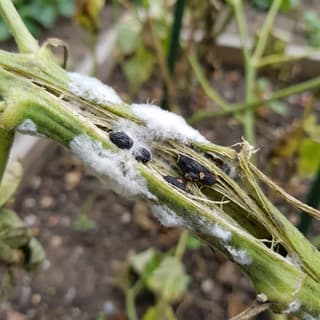
- • Fluffy white mold growth on stems and leaves
- • Water-soaked lesions expanding irregularly
- • Soft, watery rot near soil level
- • Black sclerotia (0.5-1cm) in white fungal mass
- • Grayish-green appearance before wilting
- • Infected stem sections become brittle and tan-colored
❓ What Causes White Mold on Silphium?
- → Fungus Sclerotinia sclerotiorum surviving in soil via sclerotia
- → Prolonged cool, moist conditions (50-68°F/10-20°C)
- → High humidity during flowering period
- → Poor air circulation from dense planting
- → Wind-borne spores from germinated sclerotia
- → Direct contact with contaminated soil
- → Fungus survival on plant debris for 5+ years
💊 How to Treat White Mold on Silphium?
TLDR: Treat White Mold on Silphium with quick treatment (~11 days) or organic (~21 days). Silphium has low susceptibility to this disease.
Quick Fixes
Immediate removal
Remove and completely destroy all infected plants. Burn or bag and dispose in trash.
Apply fungicide
Apply systemic fungicide (SDHI or DMI) to neighboring healthy plants preventively.
Reduce moisture
Stop all overhead watering. Use drip only. Improve ventilation/drainage.
Isolate area
Create buffer zone by removing plants within 20-inch radius of infection.
Intensive monitoring
Inspect remaining plants 2x daily for 14 days.
Organic Treatment
Remove infected plants
Carefully remove entire plant without spreading sclerotia. Burn or bury deeply (24+ inches). Do not compost.
Apply biocontrol
Apply Coniothyrium minitans to soil per instructions. This fungus parasitizes Sclerotinia sclerotia.
Improve circulation
Thin adjacent plants to improve airflow. Space plants 12-18 inches apart.
Adjust irrigation
Switch to drip irrigation. Water early morning. Avoid wetting foliage.
Soil solarization
If possible, cover soil with clear plastic for 4-6 weeks in summer (kills sclerotia).
Monitoring
Inspect plants daily for 3 weeks. Remove any new infection immediately.
🛡️ How to Prevent White Mold on Silphium?
TLDR: Prevent White Mold on Silphium with 8 essential preventive care practices.
- ✓ Plant with proper spacing to promote air circulation
- ✓ Avoid excessive irrigation during and after flowering
- ✓ Use drip irrigation instead of overhead sprinklers
- ✓ Remove and destroy infected plants immediately
- ✓ Implement crop rotation with 2-3 years of non-host crops (cereals, corn)
- ✓ Water early in day so foliage dries before nightfall
- ✓ Clean up all crop debris after harvest
- ✓ Avoid planting susceptible species in areas with disease history
🌱 How to Care for Silphium to Prevent White Mold?
💧 How to Water
Water newly planted plants regularly during the first season, approximately once a week. Established plants (from the 2nd year) are drought-tolerant and only require watering during periods of extreme drought. Avoid waterlogged conditions – well-draining soil is crucial. Overwatering is a greater risk than underwatering for this robust prairie plant.
☀️ Lighting
Silphium requires full sun – at least 6–8 hours of direct sunlight daily. The more sun, the stronger and more upright the growth. In partial shade, plants will grow but become more leggy with fewer flowers. Full sun also prevents stems from bending over on their own.
🪴 Ideal Soil
Thrives in most soil types, including clay, loamy, and sandy soils, as long as there is good drainage. Prefers deep, nutrient-rich, and slightly moist soil (pH 5.5–7.5). Avoid very nitrogen-rich soil, as this promotes foliage growth at the expense of flowers. The Cup Plant (S. perfoliatum) tolerates heavier, moister soil than other species.
Frequently asked questions
Can White Mold kill my Silphium?
How long does Silphium take to recover from White Mold?
Is White Mold contagious to other plants near Silphium?
Sources & References
- Sclerotinia disease: Symptoms & Control | RHS Advice
- White mold in the garden | UMN Extension
- Sclerotinia sclerotiorum - Wikipedia
- White mold (Sclerotinia) | APS
- White Mold – Wisconsin Horticulture
- Cup Plant Grow and Care Guide – GrowIt BuildIT
- Silphium perfoliatum – Practical Plants
- Silphium Plant Growing & Care Guide – GardenersHQ
- Cup Plant Care Guide – Plantiary
- Silphium (genus) – Wikipedia