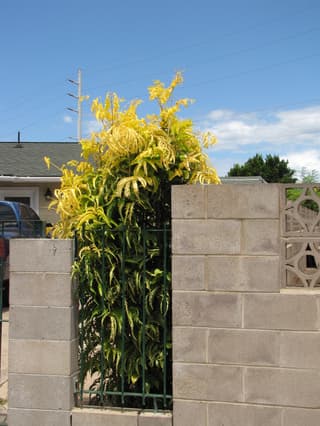
Fernleaf Aralia with Whiteflies? Rare but Treatable
Polyscias filicifolia
Whiteflies on Fernleaf Aralia: What to Know?
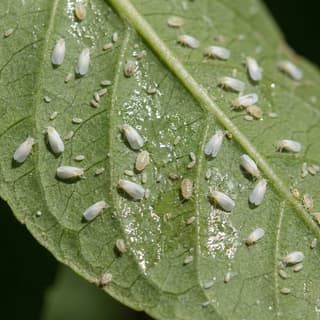
Whiteflies on Fernleaf Aralia (Polyscias filicifolia) is a pest condition with high severity. Fernleaf Aralia has low susceptibility to this disease. Whiteflies are small, soft-bodied, winged insects closely related to aphids and mealybugs. They are moth-like in appearance, about 1/16 inch long, triangular in shape, and gray-white in color. These s...
Fernleaf Aralia is a medium-care plant. Recovery from Whiteflies takes approximately 21 days with proper treatment. As an indoor plant, ensure good ventilation to aid recovery.
Unlike most plants, Fernleaf Aralia has natural resistance to Whiteflies. Best treated with preventive measures rather than reactive treatment. Unlike fungal diseases, Whiteflies on Fernleaf Aralia responds quickly to integrated pest management. Without precautions, chemical treatments for Whiteflies can be harmful to pets. Use organic methods for Fernleaf Aralia in pet-friendly homes.
🔍 What Does Whiteflies Look Like on Fernleaf Aralia?
- • Small white moth-like insects clustering on leaf undersides
- • Clouds of white insects fly up when plant is disturbed
- • Yellowing, wilting, and stunted growth of leaves
- • Sticky honeydew coating on leaves, stems, and fruit
- • Black sooty mold growing on honeydew deposits
- • Leaf drop in severe infestations
- • Reduced photosynthesis due to mold coverage
- • Transmission of plant viruses (tomato yellow leaf curl, cucumber mosaic)
❓ What Causes Whiteflies on Fernleaf Aralia?
- → Adult whiteflies laying eggs on leaf undersides
- → Nymphs feeding on plant sap
- → Introduction of infested plants from nurseries
- → Warm greenhouse conditions (ideal for reproduction)
- → Poor air circulation
- → Overcrowded plants
- → Year-round indoor growing environments
- → Lack of natural predators
💊 How to Treat Whiteflies on Fernleaf Aralia?
TLDR: Treat Whiteflies on Fernleaf Aralia with quick treatment (~11 days) or organic (~21 days). Fernleaf Aralia has low susceptibility to this disease.
Quick Fixes
Step 1
Spray water forcefully on plants to knock off whiteflies immediately
Step 2
Apply bifenthrin-based foliar insecticide (e.g., Talstar P) to all leaf surfaces
Step 3
For edible plants, use insecticidal soap or neem oil spray instead
Step 4
Apply systemic insecticide with imidacloprid for long-term control
Step 5
Install yellow sticky traps to monitor population reduction
Step 6
Repeat foliar treatment after 7-10 days if needed
Organic Treatment
Step 1
Spray plants with strong water jet to dislodge whiteflies, focusing on leaf undersides
Step 2
Apply neem oil solution (1-2 tbsp per quart water with mild soap) every 5-7 days
Step 3
Use insecticidal soap spray covering all leaf surfaces, repeat every 3-4 days
Step 4
Release beneficial insects: Encarsia formosa wasps, ladybugs, or lacewing larvae
Step 5
Install yellow sticky traps around affected plants to capture adults
Step 6
Remove heavily infested leaves and dispose in sealed plastic bags
🛡️ How to Prevent Whiteflies on Fernleaf Aralia?
TLDR: Prevent Whiteflies on Fernleaf Aralia with 10 essential preventive care practices.
- ✓ Inspect all new plants carefully before bringing home from nursery
- ✓ Quarantine new plants for 2-3 weeks before adding to collection
- ✓ Use reflective mulch around susceptible plants (confuses whiteflies)
- ✓ Install insect-proof screens on greenhouse vents and doors
- ✓ Maintain good air circulation between plants
- ✓ Monitor plants weekly for early detection
- ✓ Remove heavily infested leaves immediately
- ✓ Practice crop rotation in gardens
- ✓ Avoid over-fertilizing (lush growth attracts whiteflies)
- ✓ Keep growing area clean and debris-free
🌱 How to Care for Fernleaf Aralia to Prevent Whiteflies?
💧 How to Water
Water when the top inch of soil feels dry to the touch, approximately every 5-7 days in summer and every 10 days in winter. Ensure thorough drainage to prevent root rot. Never let the plant sit in standing water.
☀️ Lighting
Place in bright indirect light near a window with a sheer curtain. Avoid direct sunlight which can scorch the delicate leaves. Tolerates partial shade but growth will slow significantly.
🪴 Ideal Soil
Use a well-draining potting mix of equal parts peat moss, perlite, and vermiculite. Ideal pH is 5.5-7.0. Always use pots with adequate drainage holes.