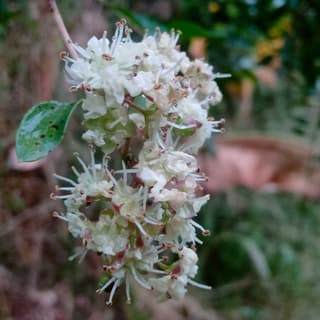
Henna with Xanthomonas: Prevention & Cure
Lawsonia inermis
Xanthomonas on Henna: What to Know?
Xanthomonas on Henna (Lawsonia inermis) is a bacterial condition with moderate severity. Henna has moderate susceptibility to this disease. Xanthomonas is a group of bacteria that causes leaf spots and blights on many garden and indoor plants. It spreads through splashing water, wet tools, hands, and infected seed or cuttings. Early signs...
Henna is a easy-care plant. As an indoor plant, ensure good ventilation to aid recovery.
🛡️ How to Prevent Xanthomonas on Henna?
TLDR: Prevent Xanthomonas on Henna with 8 essential preventive care practices.
- ✓ Keep leaves dry by watering early in the day at soil level and increasing spacing for airflow.
- ✓ Practice hygiene by sanitizing tools and pots and washing hands and gloves between plants.
- ✓ Avoid working with plants when they are wet.
- ✓ Buy healthy certified seed and disease free transplants and quarantine new houseplants for two to three weeks.
- ✓ Use mulch to limit splash and maintain even soil moisture.
- ✓ Rotate vegetable crops by family and remove crop residues after harvest.
- ✓ Manage leaf chewing insects that create entry wounds.
- ✓ Maintain balanced nutrition and avoid excess nitrogen that encourages soft disease prone growth.
🌱 How to Care for Henna to Prevent Xanthomonas?
💧 How to Water
Water every 10–14 days in spring and summer, allowing the substrate to dry out almost completely between waterings. In winter, reduce the frequency to once every 3–4 weeks. Henna is very drought-tolerant once established; overwatering can cause root rot. Always ensure the pot or soil has good drainage.
☀️ Lighting
It needs full sun, at least 6–8 hours of direct sunlight daily. Indoors, place it next to the brightest south- or west-oriented window. A lack of direct light causes leggy growth, small leaves, and low production of henna pigment. It does not tolerate shade.
🪴 Ideal Soil
Use a substrate with excellent drainage: mix garden soil with coarse sand or perlite (1:1 ratio). It tolerates sandy, loamy, and even clay soils as long as they drain well. The optimal pH range is 5.0 to 7.0. Avoid compact soils or those with high moisture retention.