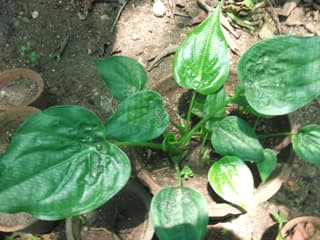
Chinese Taro with Xanthomonas: Prevention & Cure
Alocasia cucullata
Xanthomonas on Chinese Taro: What to Know?
Xanthomonas on Chinese Taro (Alocasia cucullata) is a bacterial condition with moderate severity. Chinese Taro has moderate susceptibility to this disease. Xanthomonas is a group of bacteria that causes leaf spots and blights on many garden and indoor plants. It spreads through splashing water, wet tools, hands, and infected seed or cuttings. Early signs...
Chinese Taro is a medium-care plant. As an indoor plant, ensure good ventilation to aid recovery.
🛡️ How to Prevent Xanthomonas on Chinese Taro?
TLDR: Prevent Xanthomonas on Chinese Taro with 8 essential preventive care practices.
- ✓ Keep leaves dry by watering early in the day at soil level and increasing spacing for airflow.
- ✓ Practice hygiene by sanitizing tools and pots and washing hands and gloves between plants.
- ✓ Avoid working with plants when they are wet.
- ✓ Buy healthy certified seed and disease free transplants and quarantine new houseplants for two to three weeks.
- ✓ Use mulch to limit splash and maintain even soil moisture.
- ✓ Rotate vegetable crops by family and remove crop residues after harvest.
- ✓ Manage leaf chewing insects that create entry wounds.
- ✓ Maintain balanced nutrition and avoid excess nitrogen that encourages soft disease prone growth.
🌱 How to Care for Chinese Taro to Prevent Xanthomonas?
💧 How to Water
Water every 7 days. Allow the top 2–3 cm (about an inch) of soil to dry out before watering again. Avoid waterlogging — soggy soil quickly causes root rot. In winter, reduce watering frequency slightly as growth slows.
☀️ Lighting
Place in bright, indirect light — ideally within 1–2 metres of a bright window. Avoid direct sun, which scorches the large leaves. It can tolerate medium light but growth will slow. A north or east-facing window is ideal indoors.
🪴 Ideal Soil
Use a well-draining mix: 60% quality potting soil + 30% perlite + 10% orchid bark. This ensures moisture retention without waterlogging. Soil pH should be 5.5–6.5 (slightly acidic). Avoid heavy clay-based soils that stay wet.