
SOS Persian Cyclamen: Serious Problems & How to Fix Now
Cyclamen persicum
Is your Persian Cyclamen in trouble? Don't panic! We've gathered the most serious problems that can affect your plant and how to treat them quickly. The sooner you act, the better the chances of recovery.
🚨 Serious Problems (6)
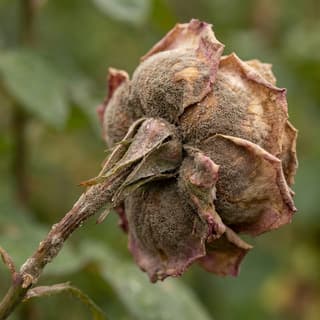
Gray Mold (Botrytis Blight)
Gray mold, caused by the fungus Botrytis cinerea, is one of the most common fungal diseases in plants. It affects over 200 plant species, including ornamentals, vegetables, fruits, and houseplants. The disease thrives in cool, humid conditions with poor air circulation, causing grayish spots and soft rot on infected tissues.
Symptoms:
Grayish colored soft, mushy spots on leaves, stems, and flowers • Gray fuzzy coating of fungal spores, especially in high humidity • Brown to gray circular spots on leaves and petals
⚡ Quick Fixes:
Remove and dispose of all visibly infected parts: Remove and dispose of all visibly infected parts...
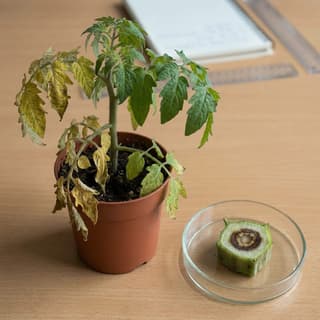
Fusarium Wilt
Fusarium wilt is a serious fungal disease caused by the soil-borne fungus Fusarium oxysporum. The fungus invades roots and blocks the water-conducting vessels (xylem) of the plant, causing progressive wilting and eventual death. Host-specific forms of the pathogen exist that attack different plant species.
Symptoms:
Wilting during the hottest part of the day with recovery at night (early stage) • Asymmetrical yellowing of leaves (one side of plant or leaflets) • Progressive upward wilting from the stem base
⚡ Quick Fixes:
Remove Plant: Immediately remove entire infected plant with roots. Dispose in sealed trash (DO NOT compost)....
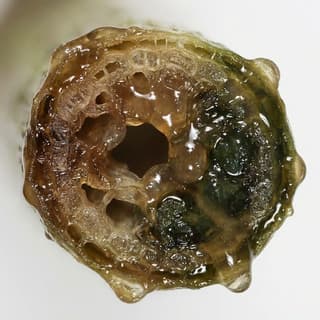
Bacterial Soft Rot
Bacterial soft rot is a destructive plant disease caused primarily by bacteria from the genera Pectobacterium (formerly Erwinia) and Dickeya. These bacteria produce enzymes that break down plant cell walls, causing rapid and foul-smelling tissue decomposition. It mainly affects succulent tissues such as tubers, fruits, stems, and bulbs, being especially problematic in warm and humid conditions.
Symptoms:
Water-soaked spots that progressively enlarge • Affected tissues become soft, wet, and slimy • Flesh discoloration in cream to dark brown tones
⚡ Quick Fixes:
Immediate Action - Isolation: NOW: Remove plant away from other plants immediately. Every minute counts....
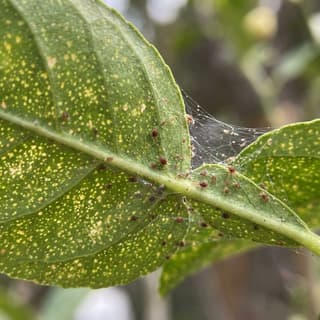
Spider Mites
Spider mites are tiny arachnids (less than 1/20 inch long) related to spiders and ticks that feed on plant sap. They thrive in hot, dry conditions and can cause significant damage to ornamental and vegetable plants. During severe infestations, crop losses can reach 14% or higher as these pests disrupt vital plant processes including photosynthesis, carbon dioxide absorption, and transpiration.
Symptoms:
Pale discoloration spots on leaves • Fine silk webbing covering leaves and stems • Tiny yellow or white speckles on leaf surface (stippling)
⚡ Quick Fixes:
Step 1: Immediately spray all affected plants with rubbing alcohol (70% isopropyl) diluted 1:1 with water...

Root Rot
Root rot is a serious fungal disease that affects the root system of plants, causing them to decay and die. It is primarily caused by overwatering, poor drainage, or soil-borne fungi such as Pythium, Phytophthora, Rhizoctonia, and Fusarium. The disease thrives in waterlogged conditions where roots are deprived of oxygen, making them susceptible to fungal infection.
Symptoms:
Wilting leaves despite moist soil • Yellowing or browning of leaves • Stunted growth and poor vigor
⚡ Quick Fixes:
Emergency unpotting: Remove plant immediately from wet soil. Speed is critical....
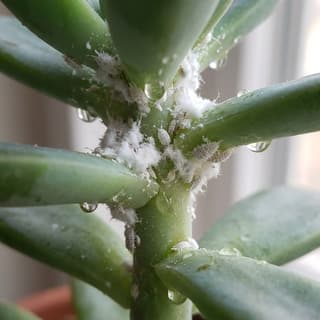
Mealybugs
Mealybugs are small, soft-bodied insects covered with a white, waxy, cottony material. They are common pests of houseplants and outdoor plants in mild climates. These sap-sucking insects feed on plant tissue, causing damage, stunted growth, and can lead to plant death if left untreated. They produce sticky honeydew which attracts sooty mold.
Symptoms:
White cottony masses on leaves, stems, or fruit • Small pink or white soft-bodied insects (1/20 to 1/5 inch) • Sticky honeydew secretions on plant surfaces
⚡ Quick Fixes:
Step 1: Immediately spray visible mealybugs with 70% isopropyl alcohol for instant kill on contact...