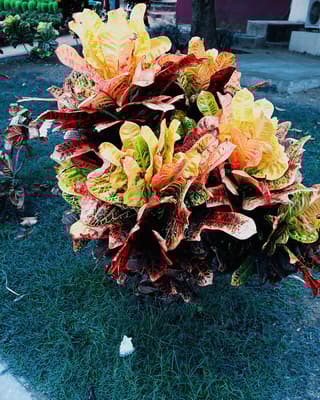
SOS Croton: Serious Problems & How to Fix Now
Croton variegatum
Is your Croton in trouble? Don't panic! We've gathered the most serious problems that can affect your plant and how to treat them quickly. The sooner you act, the better the chances of recovery.
🚨 Serious Problems (6)
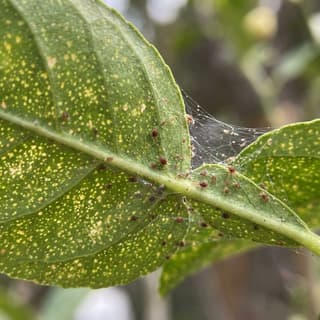
Spider Mites
Spider mites are tiny arachnids (less than 1/20 inch long) related to spiders and ticks that feed on plant sap. They thrive in hot, dry conditions and can cause significant damage to ornamental and vegetable plants. During severe infestations, crop losses can reach 14% or higher as these pests disrupt vital plant processes including photosynthesis, carbon dioxide absorption, and transpiration.
Symptoms:
Pale discoloration spots on leaves • Fine silk webbing covering leaves and stems • Tiny yellow or white speckles on leaf surface (stippling)
⚡ Quick Fixes:
Step 1: Immediately spray all affected plants with rubbing alcohol (70% isopropyl) diluted 1:1 with water...
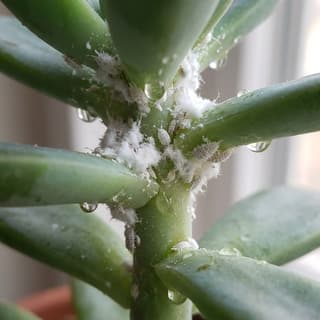
Mealybugs
Mealybugs are small, soft-bodied insects covered with a white, waxy, cottony material. They are common pests of houseplants and outdoor plants in mild climates. These sap-sucking insects feed on plant tissue, causing damage, stunted growth, and can lead to plant death if left untreated. They produce sticky honeydew which attracts sooty mold.
Symptoms:
White cottony masses on leaves, stems, or fruit • Small pink or white soft-bodied insects (1/20 to 1/5 inch) • Sticky honeydew secretions on plant surfaces
⚡ Quick Fixes:
Step 1: Immediately spray visible mealybugs with 70% isopropyl alcohol for instant kill on contact...
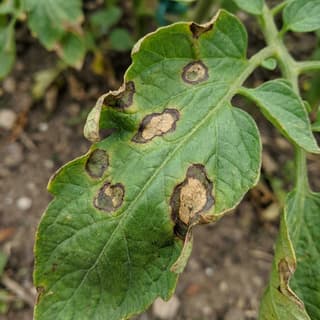
Anthracnose
Anthracnose is a fungal disease caused by fungi in the genus Colletotrichum that affects many plants, including vegetables, fruits, and trees. The disease thrives in cool, wet conditions, causing dark, sunken lesions on leaves, stems, flowers, and fruits.
Symptoms:
Small irregular yellow or brown spots on leaves • Dark sunken lesions on leaves, stems, flowers and fruits • Water-soaked lesions that darken as they age
⚡ Quick Fixes:
Remove and discard all visibly infected parts: Remove and discard all visibly infected parts...
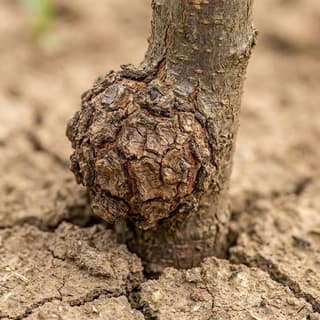
Crown Gall
Crown gall is a bacterial disease caused by Agrobacterium tumefaciens that affects over 140 species of plants. The bacteria insert DNA into plant cells, causing them to divide uncontrollably and form large tumor-like growths (galls) primarily on roots, stems, and at the soil line. These galls restrict water and nutrient flow, severely impacting plant health and potentially killing the plant.
Symptoms:
Large, rough, woody tumor-like growths (galls) at the base of stems • White masses of callus tissue on roots and crown • Galls appearing at or just below soil line
⚡ Quick Fixes:
Step 1: Identify and mark all visible galls on crown and roots...
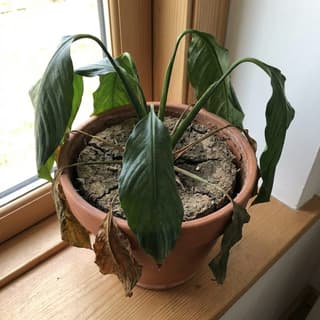
Underwatering
Underwatering or drought stress is a physiological disorder that occurs when the amount of water a plant loses through transpiration exceeds the amount its roots can absorb from the soil. This leads to cellular dehydration and various visible symptoms that can compromise plant health and productivity.
Symptoms:
Wilting leaves that feel dry and crispy to touch • Brown, crispy edges on leaves (marginal scorch) • Leaf curling or rolling inward
⚡ Quick Fixes:
Step 1: Water plant immediately with generous amount until soil is moist...

Root Rot
Root rot is a serious fungal disease that affects the root system of plants, causing them to decay and die. It is primarily caused by overwatering, poor drainage, or soil-borne fungi such as Pythium, Phytophthora, Rhizoctonia, and Fusarium. The disease thrives in waterlogged conditions where roots are deprived of oxygen, making them susceptible to fungal infection.
Symptoms:
Wilting leaves despite moist soil • Yellowing or browning of leaves • Stunted growth and poor vigor
⚡ Quick Fixes:
Emergency unpotting: Remove plant immediately from wet soil. Speed is critical....