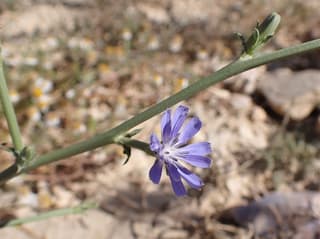
Endive with Slow Growth: Pet-Safe Treatment
Cichorium endivia
Endive is a plant that needs bright light and frequent watering. When showing slow growth, it may indicate issues related to its environment or care.
Is your Endive showing slow growth? Discover 3 possible causes and how to treat them.
🔍 Possible Causes (3)
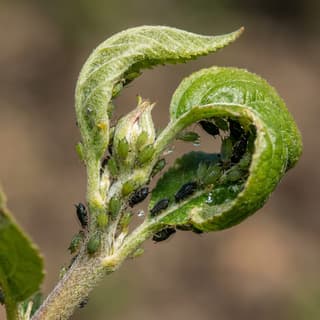
Aphids
Aphids are small, soft-bodied, pear-shaped insects (1/16 to 1/8 inch long) that feed by sucking nutrient-rich sap from plants. They reproduce rapidly and can quickly weaken plants, causing distorted growth and transmitting plant viruses. Aphids come in various colors including green, black, red, yellow, brown, and gray. They secrete honeydew, a sticky substance that attracts ants and encourages sooty mold growth.
✓ Related symptoms:
- • Stunted or deformed new growth
⚡ Quick Fixes:
Step 1
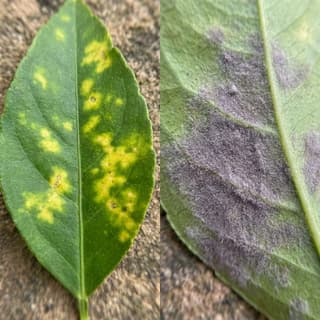
Downy Mildew
Downy mildew is a fungal-like disease caused by oomycetes (water molds) that thrives in cool, wet conditions. It affects a wide range of plants, causing yellowing leaves with fuzzy white-gray growth underneath, leading to defoliation and reduced yields if left untreated.
✓ Related symptoms:
- • Stunted growth in severe cases
⚡ Quick Fixes:
Remove and destroy all infected plant parts. For severe infections, remove entire plant.
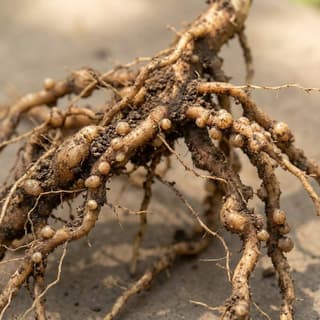
Root-Knot Nematodes
Root-knot nematodes (Meloidogyne species) are microscopic roundworms that parasitize plant roots, causing characteristic galls or knots. These soil-borne pests are among the most economically damaging plant pathogens worldwide, affecting a wide range of ornamental and edible plants. The nematodes inject enzymes into root cells, causing abnormal swelling and disrupting water and nutrient uptake.
✓ Related symptoms:
- • Stunted growth and reduced vigor
⚡ Quick Fixes:
Step 1