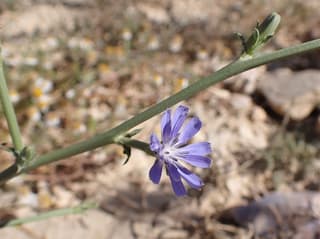
Endive with Falling Leaves: Pet-Safe Treatment
Cichorium endivia
Endive is a plant that needs bright light and frequent watering. When showing falling leaves, it may indicate issues related to its environment or care.
Is your Endive showing falling leaves? Discover 3 possible causes and how to treat them.
🔍 Possible Causes (3)
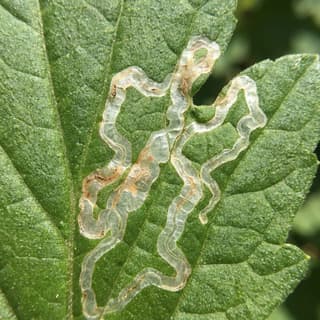
Leafminers
Leafminers are the larvae of various insects including flies, moths, sawflies, and beetles that tunnel between leaf surfaces, creating distinctive serpentine trails or blotchy patches. While primarily cosmetic, severe infestations can weaken plants by reducing photosynthesis capacity and making them susceptible to secondary infections.
✓ Related symptoms:
- • Leaf yellowing and premature drop
⚡ Quick Fixes:
Step 1
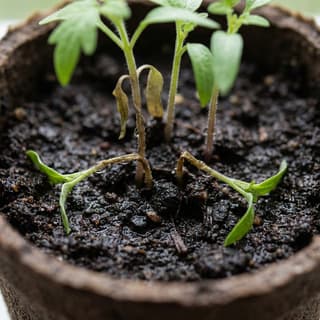
Damping Off
Damping off is a soil-borne fungal disease that affects seeds and young seedlings, causing rotting of stem and root tissues at and below the soil line. It is caused by several fungi including Pythium, Rhizoctonia, Fusarium, and Phytophthora. The disease thrives in cold, wet conditions with poor air circulation.
✓ Related symptoms:
- • Seedlings collapse and fall over at stem base
⚡ Quick Fixes:
Immediate Discard
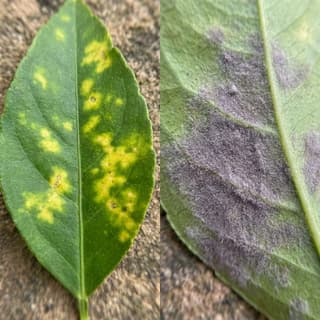
Downy Mildew
Downy mildew is a fungal-like disease caused by oomycetes (water molds) that thrives in cool, wet conditions. It affects a wide range of plants, causing yellowing leaves with fuzzy white-gray growth underneath, leading to defoliation and reduced yields if left untreated.
✓ Related symptoms:
- • Premature leaf drop
⚡ Quick Fixes:
Remove and destroy all infected plant parts. For severe infections, remove entire plant.