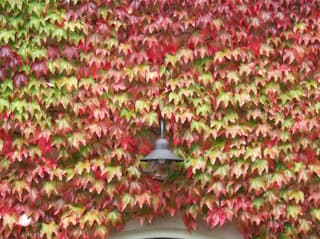
Boston Ivy with Root Rot: Pet-Safe Treatment
Parthenocissus tricuspidata
Boston Ivy is a plant that needs bright light and infrequent watering. When showing root rot, it may indicate issues related to its environment or care.
Is your Boston Ivy showing root rot? Discover 2 possible causes and how to treat them.
🔍 Possible Causes (2)
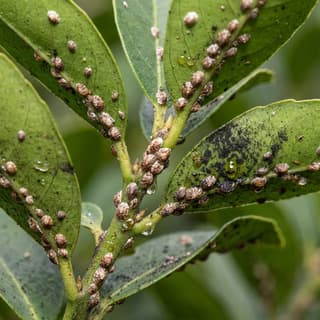
Scale Insects
Scale insects are small sap-sucking pests that appear as brown, shell-like bumps on plant stems and leaves. There are over 25 species, divided into armored (hard) and unarmored (soft) scales. They feed by piercing plant tissue and extracting sap, which weakens the plant and can lead to yellowing, stunted growth, and even death if left untreated. They also excrete honeydew, which attracts ants and promotes sooty mold growth.
✓ Related symptoms:
- • Yellowing or chlorotic (pale) leaves
⚡ Quick Fixes:
Step 1
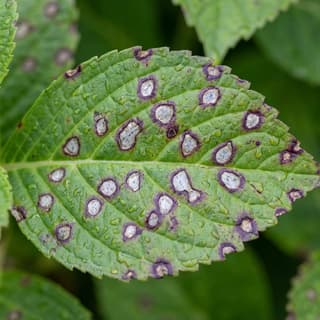
Cercospora Leaf Spot
Cercospora leaf spot is a common fungal disease caused by Cercospora species that affects many plant types, particularly beets, roses, and leafy vegetables. The disease thrives in warm, humid conditions and can cause significant defoliation, reducing plant vigor and yield. It spreads rapidly through water splash, wind, and contaminated tools.
✓ Related symptoms:
- • Spots coalesce into larger necrotic lesions
⚡ Quick Fixes:
Step 1