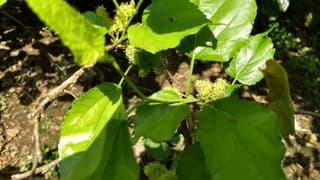
Indian Mulberry with Slow Growth: Pet-Safe Treatment
Morus indica
Indian Mulberry is a plant that needs bright light and moderate watering. When showing slow growth, it may indicate issues related to its environment or care.
Is your Indian Mulberry showing slow growth? Discover 3 possible causes and how to treat them.
🔍 Possible Causes (3)

Root Rot
Root rot is a serious fungal disease that affects the root system of plants, causing them to decay and die. It is primarily caused by overwatering, poor drainage, or soil-borne fungi such as Pythium, Phytophthora, Rhizoctonia, and Fusarium. The disease thrives in waterlogged conditions where roots are deprived of oxygen, making them susceptible to fungal infection.
✓ Related symptoms:
- • Stunted growth and poor vigor
⚡ Quick Fixes:
Emergency unpotting
Root-Knot Nematodes
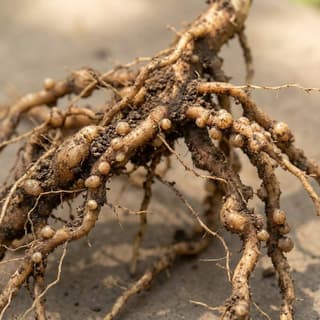
Root-knot nematodes (Meloidogyne species) are microscopic roundworms that parasitize plant roots, causing characteristic galls or knots. These soil-borne pests are among the most economically damaging plant pathogens worldwide, affecting a wide range of ornamental and edible plants. The nematodes inject enzymes into root cells, causing abnormal swelling and disrupting water and nutrient uptake.
✓ Related symptoms:
- • Stunted growth and reduced vigor
⚡ Quick Fixes:
Step 1
Mealybugs
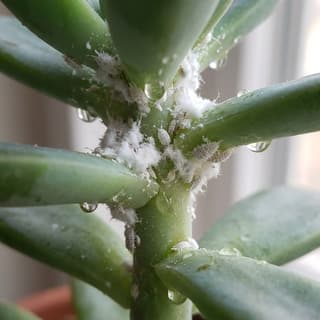
Mealybugs are small, soft-bodied insects covered with a white, waxy, cottony material. They are common pests of houseplants and outdoor plants in mild climates. These sap-sucking insects feed on plant tissue, causing damage, stunted growth, and can lead to plant death if left untreated. They produce sticky honeydew which attracts sooty mold.
✓ Related symptoms:
- • Stunted or deformed growth
⚡ Quick Fixes:
Step 1