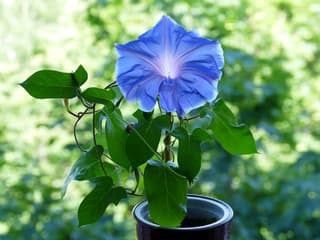
Japanese Morning Glory with Falling Leaves: Causes & Solutions
Ipomoea nil
Japanese Morning Glory is a plant that needs bright light and frequent watering. When showing falling leaves, it may indicate issues related to its environment or care.
Is your Japanese Morning Glory showing falling leaves? Discover 5 possible causes and how to treat them.
🔍 Possible Causes (5)
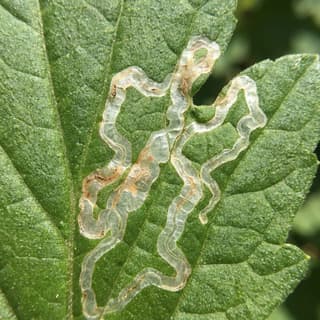
Leafminers
Leafminers are the larvae of various insects including flies, moths, sawflies, and beetles that tunnel between leaf surfaces, creating distinctive serpentine trails or blotchy patches. While primarily cosmetic, severe infestations can weaken plants by reducing photosynthesis capacity and making them susceptible to secondary infections.
✓ Related symptoms:
- • Leaf yellowing and premature drop
⚡ Quick Fixes:
Step 1
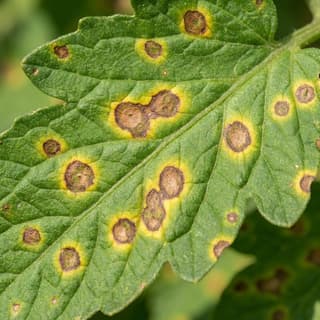
Leaf Spot
Leaf spot is a common fungal disease caused by various pathogens including Alternaria, Ascochyta, Colletotrichum, Septoria, and Venturia. It primarily affects leaves, causing discolored spots that can lead to premature leaf drop if left untreated.
✓ Related symptoms:
- • Heavily infected leaves may brown completely and drop prematurely
⚡ Quick Fixes:
Remove all visibly infected leaves
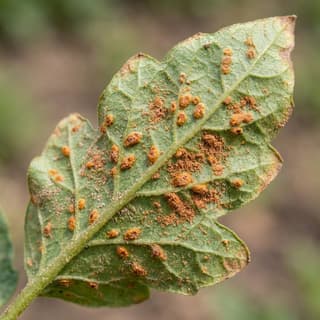
Rust
Rust is a common fungal disease caused by fungi in the order Pucciniales that affects a wide variety of plants. The disease gets its name from the characteristic orange, yellow, or reddish-brown pustules that appear on leaves, resembling metal rust. This obligate fungal parasite requires living plants to survive and can cause significant economic losses in agricultural crops.
✓ Related symptoms:
- • Premature yellowing and leaf drop
⚡ Quick Fixes:
Immediate Pruning
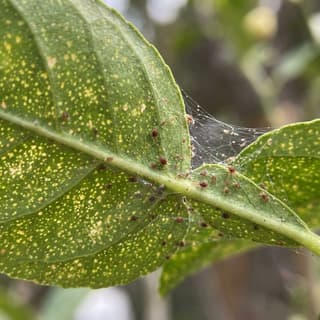
Spider Mites
Spider mites are tiny arachnids (less than 1/20 inch long) related to spiders and ticks that feed on plant sap. They thrive in hot, dry conditions and can cause significant damage to ornamental and vegetable plants. During severe infestations, crop losses can reach 14% or higher as these pests disrupt vital plant processes including photosynthesis, carbon dioxide absorption, and transpiration.
✓ Related symptoms:
- • Premature leaf drop and potential plant death
⚡ Quick Fixes:
Step 1
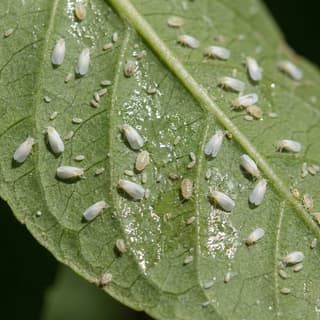
Whiteflies
Whiteflies are small, soft-bodied, winged insects closely related to aphids and mealybugs. They are moth-like in appearance, about 1/16 inch long, triangular in shape, and gray-white in color. These sap-sucking pests feed on plant tissue, causing yellowing, stunted growth, and wilting. They also excrete honeydew, which attracts ants and promotes sooty mold growth. Whiteflies can transmit serious plant viruses.
✓ Related symptoms:
- • Leaf drop in severe infestations
⚡ Quick Fixes:
Step 1