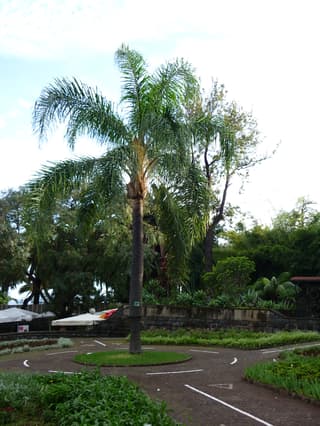
Queen Palm with Root Rot: Pet-Safe Treatment
Syagrus romanzoffiana
Queen Palm is a plant that needs bright light and infrequent watering. When showing root rot, it may indicate issues related to its environment or care.
Is your Queen Palm showing root rot? Discover 5 possible causes and how to treat them.
🔍 Possible Causes (5)
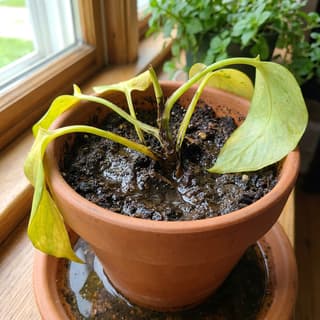
Overwatering
Overwatering occurs when plants receive too much water, depriving roots of oxygen and causing root rot. This environmental stress is one of the most common causes of houseplant death, as waterlogged soil prevents roots from breathing and functioning properly.
✓ Related symptoms:
- • Rotten or foul odor from the soil
⚡ Quick Fixes:
Step 1
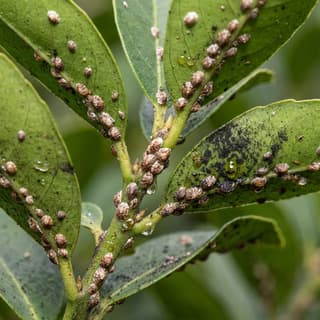
Scale Insects
Scale insects are small sap-sucking pests that appear as brown, shell-like bumps on plant stems and leaves. There are over 25 species, divided into armored (hard) and unarmored (soft) scales. They feed by piercing plant tissue and extracting sap, which weakens the plant and can lead to yellowing, stunted growth, and even death if left untreated. They also excrete honeydew, which attracts ants and promotes sooty mold growth.
✓ Related symptoms:
- • Yellowing or chlorotic (pale) leaves
⚡ Quick Fixes:
Step 1
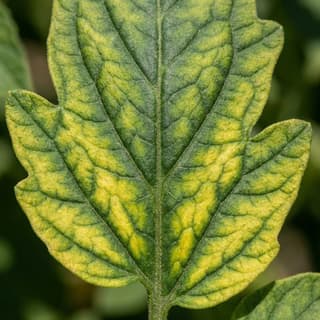
Magnesium Deficiency
Magnesium deficiency is a nutrient disorder characterized by interveinal chlorosis, where leaf tissue between veins turns yellow while the veins remain green. This deficiency affects older leaves first as magnesium is a mobile nutrient that plants relocate to support new growth. Magnesium is essential for chlorophyll production and photosynthesis, making this deficiency critical for plant health.
✓ Related symptoms:
- • Necrotic spots in severe cases
⚡ Quick Fixes:
Step 1
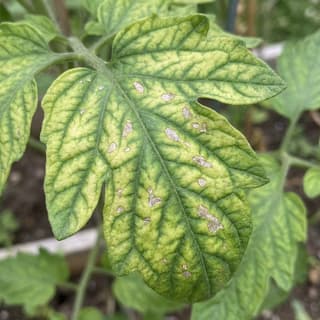
Manganese Deficiency
Manganese deficiency is a nutritional disorder that causes interveinal chlorosis in younger leaves, creating a distinctive chequered pattern. Unlike magnesium deficiency which affects older leaves first, manganese deficiency appears in new growth at the top of the plant. It is most common in poorly drained soils, high organic matter conditions, and soils with pH above 6.5.
✓ Related symptoms:
- • Small necrotic spots if deficiency persists
⚡ Quick Fixes:
Step 1

Root Rot
Root rot is a serious fungal disease that affects the root system of plants, causing them to decay and die. It is primarily caused by overwatering, poor drainage, or soil-borne fungi such as Pythium, Phytophthora, Rhizoctonia, and Fusarium. The disease thrives in waterlogged conditions where roots are deprived of oxygen, making them susceptible to fungal infection.
✓ Related symptoms:
- • Foul, rotting odor from the root zone
⚡ Quick Fixes:
Emergency unpotting