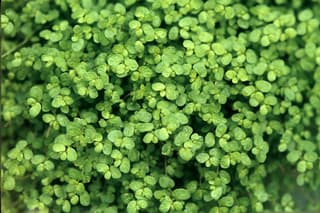
Baby's Tears with Leaf Spots: Pet-Safe Treatment
Soleirolia soleirolii
Baby's Tears is a plant that needs indirect light and frequent watering. When showing leaf spots, it may indicate issues related to its environment or care.
Is your Baby's Tears showing leaf spots? Discover 5 possible causes and how to treat them.
🔍 Possible Causes (5)
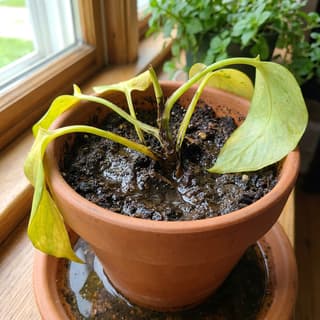
Overwatering
Overwatering occurs when plants receive too much water, depriving roots of oxygen and causing root rot. This environmental stress is one of the most common causes of houseplant death, as waterlogged soil prevents roots from breathing and functioning properly.
✓ Related symptoms:
- • Brown spots or edges with yellow halos on leaves (bacterial infection)
⚡ Quick Fixes:
Step 1
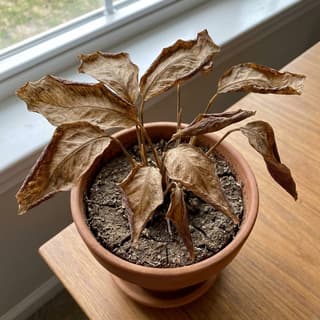
Low Humidity Stress
Low humidity stress occurs when indoor air becomes too dry, causing plants to lose moisture faster than they can absorb it through their roots. This is especially common during winter heating periods, near radiators and heating vents, or in air-conditioned spaces. Tropical plants are particularly susceptible to low humidity damage.
✓ Related symptoms:
- • Brown spots developing on leaf surfaces
⚡ Quick Fixes:
Step 1
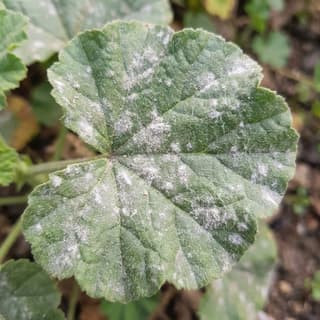
Powdery Mildew
Powdery mildew is a common fungal disease caused by various fungi species including Erysiphe, Podosphaera, Oïdium, and Leveillula. It affects over 10,000 plant species worldwide. The disease thrives in warm, dry climates with high humidity and appears as a distinctive white powdery coating on plant surfaces.
✓ Related symptoms:
- • White to gray powdery spots on leaves, stems, and buds
⚡ Quick Fixes:
Remove heavily infected areas
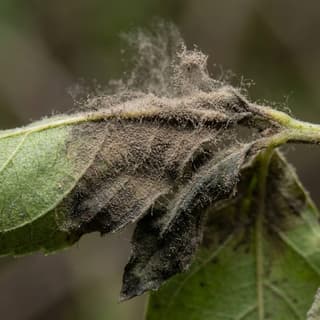
Gray Mold (Botrytis Blight)
Gray mold, caused by the fungus Botrytis cinerea, is a widespread necrotrophic pathogen affecting over 1,400 plant species. It thrives in cool, humid conditions and attacks weakened or aging plant tissues, causing soft rot and characteristic gray fuzzy growth.
✓ Related symptoms:
- • Soft, water-soaked brown lesions that rapidly expand
- • Ghost spots on fruits - small whitish rings from aborted infections
⚡ Quick Fixes:
Step 1
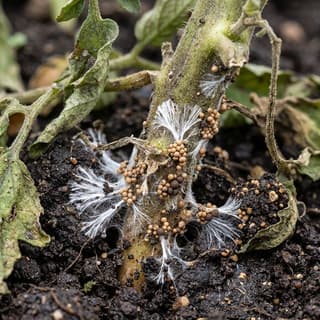
Southern Blight
Southern blight is a devastating soilborne fungal disease caused by Athelia rolfsii (formerly Sclerotium rolfsii), affecting over 500 plant species including vegetables, ornamentals, and fruit crops. The fungus survives in soil through resting structures called sclerotia that resemble mustard seeds and can remain viable for years.
✓ Related symptoms:
- • Brown to black lesions on stem near soil line
- • On fruits: sunken yellow lesions turning water-soaked
⚡ Quick Fixes:
Step 1