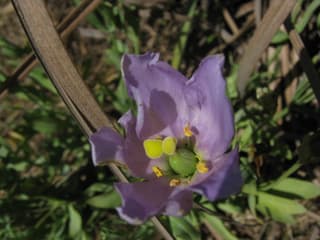
Lisianthus with Fungus: Pet-Safe Treatment
Eustoma grandiflorum
Lisianthus is a plant that needs bright light and infrequent watering. When showing fungus, it may indicate issues related to its environment or care.
Is your Lisianthus showing fungus? Discover 3 possible causes and how to treat them.
🔍 Possible Causes (3)
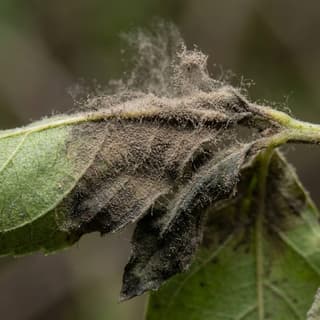
Gray Mold (Botrytis Blight)
Gray mold, caused by the fungus Botrytis cinerea, is a widespread necrotrophic pathogen affecting over 1,400 plant species. It thrives in cool, humid conditions and attacks weakened or aging plant tissues, causing soft rot and characteristic gray fuzzy growth.
✓ Related symptoms:
- • Gray, fuzzy mold coating on flowers, leaves, stems, or fruits
⚡ Quick Fixes:
Step 1
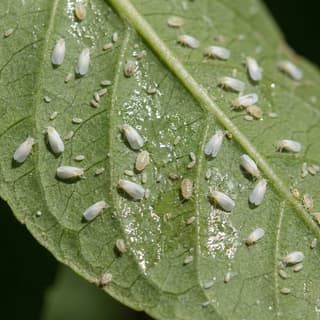
Whiteflies
Whiteflies are small, soft-bodied, winged insects closely related to aphids and mealybugs. They are moth-like in appearance, about 1/16 inch long, triangular in shape, and gray-white in color. These sap-sucking pests feed on plant tissue, causing yellowing, stunted growth, and wilting. They also excrete honeydew, which attracts ants and promotes sooty mold growth. Whiteflies can transmit serious plant viruses.
✓ Related symptoms:
- • Black sooty mold growing on honeydew deposits
- • Reduced photosynthesis due to mold coverage
⚡ Quick Fixes:
Step 1
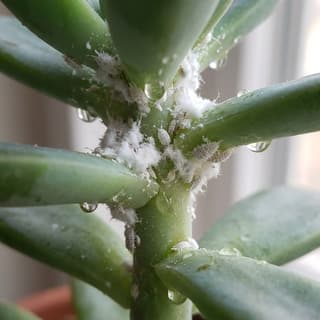
Mealybugs
Mealybugs are small, soft-bodied insects covered with a white, waxy, cottony material. They are common pests of houseplants and outdoor plants in mild climates. These sap-sucking insects feed on plant tissue, causing damage, stunted growth, and can lead to plant death if left untreated. They produce sticky honeydew which attracts sooty mold.
✓ Related symptoms:
- • Black sooty mold growing on honeydew
⚡ Quick Fixes:
Step 1