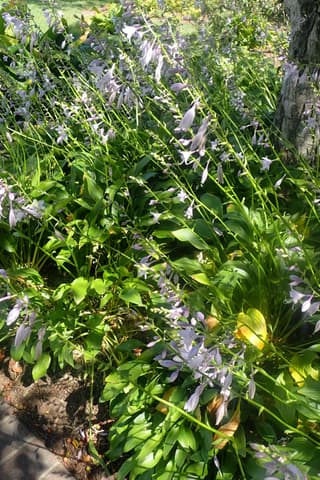
Narrow-leaved Plantain Lily with Leaf Spots: Causes & Solutions
Hosta lancifolia
Narrow-leaved Plantain Lily is a plant that needs low light and moderate watering. When showing leaf spots, it may indicate issues related to its environment or care.
Is your Narrow-leaved Plantain Lily showing leaf spots? Discover 4 possible causes and how to treat them.
🔍 Possible Causes (4)
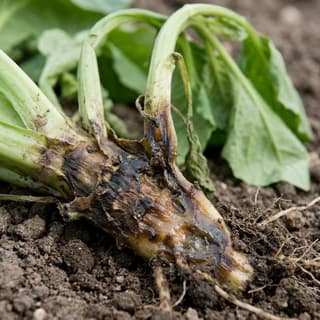
Crown Rot
Crown rot is a serious fungal disease that attacks the crown (base) of the plant where the stem meets the soil. It is caused by various fungal pathogens including Phytophthora, Fusarium, and Rhizoctonia. The disease thrives in waterlogged conditions and can quickly spread to kill the entire plant if not addressed promptly.
✓ Related symptoms:
- • Dark brown lesion girdling the main stem just above soil line
⚡ Quick Fixes:
Immediate unpotting
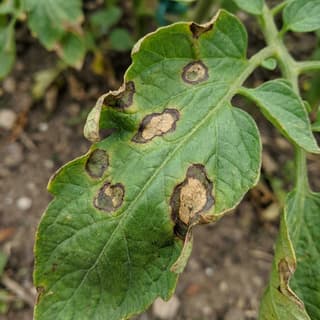
Anthracnose
Anthracnose is a fungal disease caused by fungi in the genus Colletotrichum that affects many plants, including vegetables, fruits, and trees. The disease thrives in cool, wet conditions, causing dark, sunken lesions on leaves, stems, flowers, and fruits.
✓ Related symptoms:
- • Small irregular yellow or brown spots on leaves
- • Dark sunken lesions on leaves, stems, flowers and fruits
- • Water-soaked lesions that darken as they age
⚡ Quick Fixes:
Remove and discard all visibly infected parts
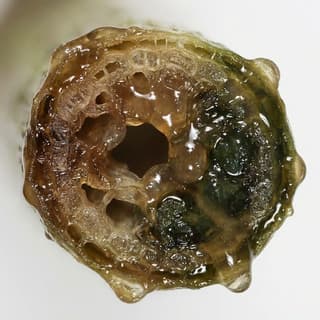
Bacterial Soft Rot
Bacterial soft rot is a destructive plant disease caused primarily by bacteria from the genera Pectobacterium (formerly Erwinia) and Dickeya. These bacteria produce enzymes that break down plant cell walls, causing rapid and foul-smelling tissue decomposition. It mainly affects succulent tissues such as tubers, fruits, stems, and bulbs, being especially problematic in warm and humid conditions.
✓ Related symptoms:
- • Water-soaked spots that progressively enlarge
- • Sunken lesions that expand rapidly
⚡ Quick Fixes:
Immediate Action - Isolation
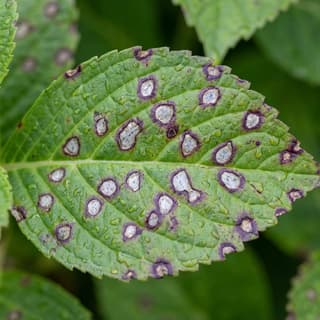
Cercospora Leaf Spot
Cercospora leaf spot is a common fungal disease caused by Cercospora species that affects many plant types, particularly beets, roses, and leafy vegetables. The disease thrives in warm, humid conditions and can cause significant defoliation, reducing plant vigor and yield. It spreads rapidly through water splash, wind, and contaminated tools.
✓ Related symptoms:
- • Small circular spots (0.02-0.2 inch) on leaves
- • Spots coalesce into larger necrotic lesions
⚡ Quick Fixes:
Step 1