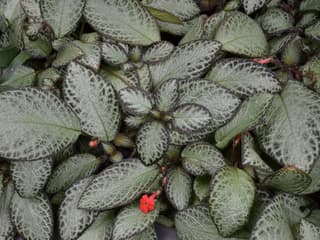
Flame Violet with Slow Growth: Pet-Safe Treatment
Episcia reptans
Flame Violet is a plant that needs indirect light and moderate watering. When showing slow growth, it may indicate issues related to its environment or care.
Is your Flame Violet showing slow growth? Discover 6 possible causes and how to treat them.
🔍 Possible Causes (6)
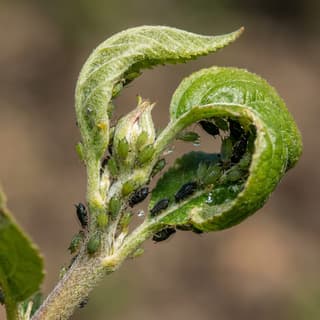
Aphids
Aphids are small, soft-bodied, pear-shaped insects (1/16 to 1/8 inch long) that feed by sucking nutrient-rich sap from plants. They reproduce rapidly and can quickly weaken plants, causing distorted growth and transmitting plant viruses. Aphids come in various colors including green, black, red, yellow, brown, and gray. They secrete honeydew, a sticky substance that attracts ants and encourages sooty mold growth.
✓ Related symptoms:
- • Stunted or deformed new growth
⚡ Quick Fixes:
Step 1
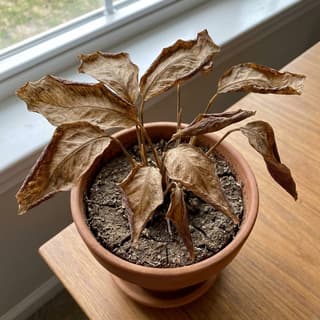
Low Humidity Stress
Low humidity stress occurs when indoor air becomes too dry, causing plants to lose moisture faster than they can absorb it through their roots. This is especially common during winter heating periods, near radiators and heating vents, or in air-conditioned spaces. Tropical plants are particularly susceptible to low humidity damage.
✓ Related symptoms:
- • Overall stunted or slowed growth
⚡ Quick Fixes:
Step 1
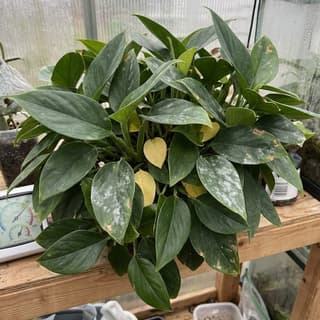
Poor Air Circulation
Poor air circulation is an environmental stress condition that occurs when plants lack adequate airflow around their foliage and stems. Stagnant air creates a microenvironment that promotes moisture buildup, depletes available CO2, and weakens plant defenses against fungal diseases and pests. This is especially common with densely packed indoor plants or plants placed in corners with limited ventilation.
✓ Related symptoms:
- • Stunted or slow growth
⚡ Quick Fixes:
Install a fan immediately
Mealybugs
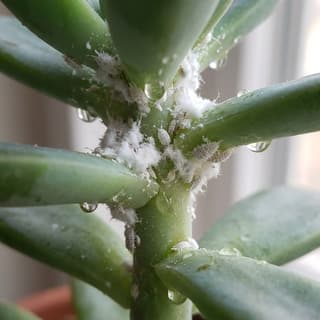
Mealybugs are small, soft-bodied insects covered with a white, waxy, cottony material. They are common pests of houseplants and outdoor plants in mild climates. These sap-sucking insects feed on plant tissue, causing damage, stunted growth, and can lead to plant death if left untreated. They produce sticky honeydew which attracts sooty mold.
✓ Related symptoms:
- • Stunted or deformed growth
⚡ Quick Fixes:
Step 1

Root Rot
Root rot is a serious fungal disease that affects the root system of plants, causing them to decay and die. It is primarily caused by overwatering, poor drainage, or soil-borne fungi such as Pythium, Phytophthora, Rhizoctonia, and Fusarium. The disease thrives in waterlogged conditions where roots are deprived of oxygen, making them susceptible to fungal infection.
✓ Related symptoms:
- • Stunted growth and poor vigor
⚡ Quick Fixes:
Emergency unpotting
Crown Rot
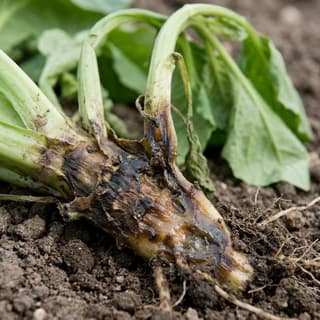
Crown rot is a serious fungal disease that attacks the crown (base) of the plant where the stem meets the soil. It is caused by various fungal pathogens including Phytophthora, Fusarium, and Rhizoctonia. The disease thrives in waterlogged conditions and can quickly spread to kill the entire plant if not addressed promptly.
✓ Related symptoms:
- • Stunted or slowed growth
⚡ Quick Fixes:
Immediate unpotting