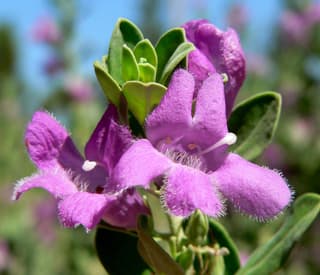
Texas Sage with Leaf Spots: Pet-Safe Treatment
Leucophyllum frutescens
Texas Sage is a plant that needs bright light and infrequent watering. When showing leaf spots, it may indicate issues related to its environment or care.
Is your Texas Sage showing leaf spots? Discover 2 possible causes and how to treat them.
🔍 Possible Causes (2)
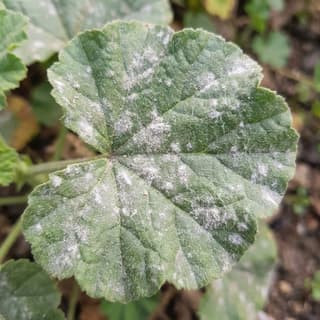
Powdery Mildew
Powdery mildew is a common fungal disease caused by various fungi species including Erysiphe, Podosphaera, Oïdium, and Leveillula. It affects over 10,000 plant species worldwide. The disease thrives in warm, dry climates with high humidity and appears as a distinctive white powdery coating on plant surfaces.
✓ Related symptoms:
- • White to gray powdery spots on leaves, stems, and buds
⚡ Quick Fixes:
Remove heavily infected areas
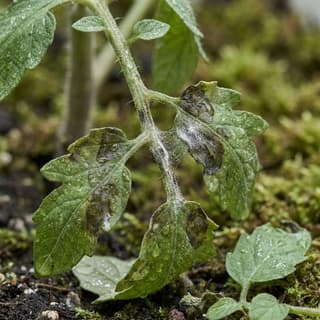
Phytophthora Blight
Devastating fungal disease caused by Phytophthora species (primarily P. capsici and P. infestans), famously responsible for the Irish Potato Famine in the 1840s. Affects all plant parts including roots, stems, leaves, and fruits in warm, wet conditions. The pathogen is technically an oomycete (water mold) that thrives in saturated soils and can survive in soil for 5+ years.
✓ Related symptoms:
- • Water-soaked lesions on leaves with vague borders and white fluffy fungal growth
- • Elongated brown lesions on stems that encircle the stem
- • Bluish lesions on tubers
⚡ Quick Fixes:
Immediately apply systemic fungicide (mefenoxam) as soil drench