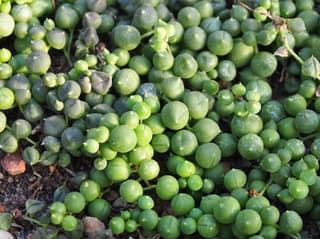
String of Pearls with Wilting Leaves: Causes & Solutions
Senecio rowleyanus
String of Pearls is a plant that needs bright light and infrequent watering. When showing wilting leaves, it may indicate issues related to its environment or care.
Is your String of Pearls showing wilting leaves? Discover 20 possible causes and how to treat them.
🔍 Possible Causes (20)
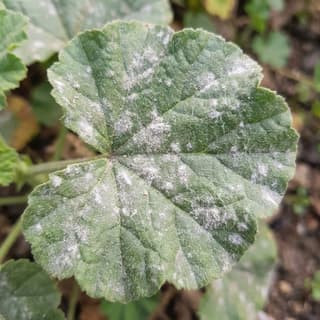
Powdery Mildew
Powdery mildew is a common fungal disease caused by various fungi species including Erysiphe, Podosphaera, Oïdium, and Leveillula. It affects over 10,000 plant species worldwide. The disease thrives in warm, dry climates with high humidity and appears as a distinctive white powdery coating on plant surfaces.
✓ Related symptoms:
- • Early wilting and leaf browning
⚡ Quick Fixes:
Remove heavily infected areas
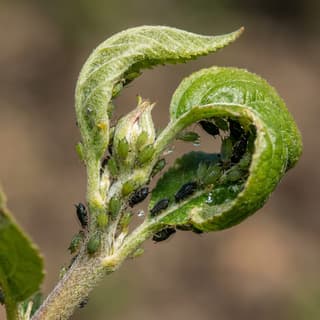
Aphids
Aphids are small, soft-bodied, pear-shaped insects (1/16 to 1/8 inch long) that feed by sucking nutrient-rich sap from plants. They reproduce rapidly and can quickly weaken plants, causing distorted growth and transmitting plant viruses. Aphids come in various colors including green, black, red, yellow, brown, and gray. They secrete honeydew, a sticky substance that attracts ants and encourages sooty mold growth.
✓ Related symptoms:
- • Wilting or weakened plants despite adequate watering
⚡ Quick Fixes:
Step 1
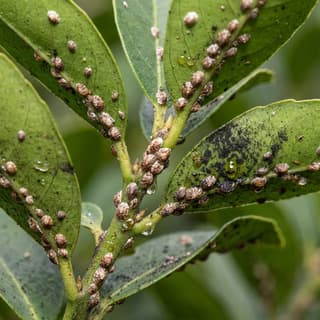
Scale Insects
Scale insects are small sap-sucking pests that appear as brown, shell-like bumps on plant stems and leaves. There are over 25 species, divided into armored (hard) and unarmored (soft) scales. They feed by piercing plant tissue and extracting sap, which weakens the plant and can lead to yellowing, stunted growth, and even death if left untreated. They also excrete honeydew, which attracts ants and promotes sooty mold growth.
✓ Related symptoms:
- • Drooping or wilting leaves
⚡ Quick Fixes:
Step 1
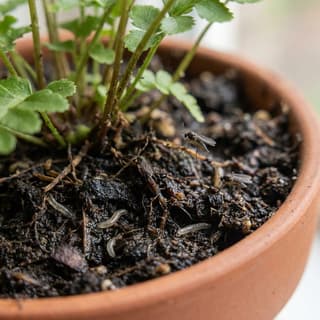
Fungus Gnats
Fungus gnats are small, gray-to-black mosquito-like insects (1/8 to 1/10 inches long) commonly found in indoor plants. Adult gnats are mostly a nuisance, but their larvae feed on plant roots and organic matter in soil, potentially causing serious damage to young or vulnerable plants. The larvae are translucent white with distinctive black heads and can leave slime trails on the soil surface in heavy infestations.
✓ Related symptoms:
- • Wilting despite adequate watering
⚡ Quick Fixes:
Step 1
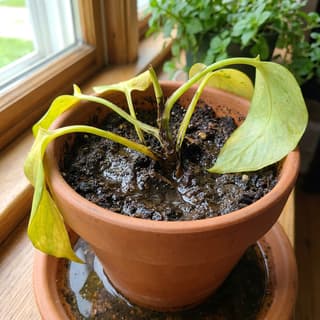
Overwatering
Overwatering occurs when plants receive too much water, depriving roots of oxygen and causing root rot. This environmental stress is one of the most common causes of houseplant death, as waterlogged soil prevents roots from breathing and functioning properly.
✓ Related symptoms:
- • Yellow or brown limp, droopy leaves that feel soft and mushy
- • Wilting despite wet soil
⚡ Quick Fixes:
Step 1
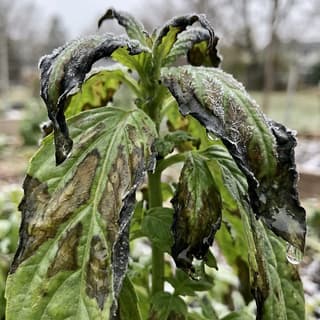
Cold Damage
Cold damage, also known as frost injury, occurs when plants are exposed to freezing or near-freezing temperatures. This environmental stress can cause cellular damage as ice crystals form within plant tissues, rupturing cells and disrupting normal plant functions. Chilling injury can also occur in sensitive species at temperatures between 32-55°F (0-10°C), even without actual freezing.
✓ Related symptoms:
- • Leaves become limp, wilted, and droopy
⚡ Quick Fixes:
Step 1

Root-Bound
Root-bound, also called pot-bound, is a common environmental condition that occurs when a plant's roots have outgrown their container. The roots become so densely packed that they circle around the root ball and cannot expand properly. This restricts the plant's ability to absorb water and nutrients, leading to stunted growth and declining health. Unlike diseases, being root-bound is not contagious and is entirely preventable through proper container management and regular repotting.
✓ Related symptoms:
- • Frequent wilting despite regular watering
⚡ Quick Fixes:
Quick assessment
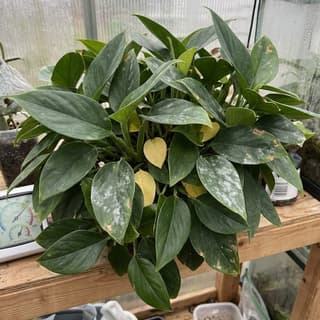
Poor Air Circulation
Poor air circulation is an environmental stress condition that occurs when plants lack adequate airflow around their foliage and stems. Stagnant air creates a microenvironment that promotes moisture buildup, depletes available CO2, and weakens plant defenses against fungal diseases and pests. This is especially common with densely packed indoor plants or plants placed in corners with limited ventilation.
✓ Related symptoms:
- • Drooping or wilting despite adequate watering
⚡ Quick Fixes:
Install a fan immediately
Overfertilization
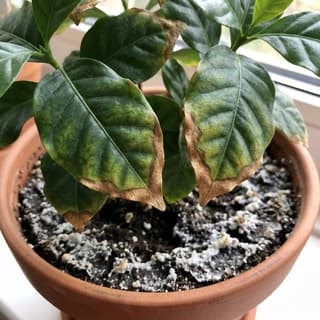
Fertilizer burn is a condition caused by applying excessive fertilizer to plants. The salts in fertilizer draw moisture out of plant tissues, leading to scorched foliage, root damage, and overall plant stress. This environmental condition is not contagious and can be reversed with proper treatment.
✓ Related symptoms:
- • Wilting despite adequate watering
⚡ Quick Fixes:
Step 1
Salt Buildup
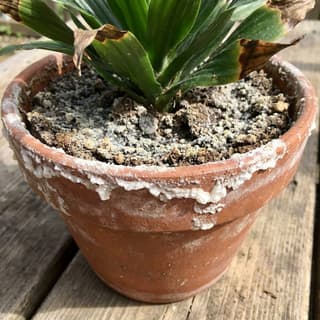
Salt buildup (also called salt accumulation or fertilizer salt deposits) is an environmental condition where mineral salts accumulate in the soil over time, creating a toxic environment for plant roots. The most visible sign is a white or yellowish crusty layer on the soil surface or around pot edges.
✓ Related symptoms:
- • Wilting despite adequate watering
⚡ Quick Fixes:
Step 1
Transplant Shock
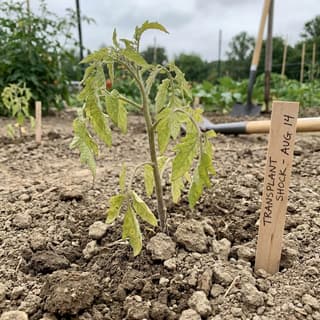
Transplant shock is a stress response that occurs when plants are abruptly moved from one environment to another. This environmental condition affects plants during repotting, moving between indoor/outdoor locations, or transplanting from nursery pots to gardens. Root damage during the move is the primary cause, making it nearly impossible to completely avoid some degree of stress.
✓ Related symptoms:
- • Wilting even when soil is moist
- • Drooping stems or overall plant wilting
⚡ Quick Fixes:
Step 1

Root Rot
Root rot is a serious fungal disease that affects the root system of plants, causing them to decay and die. It is primarily caused by overwatering, poor drainage, or soil-borne fungi such as Pythium, Phytophthora, Rhizoctonia, and Fusarium. The disease thrives in waterlogged conditions where roots are deprived of oxygen, making them susceptible to fungal infection.
✓ Related symptoms:
- • Wilting leaves despite moist soil
⚡ Quick Fixes:
Emergency unpotting
Crown Rot
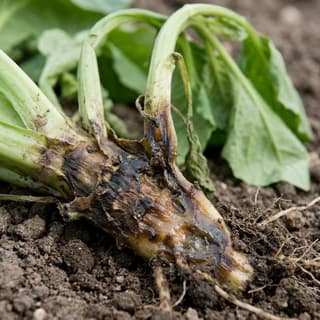
Crown rot is a serious fungal disease that attacks the crown (base) of the plant where the stem meets the soil. It is caused by various fungal pathogens including Phytophthora, Fusarium, and Rhizoctonia. The disease thrives in waterlogged conditions and can quickly spread to kill the entire plant if not addressed promptly.
✓ Related symptoms:
- • Wilting leaves, especially during midday heat
⚡ Quick Fixes:
Immediate unpotting
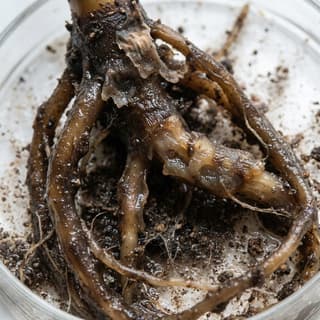
Pythium Root Rot
Pythium root rot is a serious fungal disease caused by various Pythium species including P. aphanidermatum, P. ultimum, and P. irregulare. These water molds are present in practically all cultivated soils and attack plant roots under wet conditions, causing rapid wet rot that can extend into the stem. The disease is favored by poor drainage, overwatering, and specific temperatures depending on the species.
✓ Related symptoms:
- • Wilting during the day with recovery at night
⚡ Quick Fixes:
Step 1
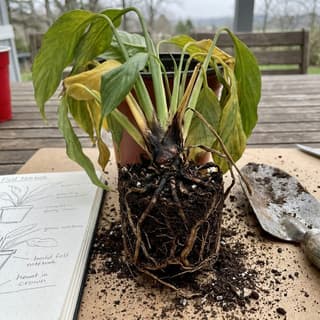
Phytophthora Root Rot
Disease caused by fungus-like organisms (oomycetes) that live in soil and can survive for years. It affects roots, stem, and crown of plants, being especially severe in waterlogged or poorly drained soils. It is the second most common cause of root rot in trees and shrubs.
✓ Related symptoms:
- • Leaf wilting despite moist soil
⚡ Quick Fixes:
Expose plant base by removing soil to main roots
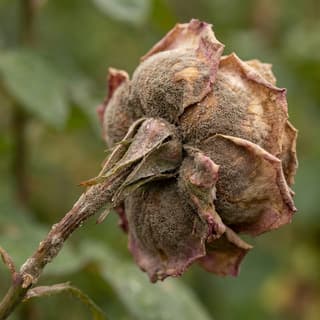
Gray Mold (Botrytis Blight)
Gray mold, caused by the fungus Botrytis cinerea, is one of the most common fungal diseases in plants. It affects over 200 plant species, including ornamentals, vegetables, fruits, and houseplants. The disease thrives in cool, humid conditions with poor air circulation, causing grayish spots and soft rot on infected tissues.
✓ Related symptoms:
- • Wilting and collapse of affected tissues
⚡ Quick Fixes:
Remove and dispose of all visibly infected parts
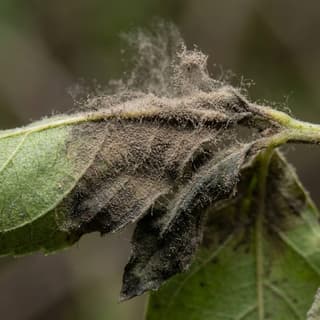
Gray Mold (Botrytis Blight)
Gray mold, caused by the fungus Botrytis cinerea, is a widespread necrotrophic pathogen affecting over 1,400 plant species. It thrives in cool, humid conditions and attacks weakened or aging plant tissues, causing soft rot and characteristic gray fuzzy growth.
✓ Related symptoms:
- • Wilting and browning of flower petals
⚡ Quick Fixes:
Step 1
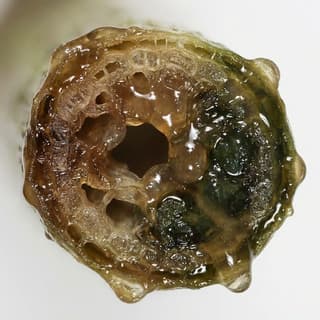
Bacterial Soft Rot
Bacterial soft rot is a destructive plant disease caused primarily by bacteria from the genera Pectobacterium (formerly Erwinia) and Dickeya. These bacteria produce enzymes that break down plant cell walls, causing rapid and foul-smelling tissue decomposition. It mainly affects succulent tissues such as tubers, fruits, stems, and bulbs, being especially problematic in warm and humid conditions.
✓ Related symptoms:
- • Rapid wilting of plant parts
⚡ Quick Fixes:
Immediate Action - Isolation
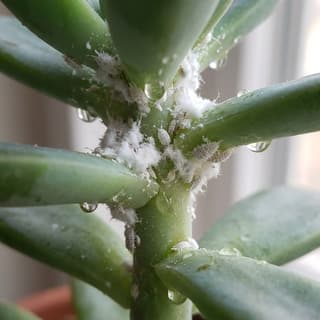
Mealybugs
Mealybugs are small, soft-bodied insects covered with a white, waxy, cottony material. They are common pests of houseplants and outdoor plants in mild climates. These sap-sucking insects feed on plant tissue, causing damage, stunted growth, and can lead to plant death if left untreated. They produce sticky honeydew which attracts sooty mold.
✓ Related symptoms:
- • Yellowing or wilting leaves
⚡ Quick Fixes:
Step 1
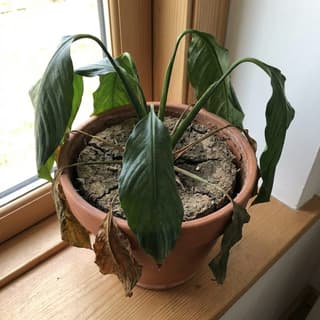
Underwatering
Underwatering or drought stress is a physiological disorder that occurs when the amount of water a plant loses through transpiration exceeds the amount its roots can absorb from the soil. This leads to cellular dehydration and various visible symptoms that can compromise plant health and productivity.
✓ Related symptoms:
- • Wilting leaves that feel dry and crispy to touch
⚡ Quick Fixes:
Step 1