Swiss Cheese Vine with Pests: Causes & Solutions
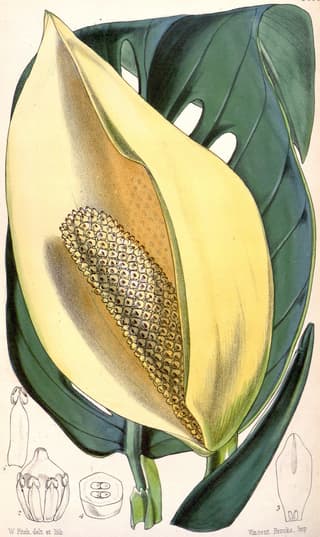
Monstera adansonii
Swiss Cheese Vine is a plant that needs indirect light and moderate watering. When showing pests, it may indicate issues related to its environment or care.
Is your Swiss Cheese Vine showing pests? Discover 3 possible causes and how to treat them.
🔍 Possible Causes (3)
Low Humidity Stress
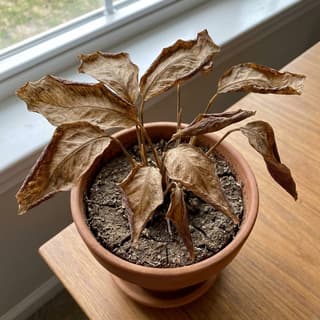
Low humidity stress occurs when indoor air becomes too dry, causing plants to lose moisture faster than they can absorb it through their roots. This is especially common during winter heating periods, near radiators and heating vents, or in air-conditioned spaces. Tropical plants are particularly susceptible to low humidity damage.
✓ Related symptoms:
- • Increased susceptibility to pest infestations (spider mites thrive in dry conditions)
⚡ Quick Fixes:
Step 1

Poor Air Circulation
Poor air circulation is an environmental stress condition that occurs when plants lack adequate airflow around their foliage and stems. Stagnant air creates a microenvironment that promotes moisture buildup, depletes available CO2, and weakens plant defenses against fungal diseases and pests. This is especially common with densely packed indoor plants or plants placed in corners with limited ventilation.
✓ Related symptoms:
- • Increased susceptibility to pests like fungus gnats and spider mites
⚡ Quick Fixes:
Install a fan immediately
Broad Mites
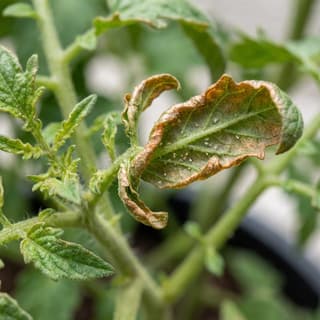
Broad mites (Polyphagotarsonemus latus) are microscopic pests measuring only 0.25mm, making them nearly invisible to the naked eye. These arthropods feed on meristematic tissues at growing tips, injecting toxic saliva that severely damages new growth. They prefer warm, humid environments and reproduce rapidly, with females laying eggs every 2-3 days. The damage appears weeks after initial infestation, making early detection extremely difficult.
✓ Related symptoms:
- • Microscopic shiny amber or dark green mites (0.25mm) - nearly impossible to see without magnification
⚡ Quick Fixes:
Step 1