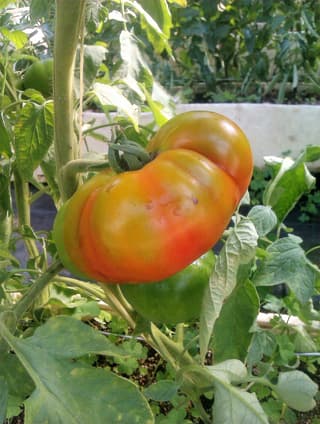
Tomato with Yellow Leaves: Causes & Solutions
Solanum lycopersicum
Tomato is a plant that needs bright light and frequent watering. When showing yellow leaves, it may indicate issues related to its environment or care.
Is your Tomato showing yellow leaves? Discover 20 possible causes and how to treat them.
🔍 Possible Causes (20)
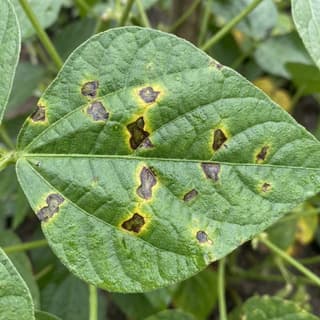
Bacterial Leaf Spot
Bacterial leaf spot is a plant disease caused by bacteria in the Xanthomonas and Pseudomonas genera that affects various ornamental and edible plants. The bacteria infect leaves through wounds or natural openings, causing characteristic lesions that can lead to premature leaf drop and plant weakening.
✓ Related symptoms:
- • Brown or black lesions with yellow halos
- • Leaf yellowing and wilting
⚡ Quick Fixes:
Remove infected leaves

Aphids
Aphids are small, soft-bodied, pear-shaped insects (1/16 to 1/8 inch long) that feed by sucking nutrient-rich sap from plants. They reproduce rapidly and can quickly weaken plants, causing distorted growth and transmitting plant viruses. Aphids come in various colors including green, black, red, yellow, brown, and gray. They secrete honeydew, a sticky substance that attracts ants and encourages sooty mold growth.
✓ Related symptoms:
- • Clusters of soft-bodied insects in various colors (green, black, red, yellow)
- • Curled, distorted, or yellowing leaves
⚡ Quick Fixes:
Step 1
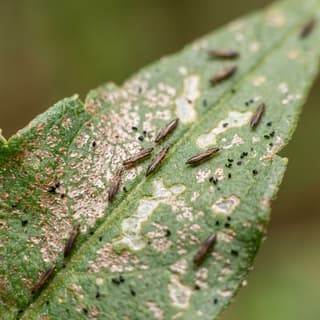
Thrips
Thrips are tiny cigar-shaped insects (1/25-inch long) that damage plants by sucking plant juices and scraping at fruits, flowers, and leaves. With over 6,000 species and rapid reproduction (lifecycle as short as 14 days), they can quickly infest plants and transmit viruses like tomato spotted wilt virus.
✓ Related symptoms:
- • Yellowing and eventual death of affected leaves
⚡ Quick Fixes:
Step 1
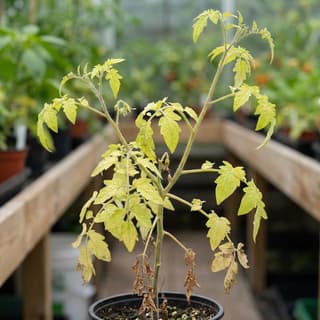
Nitrogen Deficiency
Nitrogen deficiency occurs when plants lack sufficient nitrogen, an essential macronutrient needed for chlorophyll production and overall growth. This deficiency typically manifests as yellowing leaves, starting with older foliage and progressing to newer growth if left untreated.
✓ Related symptoms:
- • Yellowing (chlorosis) of older, lower leaves first
- • Pale yellow-green coloration across the entire plant
- • Some species may develop purple or reddish tints instead of yellowing
⚡ Quick Fixes:
Step 1
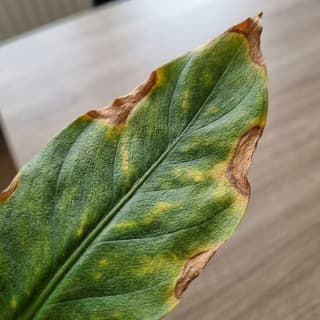
Potassium Deficiency
Potassium deficiency is a nutritional disorder that affects a plant's ability to regulate stomatal opening and closing, resulting in characteristic leaf edge burn. Potassium is a mobile nutrient, so symptoms first appear on older, lower leaves.
✓ Related symptoms:
- • Yellow or brown scorching along leaf margins
- • Chlorosis (yellowing) between leaf veins
⚡ Quick Fixes:
Step 1
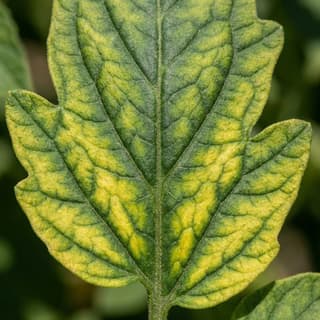
Magnesium Deficiency
Magnesium deficiency is a nutrient disorder characterized by interveinal chlorosis, where leaf tissue between veins turns yellow while the veins remain green. This deficiency affects older leaves first as magnesium is a mobile nutrient that plants relocate to support new growth. Magnesium is essential for chlorophyll production and photosynthesis, making this deficiency critical for plant health.
✓ Related symptoms:
- • Interveinal chlorosis with yellowing between leaf veins while veins stay green
⚡ Quick Fixes:
Step 1
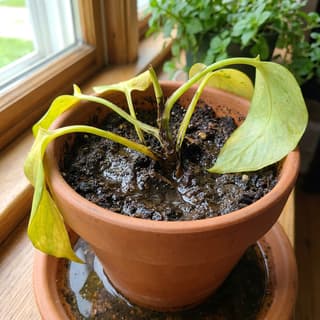
Overwatering
Overwatering occurs when plants receive too much water, depriving roots of oxygen and causing root rot. This environmental stress is one of the most common causes of houseplant death, as waterlogged soil prevents roots from breathing and functioning properly.
✓ Related symptoms:
- • Yellow or brown limp, droopy leaves that feel soft and mushy
- • Dropping leaves (both old and new) that may be green, brown, or yellow
- • Brown spots or edges with yellow halos on leaves (bacterial infection)
⚡ Quick Fixes:
Step 1
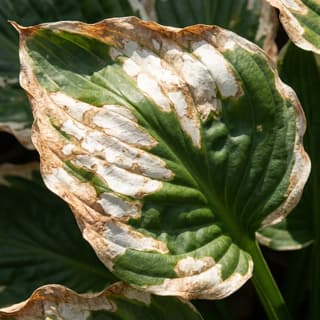
Sunburn (Sun Scorch)
Sunburn or sun scorch is an environmental condition that occurs when plants are exposed to intense, direct sunlight beyond their tolerance level. This causes the breakdown of chlorophyll in the leaves, resulting in bleached, dried, and damaged foliage. The damage can happen rapidly, sometimes within just a few hours of exposure.
✓ Related symptoms:
- • Affected areas turn yellow, then brown, and become brittle
⚡ Quick Fixes:
Step 1
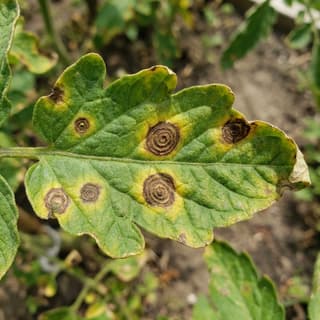
Alternaria Leaf Spot
Alternaria leaf spot is a common fungal disease caused by Alternaria solani and Alternaria alternata that affects a wide range of plants including tomatoes, potatoes, brassicas, and ornamentals. The disease thrives in warm, humid conditions and can cause significant crop damage if left untreated. Spores overwinter on plant debris and can attach to seeds, making complete elimination difficult.
✓ Related symptoms:
- • Spots change from black to tan/gray with yellow halos
⚡ Quick Fixes:
Step 1
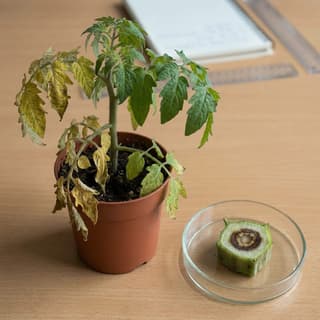
Fusarium Wilt
Fusarium wilt is a serious fungal disease caused by the soil-borne fungus Fusarium oxysporum. The fungus invades roots and blocks the water-conducting vessels (xylem) of the plant, causing progressive wilting and eventual death. Host-specific forms of the pathogen exist that attack different plant species.
✓ Related symptoms:
- • Asymmetrical yellowing of leaves (one side of plant or leaflets)
- • Pale green to golden yellow foliage
⚡ Quick Fixes:
Remove Plant
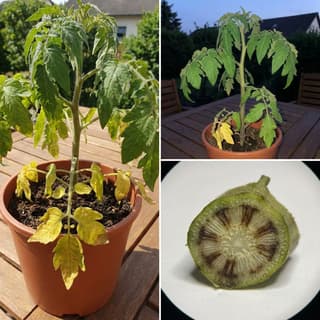
Verticillium Wilt
Verticillium wilt is a soil-borne fungal disease caused primarily by the fungi Verticillium dahliae and V. albo-atrum. These pathogens infect plant roots and grow within the vascular tissues, blocking water and nutrient transport, resulting in wilting and eventual plant death. The disease affects over 350 plant species including vegetables, fruits, ornamental flowers, and trees. The fungi can survive in soil for more than 10 years as resistant structures called microsclerotia.
✓ Related symptoms:
- • Yellowing of leaves (chlorosis) starting from the margins
- • V-shaped yellowing pattern on leaves
⚡ Quick Fixes:
Quick Assessment
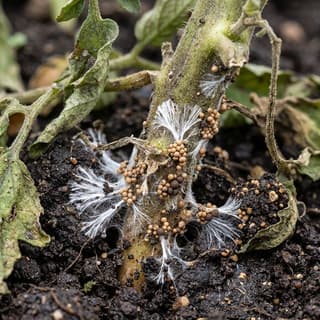
Southern Blight
Southern blight is a devastating soilborne fungal disease caused by Athelia rolfsii (formerly Sclerotium rolfsii), affecting over 500 plant species including vegetables, ornamentals, and fruit crops. The fungus survives in soil through resting structures called sclerotia that resemble mustard seeds and can remain viable for years.
✓ Related symptoms:
- • Yellowing and necrosis of foliage
- • On fruits: sunken yellow lesions turning water-soaked
⚡ Quick Fixes:
Step 1
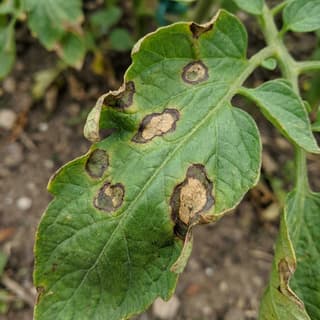
Anthracnose
Anthracnose is a fungal disease caused by fungi in the genus Colletotrichum that affects many plants, including vegetables, fruits, and trees. The disease thrives in cool, wet conditions, causing dark, sunken lesions on leaves, stems, flowers, and fruits.
✓ Related symptoms:
- • Small irregular yellow or brown spots on leaves
⚡ Quick Fixes:
Remove and discard all visibly infected parts
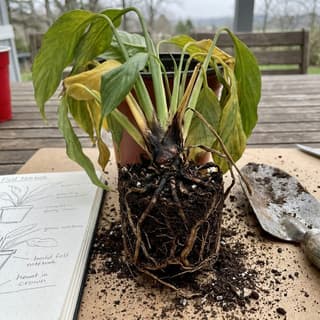
Phytophthora Root Rot
Disease caused by fungus-like organisms (oomycetes) that live in soil and can survive for years. It affects roots, stem, and crown of plants, being especially severe in waterlogged or poorly drained soils. It is the second most common cause of root rot in trees and shrubs.
✓ Related symptoms:
- • Yellowing or discolored foliage (dull green, yellow, red, purplish)
⚡ Quick Fixes:
Expose plant base by removing soil to main roots
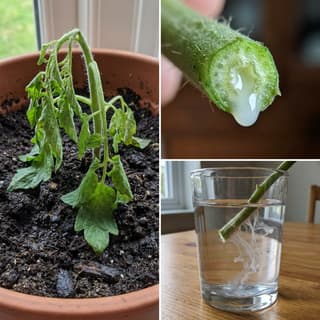
Bacterial Wilt
Bacterial wilt is a fatal vascular disease caused by bacteria (Erwinia tracheiphila, Ralstonia solanacearum, Xanthomonas spp.) that infects the water-conducting tissue of plants. The bacteria multiply and block the flow of water and nutrients, causing rapid wilting and plant death within 1-2 weeks.
✓ Related symptoms:
- • Leaves turn yellow and brown at margins progressively
⚡ Quick Fixes:
Urgent isolation
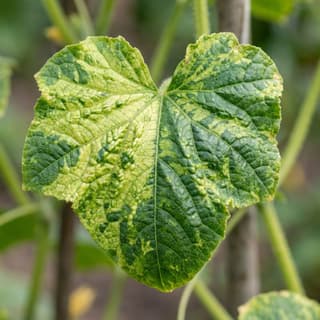
Mosaic Virus
Mosaic virus is a group of plant viruses that cause mottled, patchy patterns on leaves and can affect a wide variety of plants. The virus creates characteristic yellow, white, and green mosaic patterns, often accompanied by stunted growth and deformed plant parts. This highly contagious disease spreads rapidly through insect vectors and contaminated tools.
✓ Related symptoms:
- • Mottled or mosaic pattern of yellow, white, and green on leaves
- • Yellowing between leaf veins
⚡ Quick Fixes:
Step 1
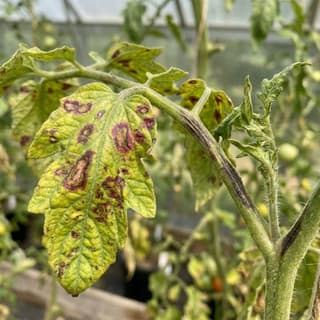
Tomato Spotted Wilt Virus (TSWV)
Tomato Spotted Wilt Virus (TSWV) is one of the most devastating viral diseases affecting over 1,000 plant species across 85 families. It is transmitted by thrips and cannot be cured once a plant is infected. The virus causes severe stunting, bronzing of leaves, necrotic spots, and significant yield losses. Early detection and removal of infected plants is critical to prevent spread.
✓ Related symptoms:
- • Chlorotic yellow ring spots on foliage
- • Yellow ringspots and brown necrotic sunken areas on fruit
⚡ Quick Fixes:
Step 1
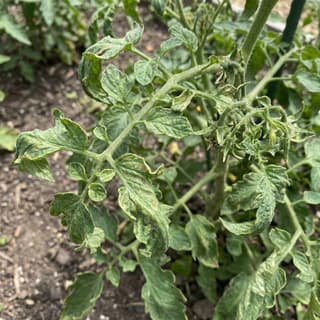
Leaf Curl Virus
Leaf curl virus is a serious viral disease caused by begomoviruses, transmitted by whiteflies (Bemisia tabaci). It affects various plants including tomatoes, peppers, and ornamentals, causing significant yield losses and plant decline. Once infected, plants cannot be cured and management focuses on prevention and vector control.
✓ Related symptoms:
- • Yellowing of young leaves
⚡ Quick Fixes:
Step 1
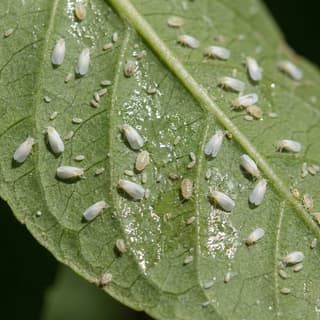
Whiteflies
Whiteflies are small, soft-bodied, winged insects closely related to aphids and mealybugs. They are moth-like in appearance, about 1/16 inch long, triangular in shape, and gray-white in color. These sap-sucking pests feed on plant tissue, causing yellowing, stunted growth, and wilting. They also excrete honeydew, which attracts ants and promotes sooty mold growth. Whiteflies can transmit serious plant viruses.
✓ Related symptoms:
- • Yellowing, wilting, and stunted growth of leaves
- • Transmission of plant viruses (tomato yellow leaf curl, cucumber mosaic)
⚡ Quick Fixes:
Step 1
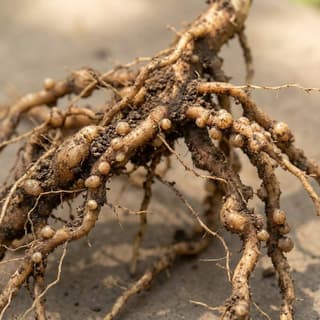
Root-Knot Nematodes
Root-knot nematodes (Meloidogyne species) are microscopic roundworms that parasitize plant roots, causing characteristic galls or knots. These soil-borne pests are among the most economically damaging plant pathogens worldwide, affecting a wide range of ornamental and edible plants. The nematodes inject enzymes into root cells, causing abnormal swelling and disrupting water and nutrient uptake.
✓ Related symptoms:
- • Yellowing of leaves (chlorosis), especially lower leaves
⚡ Quick Fixes:
Step 1