Tradescantia Nanouk with Yellow Leaves: Causes & Solutions
Tradescantia nanouk
Tradescantia Nanouk is a plant that needs indirect light and moderate watering. When showing yellow leaves, it may indicate issues related to its environment or care.
Is your Tradescantia Nanouk showing yellow leaves? Discover 5 possible causes and how to treat them.
🔍 Possible Causes (5)
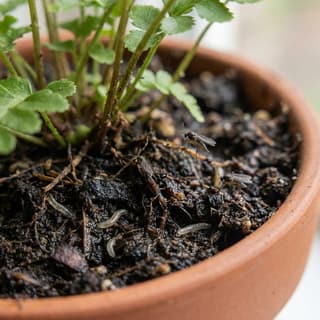
Fungus Gnats
Fungus gnats are small, gray-to-black mosquito-like insects (1/8 to 1/10 inches long) commonly found in indoor plants. Adult gnats are mostly a nuisance, but their larvae feed on plant roots and organic matter in soil, potentially causing serious damage to young or vulnerable plants. The larvae are translucent white with distinctive black heads and can leave slime trails on the soil surface in heavy infestations.
✓ Related symptoms:
- • Yellowing leaves without obvious cause
⚡ Quick Fixes:
Step 1
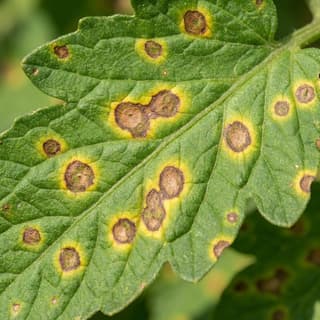
Leaf Spot
Leaf spot is a common fungal disease caused by various pathogens including Alternaria, Ascochyta, Colletotrichum, Septoria, and Venturia. It primarily affects leaves, causing discolored spots that can lead to premature leaf drop if left untreated.
✓ Related symptoms:
- • Circular brown, gray, black, or yellow spots on leaves
- • Yellow halo surrounding spots
⚡ Quick Fixes:
Remove all visibly infected leaves
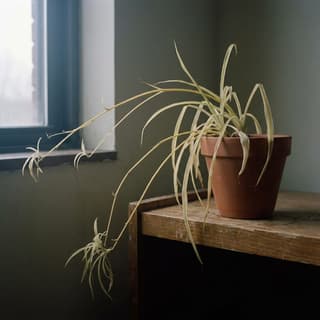
Low Light Stress
Low light stress, also known as etiolation, occurs when plants do not receive adequate light for proper growth and development. This leads to abnormal growth patterns characterized by elongated stems, pale leaves, and weakened overall structure as the plant attempts to reach toward available light sources.
✓ Related symptoms:
- • Pale, yellowish, or washed-out leaf coloration
- • Yellowing and dropping of older leaves
⚡ Quick Fixes:
Step 1
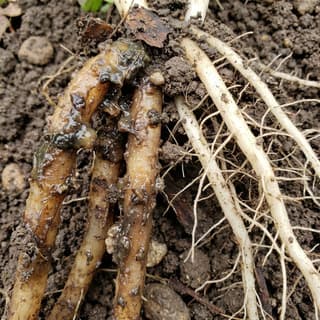
Root Rot
Root rot is a serious fungal disease that affects the root system of plants, causing them to decay and die. It is primarily caused by overwatering, poor drainage, or soil-borne fungi such as Pythium, Phytophthora, Rhizoctonia, and Fusarium. The disease thrives in waterlogged conditions where roots are deprived of oxygen, making them susceptible to fungal infection.
✓ Related symptoms:
- • Yellowing or browning of leaves
⚡ Quick Fixes:
Emergency unpotting
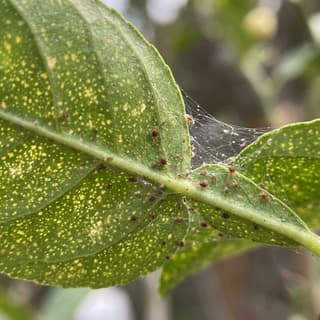
Spider Mites
Spider mites are tiny arachnids (less than 1/20 inch long) related to spiders and ticks that feed on plant sap. They thrive in hot, dry conditions and can cause significant damage to ornamental and vegetable plants. During severe infestations, crop losses can reach 14% or higher as these pests disrupt vital plant processes including photosynthesis, carbon dioxide absorption, and transpiration.
✓ Related symptoms:
- • Tiny yellow or white speckles on leaf surface (stippling)
- • Leaves taking on yellow or bronzed appearance
⚡ Quick Fixes:
Step 1