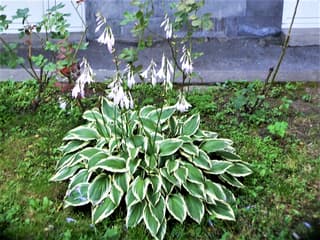
Wavy-Leaf Plantain Lily with Root Rot: Causes & Solutions
Hosta undulata
Wavy-Leaf Plantain Lily is a plant that needs low light and moderate watering. When showing root rot, it may indicate issues related to its environment or care.
Is your Wavy-Leaf Plantain Lily showing root rot? Discover 4 possible causes and how to treat them.
🔍 Possible Causes (4)
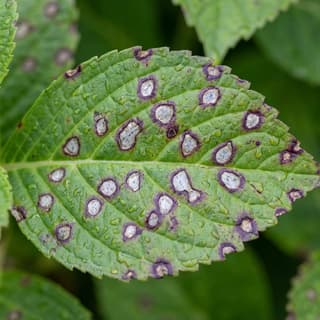
Cercospora Leaf Spot
Cercospora leaf spot is a common fungal disease caused by Cercospora species that affects many plant types, particularly beets, roses, and leafy vegetables. The disease thrives in warm, humid conditions and can cause significant defoliation, reducing plant vigor and yield. It spreads rapidly through water splash, wind, and contaminated tools.
✓ Related symptoms:
- • Spots coalesce into larger necrotic lesions
⚡ Quick Fixes:
Step 1
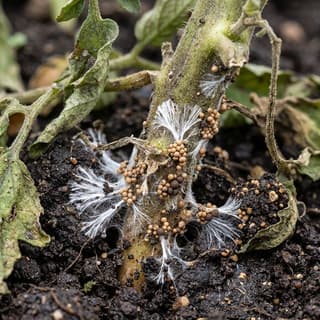
Southern Blight
Southern blight is a devastating soilborne fungal disease caused by Athelia rolfsii (formerly Sclerotium rolfsii), affecting over 500 plant species including vegetables, ornamentals, and fruit crops. The fungus survives in soil through resting structures called sclerotia that resemble mustard seeds and can remain viable for years.
✓ Related symptoms:
- • Spherical tan to reddish-brown sclerotia (1-2mm)
- • Crown and root rot
⚡ Quick Fixes:
Step 1
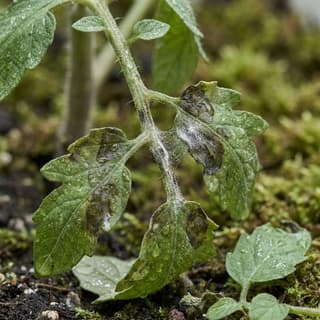
Phytophthora Blight
Devastating fungal disease caused by Phytophthora species (primarily P. capsici and P. infestans), famously responsible for the Irish Potato Famine in the 1840s. Affects all plant parts including roots, stems, leaves, and fruits in warm, wet conditions. The pathogen is technically an oomycete (water mold) that thrives in saturated soils and can survive in soil for 5+ years.
✓ Related symptoms:
- • Soft, water-soaked rot on fruit
- • Buckeye rot on tomatoes with concentric target-like pattern
⚡ Quick Fixes:
Immediately apply systemic fungicide (mefenoxam) as soil drench
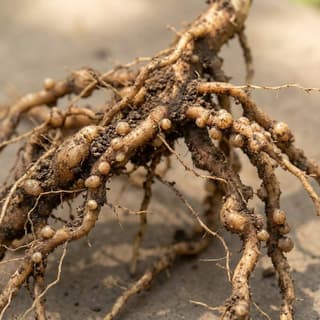
Root-Knot Nematodes
Root-knot nematodes (Meloidogyne species) are microscopic roundworms that parasitize plant roots, causing characteristic galls or knots. These soil-borne pests are among the most economically damaging plant pathogens worldwide, affecting a wide range of ornamental and edible plants. The nematodes inject enzymes into root cells, causing abnormal swelling and disrupting water and nutrient uptake.
✓ Related symptoms:
- • Discolored or necrotic root tips
⚡ Quick Fixes:
Step 1