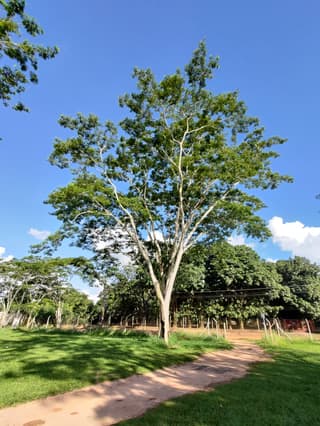
White Silk Tree with Falling Leaves: Pet-Safe Treatment
Albizia niopoides
White Silk Tree is a plant that needs bright light and infrequent watering. When showing falling leaves, it may indicate issues related to its environment or care.
Is your White Silk Tree showing falling leaves? Discover 4 possible causes and how to treat them.
🔍 Possible Causes (4)
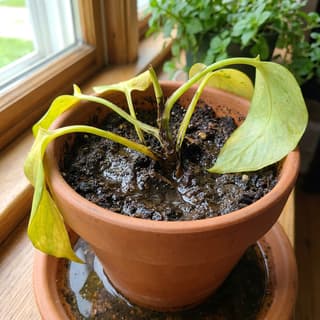
Overwatering
Overwatering occurs when plants receive too much water, depriving roots of oxygen and causing root rot. This environmental stress is one of the most common causes of houseplant death, as waterlogged soil prevents roots from breathing and functioning properly.
✓ Related symptoms:
- • Dropping leaves (both old and new) that may be green, brown, or yellow
⚡ Quick Fixes:
Step 1
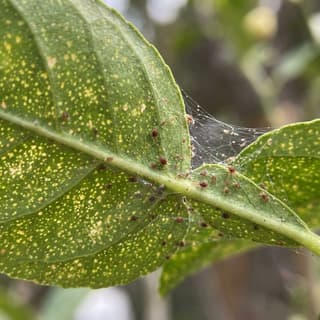
Spider Mites
Spider mites are tiny arachnids (less than 1/20 inch long) related to spiders and ticks that feed on plant sap. They thrive in hot, dry conditions and can cause significant damage to ornamental and vegetable plants. During severe infestations, crop losses can reach 14% or higher as these pests disrupt vital plant processes including photosynthesis, carbon dioxide absorption, and transpiration.
✓ Related symptoms:
- • Premature leaf drop and potential plant death
⚡ Quick Fixes:
Step 1

Root Rot
Root rot is a serious fungal disease that affects the root system of plants, causing them to decay and die. It is primarily caused by overwatering, poor drainage, or soil-borne fungi such as Pythium, Phytophthora, Rhizoctonia, and Fusarium. The disease thrives in waterlogged conditions where roots are deprived of oxygen, making them susceptible to fungal infection.
✓ Related symptoms:
- • Leaves dropping prematurely
⚡ Quick Fixes:
Emergency unpotting
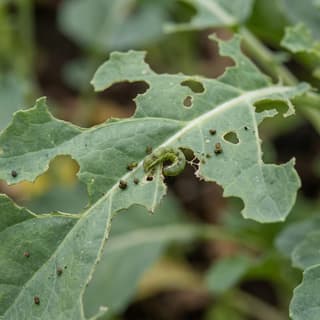
Caterpillars
Caterpillars are the larval stage of moths and butterflies that feed voraciously on plant foliage, stems, flowers, and fruits. Common species include cabbage loopers, tomato hornworms, armyworms, and cutworms. These pests can cause extensive damage by consuming large amounts of plant tissue in a short time. They vary in size from small (1/4 inch) to large (5 inches), with colors ranging from green to brown, often featuring stripes or spots. Caterpillars are highly mobile and can quickly spread throughout gardens, making them one of the most destructive common pests.
✓ Related symptoms:
- • Dark cylindrical droppings (frass) on leaves and soil
⚡ Quick Fixes:
Step 1