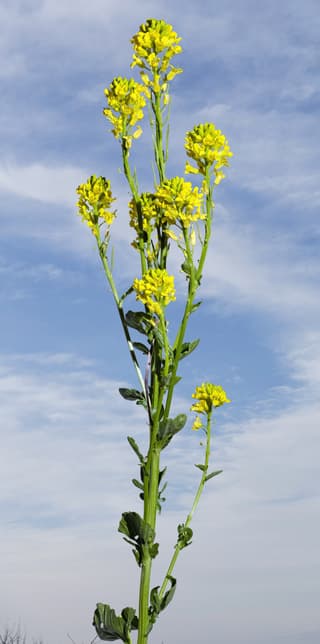
Wintercress with Falling Leaves: Pet-Safe Treatment
Barbarea vulgaris
Wintercress is a plant that needs bright light and moderate watering. When showing falling leaves, it may indicate issues related to its environment or care.
Is your Wintercress showing falling leaves? Discover 3 possible causes and how to treat them.
🔍 Possible Causes (3)
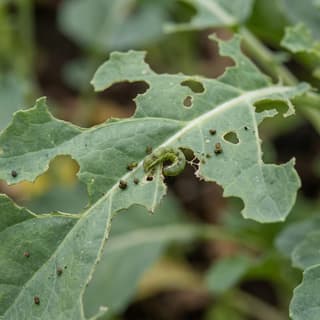
Caterpillars
Caterpillars are the larval stage of moths and butterflies that feed voraciously on plant foliage, stems, flowers, and fruits. Common species include cabbage loopers, tomato hornworms, armyworms, and cutworms. These pests can cause extensive damage by consuming large amounts of plant tissue in a short time. They vary in size from small (1/4 inch) to large (5 inches), with colors ranging from green to brown, often featuring stripes or spots. Caterpillars are highly mobile and can quickly spread throughout gardens, making them one of the most destructive common pests.
✓ Related symptoms:
- • Dark cylindrical droppings (frass) on leaves and soil
⚡ Quick Fixes:
Step 1
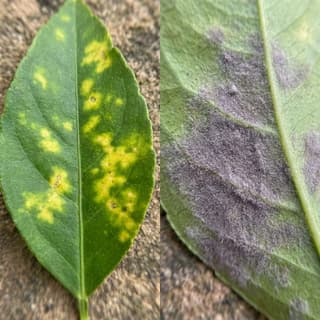
Downy Mildew
Downy mildew is a fungal-like disease caused by oomycetes (water molds) that thrives in cool, wet conditions. It affects a wide range of plants, causing yellowing leaves with fuzzy white-gray growth underneath, leading to defoliation and reduced yields if left untreated.
✓ Related symptoms:
- • Premature leaf drop
⚡ Quick Fixes:
Remove and destroy all infected plant parts. For severe infections, remove entire plant.
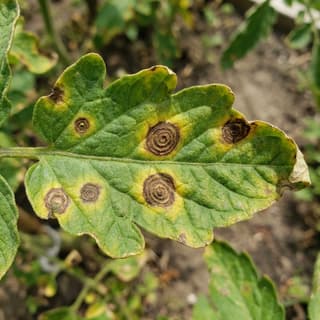
Alternaria Leaf Spot
Alternaria leaf spot is a common fungal disease caused by Alternaria solani and Alternaria alternata that affects a wide range of plants including tomatoes, potatoes, brassicas, and ornamentals. The disease thrives in warm, humid conditions and can cause significant crop damage if left untreated. Spores overwinter on plant debris and can attach to seeds, making complete elimination difficult.
✓ Related symptoms:
- • Premature leaf wilting and drop
⚡ Quick Fixes:
Step 1