105 Best Bladplanten for Southern Asia | 2026 Guide
The 105 best bladplanten to grow in Southern Asia. Ideal climate: 26.3°C, 58.3% humidity.
105 Bladplanten for Southern Asia
1-36 van 105 weergeven
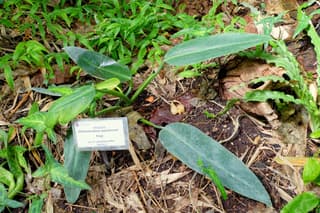
Fles Philodendron
Philodendron martianum
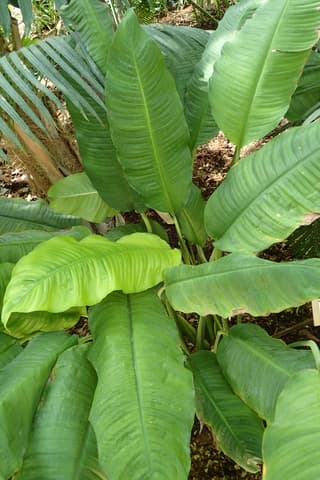
Komvredesbloem
Spathiphyllum cochlearispathum
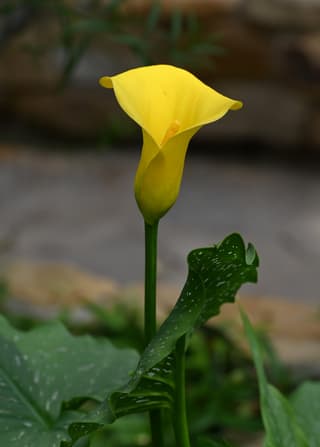
Gouden Aronskelk
Zantedeschia elliottiana
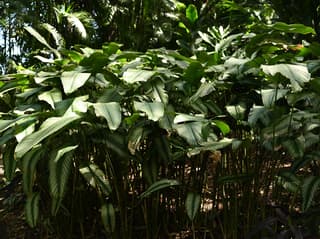
Pinstrepkalathea
Goeppertia ornata
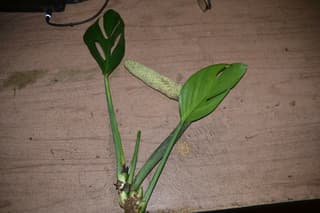
Monstera Peru
Monstera karstenianum
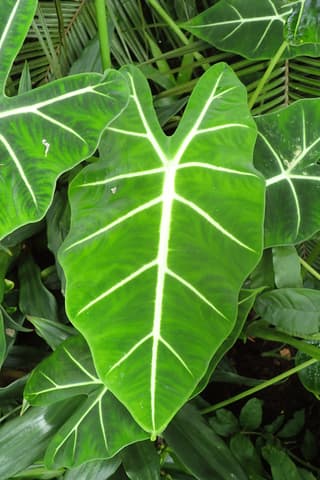
Groenfluweelachtige Alocasia
Alocasia micholitziana
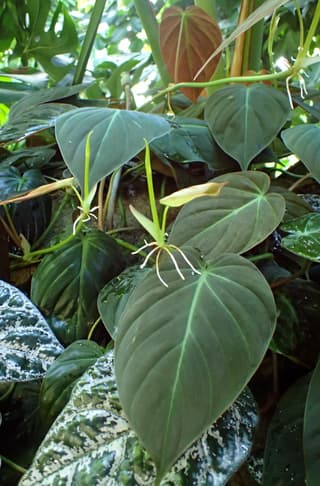
Filodendron
Philodendron
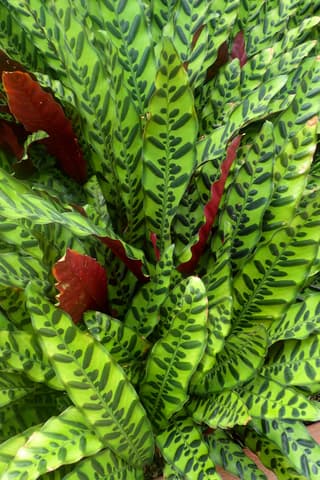
Ratelslangplant
Goeppertia insignis
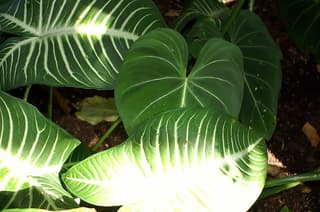
Witgeaderde Caladium
Caladium lindenii

Zilveren Scindapsus
Scindapsus treubii
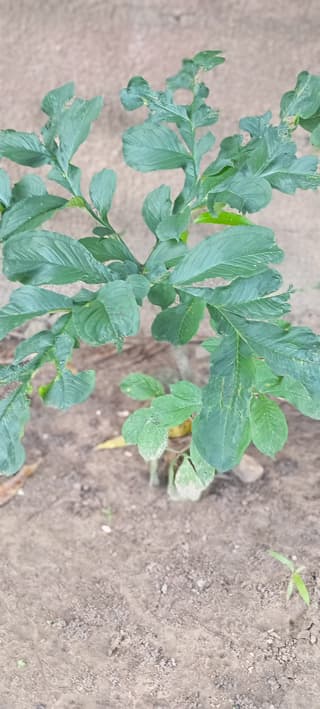
Konjac
Amorphophallus konjac
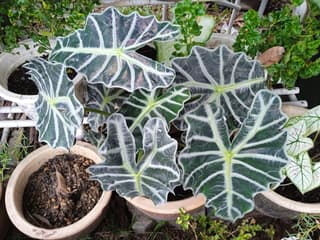
Alocasia Polly
Alocasia × mortfontanensis
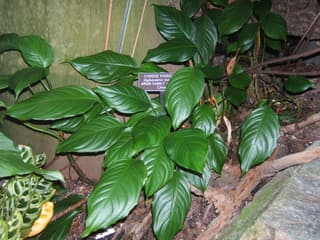
Chinees Groenblijvend
Aglaonema modestum
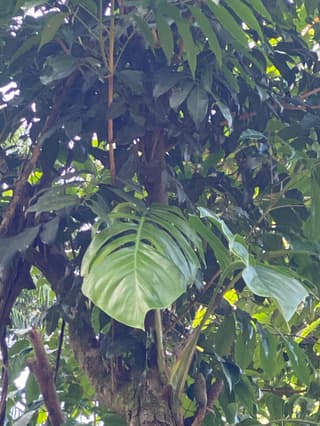
Pothos / Duivelswingel (geslacht)
Epipremnum
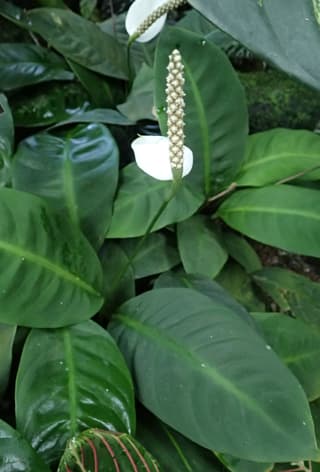
Sneeuwbloem
Spathiphyllum floribundum
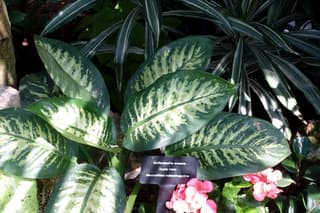
Reuzendomme Riet
Dieffenbachia amoena
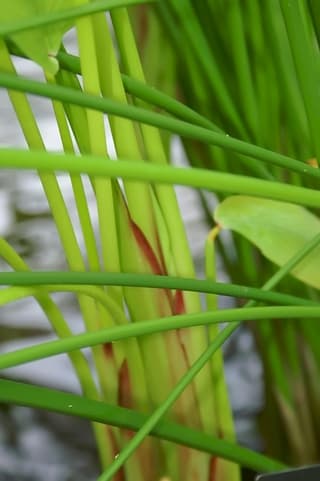
Gebogen Alligatorvlag
Thalia geniculata
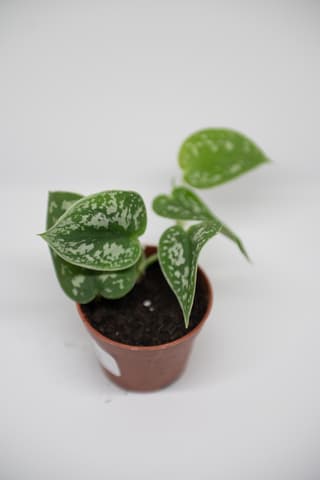
Hartbladfilodendron
Philodendron scandens
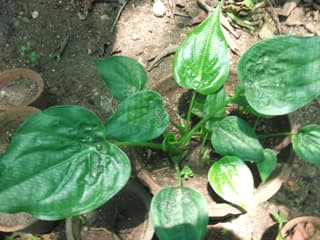
Chinese Taro
Alocasia cucullata
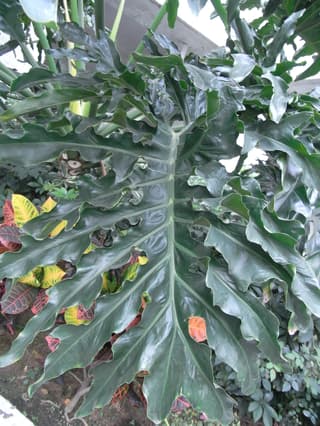
Boom Philodendron
Philodendron bipinnatifidum
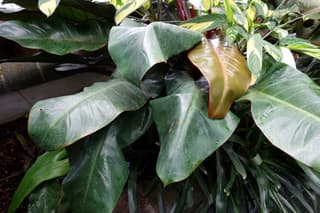
Blozende Philodendron
Philodendron erubescens
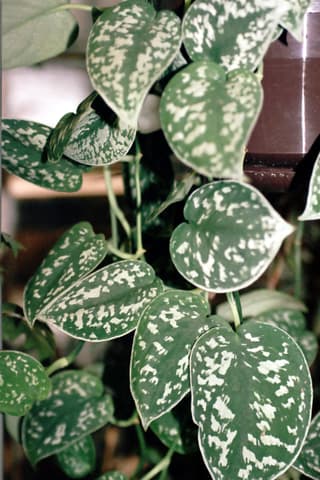
Satijn Pothos
Scindapsus pictus
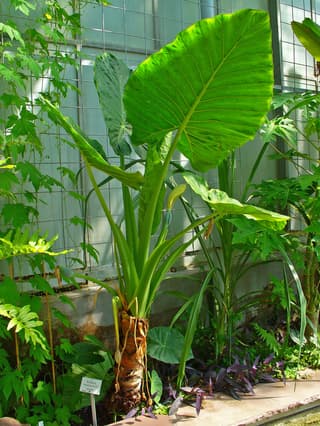
Reuzenaro
Alocasia macrorrhizos
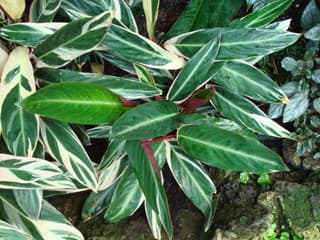
Nooit Nooit Plant
Ctenanthe oppenheimiana
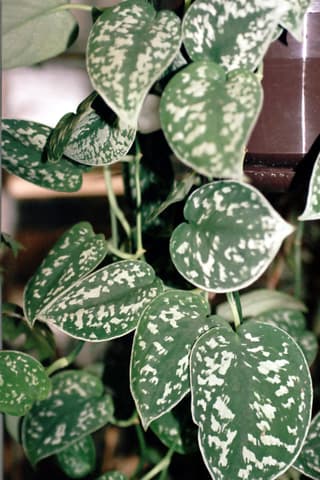
Satijn Pothos
Scindapsus pictus argyraeus
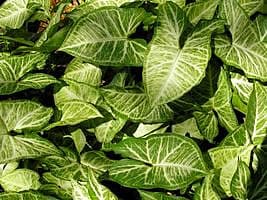
Vijf Vingers
Syngonium angustatum
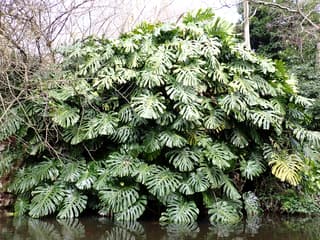
Gatenplant
Monstera
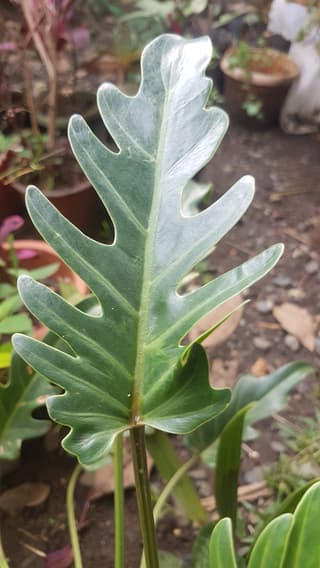
Xanadu Philodendron
Thaumatophyllum xanadu
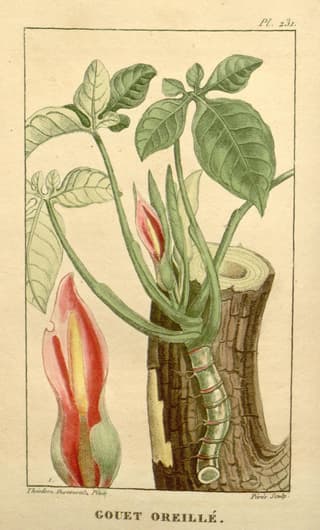
Vijfvingerige Filodendron
Syngonium auritum
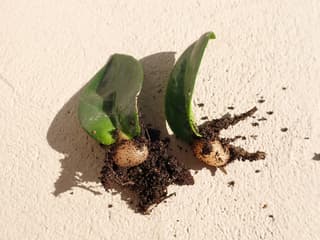
Dwerg ZZ-plant
Zamioculcas zamiifolia 'Zenzi'
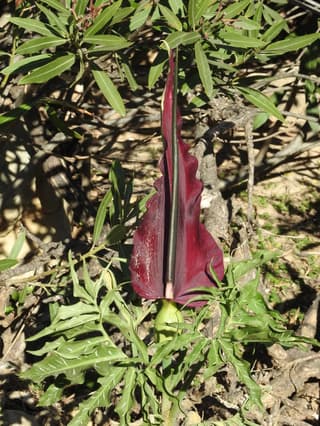
Drakenlelie
Dracunculus vulgaris
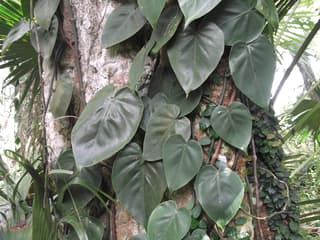
Hartblad Philodendron
Philodendron hederaceum
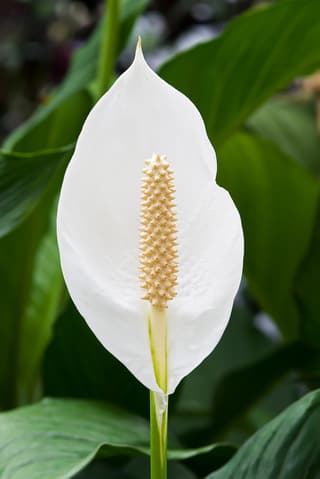
Lepelplant
Spathiphyllum
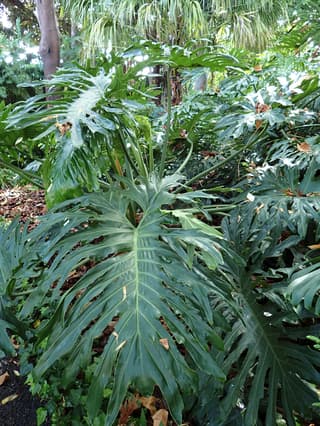
Boom Philodendron
Thaumatophyllum
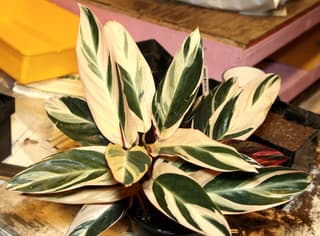
Driekleurige Stromanthe
Stromanthe thalia
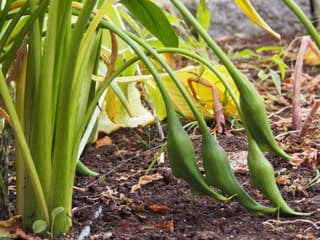
Roze Calla Lelie
Zantedeschia rehmannii
Ideal Bladplanten for Southern Asia's Climate
Southern Asia has an average temperature of 26.3°C and humidity of 58.3%, conditions that directly influence which bladplanten best adapt to the local environment.
How to Grow Bladplanten in Southern Asia
To successfully grow bladplanten in Southern Asia, consider that the average temperature of 26.3°C and humidity of 58.3% create a specific microclimate.
Advantages of Choosing Adapted Bladplanten
Bladplanten adapted to Southern Asia's climate show greater resistance, healthy growth, and less need for interventions.