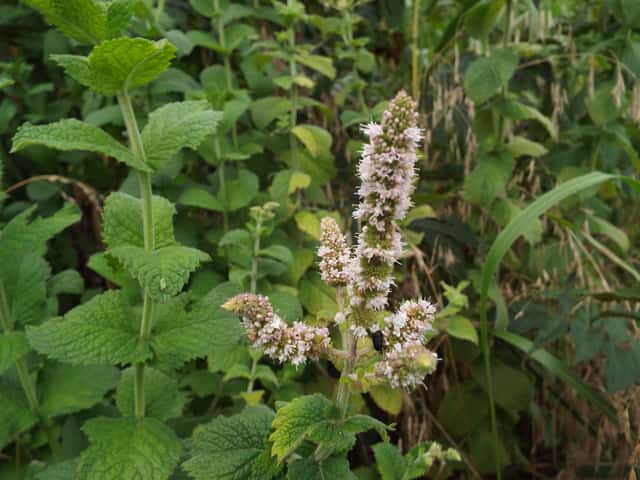
Lamiaceae
Apple Mint: Aromatic Plant
Mentha × rotundifolia
An easy-care herb ideal for beginners. Thrives in moist, well-draining soil in partial to full sun. Requires regular pruning to encourage bushy growth and prevent premature flowering. Best grown in containers to control its aggressive spreading habit.
Every 8 days
Bright indirect
-23° - 30°C
40% - 70%
Categories
What is Apple Mint?
Apple Mint (Mentha × rotundifolia) is a easy-care plant from the Lamiaceae family. Apple Mint (Mentha × rotundifolia) is a vigorous hybrid perennial herb in the Lamiaceae family, a natural cross between Mentha suaveolens and Mentha longifolia. It features soft, rounded, woolly leaves that release a pleasant fruity apple-like scent when crushed. Known for its fast, spreading growth...
Apple Mint grows up to 90cm, spread of 60cm, watering every 8 days, -23°C – 30°C, 40–70% humidity. It is suitable for indoor environments and not safe for pets.
Unlike many tropical plants, Apple Mint tolerates watering mistakes. Best for beginners. Without precautions, ingestion can cause irritation in pets. Keep out of reach of cats and dogs. Without adequate drainage, root rot can develop within 16 days.
How to Care for Apple Mint?
TLDR: Apple Mint needs Bright indirect, watering every 8 days, and temperatures between -23-30°C with 40-70% humidity.
How Often Should You Water Apple Mint?
Water every 7-10 days, keeping soil evenly moist but never waterlogged. In summer heat, check soil moisture more frequently. Insert a finger 2 cm into the soil — water when dry at that depth.
How Much Light Does Apple Mint Need?
Prefers full sun to partial shade with at least 4-6 hours of direct light daily. In very hot climates, afternoon shade helps prevent leaf scorch and keeps essential oils at their best.
What Is the Best Soil for Apple Mint?
Thrives in fertile, loamy, well-draining soil rich in organic matter. Ideal pH 6.0–7.0. Avoid compacted or waterlogged soils to prevent root rot. A mix with added compost supports lush, aromatic growth.
What Pot Should You Use for Apple Mint?
Best grown in medium terracotta or ceramic pots (20-30 cm diameter) for good airflow and drainage. If planting in garden beds, use a sunken container to restrict rhizome spread and prevent the plant from becoming invasive.
Care Schedule
Fertilize
Every 30 days
Misting
Every 3 days
Rotate
Every 7 days
Repot
Every 365 days
What Is Apple Mint and Where Does It Come From?
Apple Mint (Mentha × rotundifolia) is a vigorous hybrid perennial herb in the Lamiaceae family, a natural cross between Mentha suaveolens and Mentha longifolia. It features soft, rounded, woolly leaves that release a pleasant fruity apple-like scent when crushed. Known for its fast, spreading growth via underground rhizomes, it is a popular and easy-to-grow culinary and aromatic herb suitable for gardens and containers.
How Big Does Apple Mint Grow?
TLDR: Apple Mint can reach up to 90cm tall with Fast growth rate.
Max height
90cm
Spread
60cm
Growth rate
Fast
Foliage
Deciduous
Warning: Toxic Plant
This plant can be toxic if ingested. Keep out of reach of:
Plant Uses
Edible
Can be consumed
Medicinal
Medicinal properties
Aromatic
Pleasant fragrance
Medicinal Uses
- Mild digestive aid — tea for stomach upsets and indigestion
- Antipyretic — traditional tea for mild fevers and headaches
- Mild antiseptic and anti-inflammatory properties
- Topical use for minor skin irritations and insect bites
Culinary Uses
- Herbal teas and infusions
- Flavoring for salads, desserts, and sauces
- Garnish for cocktails and mocktails
- Ingredient in jellies, syrups, and lemonades
- Flavoring in confectionery and ice cream
Is your plant showing symptoms?
Click on the symptom to discover possible causes:
What Diseases Commonly Affect Apple Mint?
TLDR: Apple Mint is susceptible to 10 known diseases. Monitor regularly for early detection.
Powdery Mildew
Powdery mildew is a common fungal disease caused by various fungi species including Erysiphe, Podosphaera, Oïdium, and Leveillula. It affects over 10,000 plant species worldwide. The disease thrives in warm, dry climates with high humidity and appears as a distinctive white powdery coating on plant surfaces.
Rust
Rust is a common fungal disease caused by fungi in the order Pucciniales that affects a wide variety of plants. The disease gets its name from the characteristic orange, yellow, or reddish-brown pustules that appear on leaves, resembling metal rust. This obligate fungal parasite requires living plants to survive and can cause significant economic losses in agricultural crops.
Downy Mildew
Downy mildew is a fungal-like disease caused by oomycetes (water molds) that thrives in cool, wet conditions. It affects a wide range of plants, causing yellowing leaves with fuzzy white-gray growth underneath, leading to defoliation and reduced yields if left untreated.
Leaf Spot
Leaf spot is a common fungal disease caused by various pathogens including Alternaria, Ascochyta, Colletotrichum, Septoria, and Venturia. It primarily affects leaves, causing discolored spots that can lead to premature leaf drop if left untreated.
Meaning & Symbolism
Symbolizes freshness, vitality, and hospitality. In herbal traditions, mint is associated with protection, health, and prosperity, and is often used to welcome guests.
Compare with similar plants
| Attribute | Difficulty | Light | Watering | Pet Safe |
|---|---|---|---|---|
| Field Maple | Easy | Bright indirect | 14d | ✓ |
| Silver Birch | Easy | Direct sun | 14d | ✓ |
| Cushion Bush | Easy | Direct sun | 14d | ✓ |
| Peruvian peppertree | Easy | Direct sun | 14d | ⚠️ |





