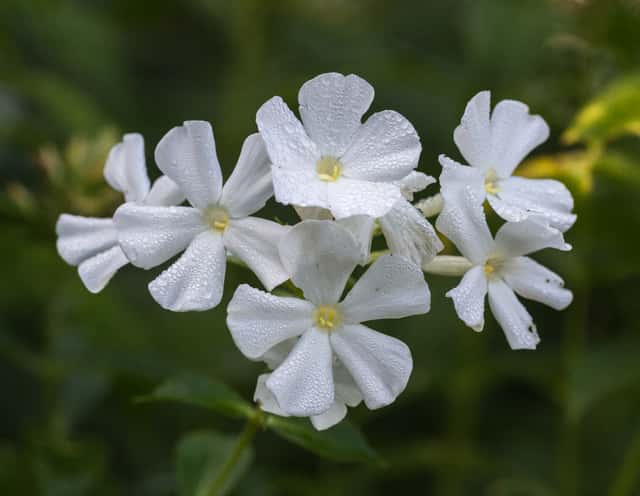
Polemoniaceae
Garden Phlox (Phlox paniculata): Complete Care Guide
Phlox paniculata
Garden Phlox thrives in full sun with consistently moist, well-draining soil. Water regularly at the base to avoid wetting foliage, which can promote powdery mildew. Provide good air circulation by spacing plants 18–24 inches apart. Fertilize every 6 weeks during the growing season. Cut stems back to the ground in late fall after frost.
Every 7 days
Bright indirect
-20° - 35°C
30% - 50%
Categories
What is Garden Phlox?
Garden Phlox (Phlox paniculata) is a medium-care plant from the Polemoniaceae family. Phlox paniculata, commonly known as Garden Phlox or Summer Phlox, is a fragrant, long-blooming herbaceous perennial native to eastern North America. It produces large, domed clusters of five-petaled flowers in shades of pink, purple, red, white, and lavender from mid-summer through fall, making it a...
Garden Phlox grows up to 1.2m, spread of 90cm, watering every 7 days, -20°C – 35°C, 30–50% humidity. It is not suitable for indoor environments and safe for pets.
Unlike many popular species, Garden Phlox is safe to keep around pets.
How to Care for Garden Phlox?
TLDR: Garden Phlox needs Bright indirect, watering every 7 days, and temperatures between -20-35°C with 30-50% humidity.
How Often Should You Water Garden Phlox?
Water at the base every 5–7 days during the growing season, keeping soil consistently moist but not waterlogged. Avoid overhead watering to reduce powdery mildew risk. During hot, dry spells, increase frequency. Mulching helps retain moisture and keeps roots cool.
How Much Light Does Garden Phlox Need?
Plant in full sun (6+ hours daily) for best bloom production. In hot climates, light afternoon shade can help prevent heat stress. Avoid deep shade, which weakens stems and reduces flowering.
What Is the Best Soil for Garden Phlox?
Prefers rich, loamy, well-draining soil with a pH of 6.0–7.5. Amend with compost before planting to improve fertility and moisture retention. Avoid heavy clay or sandy soils; if clay-heavy, add grit to improve drainage.
What Pot Should You Use for Garden Phlox?
Large container or garden bed with good drainage; terracotta or fabric pots work well for container growing
Care Schedule
Fertilize
Every 42 days
What Is Garden Phlox and Where Does It Come From?
Phlox paniculata, commonly known as Garden Phlox or Summer Phlox, is a fragrant, long-blooming herbaceous perennial native to eastern North America. It produces large, domed clusters of five-petaled flowers in shades of pink, purple, red, white, and lavender from mid-summer through fall, making it a staple of cottage and perennial gardens. The plant grows 2–4 feet tall and spreads 2–3 feet wide, returning reliably each year.
How to Propagate Garden Phlox?
Crown Division
Divide every 2–3 years to rejuvenate plants and maintain vigor. Discard the woody central portion and replant the outer sections.
- 1 Dig up the entire clump in early spring before new growth emerges
- 2 Use a sharp spade or knife to divide the clump into sections, each with 3–5 healthy shoots and roots
- 3 Replant divisions immediately at the same depth, spacing them 18–24 inches apart
- 4 Water thoroughly and mulch to retain moisture
Materials needed:
Stem Cutting
Mist cuttings daily. Rooting success is higher with bottom heat.
- 1 Take 3–4 inch softwood stem cuttings in late spring
- 2 Remove lower leaves and dip the cut end in rooting hormone
- 3 Insert into moist perlite or seed-starting mix
- 4 Keep in a warm location with indirect light and maintain consistent moisture until rooted
Materials needed:
How Big Does Garden Phlox Grow?
TLDR: Garden Phlox can reach up to 1.2m tall with Medium growth rate.
Max height
1.2m
Spread
90cm
Growth rate
Medium
Foliage
Deciduous
Plant Uses
Ornamental
Great for decoration
Is your plant showing symptoms?
Click on the symptom to discover possible causes:
What Diseases Commonly Affect Garden Phlox?
TLDR: Garden Phlox is susceptible to 7 known diseases. Monitor regularly for early detection.
Powdery Mildew
Powdery mildew is a common fungal disease caused by various fungi species including Erysiphe, Podosphaera, Oïdium, and Leveillula. It affects over 10,000 plant species worldwide. The disease thrives in warm, dry climates with high humidity and appears as a distinctive white powdery coating on plant surfaces.
Leaf Spot
Leaf spot is a common fungal disease caused by various pathogens including Alternaria, Ascochyta, Colletotrichum, Septoria, and Venturia. It primarily affects leaves, causing discolored spots that can lead to premature leaf drop if left untreated.
Root Rot
Root rot is a serious fungal disease that affects the root system of plants, causing them to decay and die. It is primarily caused by overwatering, poor drainage, or soil-borne fungi such as Pythium, Phytophthora, Rhizoctonia, and Fusarium. The disease thrives in waterlogged conditions where roots are deprived of oxygen, making them susceptible to fungal infection.
Gray Mold (Botrytis Blight)
Gray mold, caused by the fungus Botrytis cinerea, is one of the most common fungal diseases in plants. It affects over 200 plant species, including ornamentals, vegetables, fruits, and houseplants. The disease thrives in cool, humid conditions with poor air circulation, causing grayish spots and soft rot on infected tissues.
Meaning & Symbolism
Garden Phlox symbolizes unity, harmony, and sweet dreams. Its fragrant clusters have long been associated with agreement and the soul in the language of flowers.
Fun Facts
Garden Phlox is native to the eastern United States and was first cultivated in Europe in the early 1700s, where it quickly became a cottage garden favorite.
The genus name Phlox comes from the Greek word for "flame," referring to the vibrant flower colors.
A single Garden Phlox panicle can contain over 100 individual florets, each with a sweet, clove-like fragrance.
Hummingbirds, butterflies, and sphinx moths are among the primary pollinators attracted to Garden Phlox blooms.
Frequently asked questions
How often should I water Garden Phlox?
Why does my Garden Phlox get powdery mildew?
Is Garden Phlox toxic to pets?
When should I divide Garden Phlox?
When does Garden Phlox bloom?
Compare with similar plants
| Attribute | Difficulty | Light | Watering | Pet Safe |
|---|---|---|---|---|
| Dark Fieldcap | Medium | Low light | 2d | ⚠️ |
| Azalea | Medium | Partial shade | 3d | ⚠️ |
| Bougainvillea | Medium | Direct sun | 7d | ⚠️ |
| Wild Lettuce | Medium | Direct sun | 7d | ⚠️ |



