Agavaceae
Butterfly Agave (Agave potatorum): Complete Care Guide
Agave potatorum
Extremely resilient, low-maintenance plant. Prefers full sun, sandy well-draining soil, and infrequent watering. No fertilization, misting, or frequent repotting needed. Tolerates extended droughts and light frosts down to -5°C when soil is dry.
Every 14 days
Direct sun
-5° - 40°C
20% - 50%
Categories
What is Butterfly Agave?
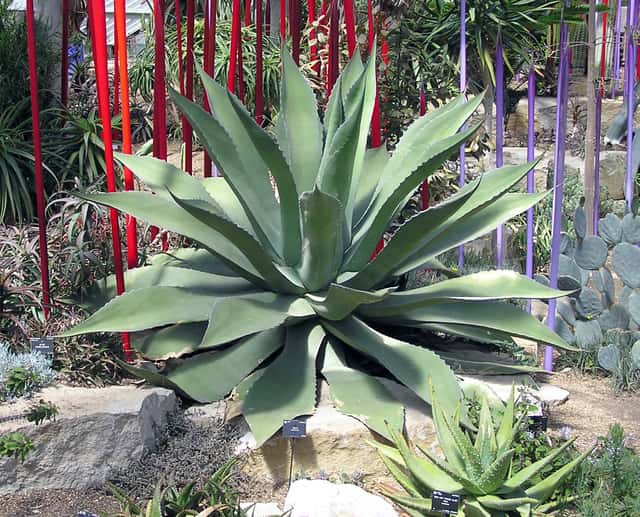
Butterfly Agave (Agave potatorum) is a easy-care plant from the Agavaceae family. Agave potatorum, commonly known as Butterfly Agave or Tobala, is a compact rosette succulent native to the highlands of Oaxaca and Puebla, Mexico. Slow-growing and small in stature, its gray-green leaves with terminal spines form an elegant rosette up to 1.2 m tall and 1.5 m wide. It is monocarpic —...
Butterfly Agave grows up to 1.2m, spread of 150cm, watering every 14 days, -5°C – 40°C, 20–50% humidity. It is suitable for indoor environments and not safe for pets.
Unlike many tropical plants, Butterfly Agave tolerates watering mistakes. Best for beginners. Without precautions, ingestion can cause irritation in pets. Keep out of reach of cats and dogs. Without adequate drainage, root rot can develop within 28 days.
How to Care for Butterfly Agave?
TLDR: Butterfly Agave needs Direct sun, watering every 14 days, and temperatures between -5-40°C with 20-50% humidity.
How Often Should You Water Butterfly Agave?
Water every 14 days in summer, always waiting for the soil to dry out completely. In winter, suspend or minimize watering. Overwatering is the primary cause of death for this plant.
How Much Light Does Butterfly Agave Need?
Requires full sun — at least 6 hours of direct light per day. Indoors, place near south- or west-facing windows. Insufficient light slows growth and fades leaf color.
What Is the Best Soil for Butterfly Agave?
Use sandy, well-draining cactus/succulent mix. Avoid compact or moisture-retaining soils. A pot with drainage holes is essential.
What Pot Should You Use for Butterfly Agave?
Terracotta or unglazed ceramic pot that allows substrate to breathe and prevents moisture buildup. Choose a snug size — agaves prefer limited root space.
What Is Butterfly Agave and Where Does It Come From?
Agave potatorum, commonly known as Butterfly Agave or Tobala, is a compact rosette succulent native to the highlands of Oaxaca and Puebla, Mexico. Slow-growing and small in stature, its gray-green leaves with terminal spines form an elegant rosette up to 1.2 m tall and 1.5 m wide. It is monocarpic — flowering only once in its lifetime, producing a towering 4–6 m flower spike, then dying and leaving offsets as its legacy.
How to Propagate Butterfly Agave?
Basal Offset Division
Wear thick gloves when handling — the spines are sharp. Do not water immediately after planting.
- 1 Wait for the basal offset to reach at least 10 cm in height
- 2 Remove the offset with a clean, sharp knife, keeping some roots if possible
- 3 Let the offset dry in shade for 2-3 days to allow the cut to callous
- 4 Plant in dry sandy substrate and wait 1 week before first watering
Materials needed:
Seed Sowing
Seeds lose viability quickly — use them soon after harvest. Germination may take 2-4 weeks.
- 1 Collect fresh seeds after flowering (the parent plant dies after blooming)
- 2 Sow in slightly moist sandy substrate
- 3 Keep in a semi-shaded, warm location (20-28°C)
- 4 Transplant seedlings once they reach 5 cm in height
Materials needed:
How Big Does Butterfly Agave Grow?
TLDR: Butterfly Agave can reach up to 1.2m tall with Slow growth rate.
Max height
1.2m
Spread
1.5m
Growth rate
Slow
Foliage
Evergreen
Warning: Toxic Plant
This plant can be toxic if ingested. Keep out of reach of:
Plant Uses
Ornamental
Great for decoration
Edible
Can be consumed
Medicinal
Medicinal properties
Medicinal Uses
- Natural anti-inflammatory
- Diuretic
- Topical wound healing
Culinary Uses
- Mezcal production
- Pulque production
- Natural sweetener (agave syrup)
Is your plant showing symptoms?
Click on the symptom to discover possible causes:
What Diseases Commonly Affect Butterfly Agave?
TLDR: Butterfly Agave is susceptible to 5 known diseases. Monitor regularly for early detection.
Root Rot
Root rot is a serious fungal disease that affects the root system of plants, causing them to decay and die. It is primarily caused by overwatering, poor drainage, or soil-borne fungi such as Pythium, Phytophthora, Rhizoctonia, and Fusarium. The disease thrives in waterlogged conditions where roots are deprived of oxygen, making them susceptible to fungal infection.
Crown Rot
Crown rot is a serious fungal disease that attacks the crown (base) of the plant where the stem meets the soil. It is caused by various fungal pathogens including Phytophthora, Fusarium, and Rhizoctonia. The disease thrives in waterlogged conditions and can quickly spread to kill the entire plant if not addressed promptly.
Leaf Spot
Leaf spot is a common fungal disease caused by various pathogens including Alternaria, Ascochyta, Colletotrichum, Septoria, and Venturia. It primarily affects leaves, causing discolored spots that can lead to premature leaf drop if left untreated.
Mealybugs
Mealybugs are small, soft-bodied insects covered with a white, waxy, cottony material. They are common pests of houseplants and outdoor plants in mild climates. These sap-sucking insects feed on plant tissue, causing damage, stunted growth, and can lead to plant death if left untreated. They produce sticky honeydew which attracts sooty mold.
Meaning & Symbolism
Resilience, longevity, and sacrifice — the agave blooms only once at the end of its life, becoming a symbol of total dedication and giving.
Fun Facts
Agave potatorum is one of the most prized agaves for artisanal mezcal production — tobala mezcal is considered rare and sophisticated.
The flower spike can reach 6 meters tall — more than 5 times the height of the plant itself!
It is monocarpic: it blooms only once in its entire life, after 10 to 25 years, and dies shortly after.
It naturally grows at altitudes of 1,200 to 2,250 meters in the mountains of Oaxaca and Puebla, Mexico.
Frequently asked questions
How often should I water Butterfly Agave?
Is Butterfly Agave toxic to pets?
Why is my Butterfly Agave dying?
Can Butterfly Agave grow indoors?
Does Agave potatorum bloom more than once?
Compare with similar plants
| Attribute | Difficulty | Light | Watering | Pet Safe |
|---|---|---|---|---|
| Field Maple | Easy | Bright indirect | 14d | ✓ |
| Silver Birch | Easy | Direct sun | 14d | ✓ |
| Cushion Bush | Easy | Direct sun | 14d | ✓ |
| Peruvian peppertree | Easy | Direct sun | 14d | ⚠️ |