Simaroubaceae
Tree of Heaven (Ailanthus): How to Grow and Care For It
Ailanthus
The Tree of Heaven is a highly adaptable tree requiring minimal care once established. Plant in full sun to partial shade in well-draining soil. Water moderately during establishment; once rooted it is extremely drought-tolerant. Annual pruning helps manage vigorous growth. Important: this is an invasive species — check local regulations before planting.
Every 14 days
Direct sun
-15° - 35°C
30% - 70%
Categories
What is Tree of Heaven?
Tree of Heaven (Ailanthus) is a easy-care plant from the Simaroubaceae family. The Tree of Heaven (Ailanthus altissima) is an extremely fast-growing deciduous tree native to northern China and Taiwan. Belonging to the family Simaroubaceae, it can reach up to 25 metres in height and is renowned for its extraordinary resilience in harsh urban environments, tolerating pollution,...
Tree of Heaven grows up to 25.0m, spread of 1500cm, watering every 14 days, -15°C – 35°C, 30–70% humidity. It is not suitable for indoor environments and safe for pets.
Unlike many tropical plants, Tree of Heaven tolerates watering mistakes. Best for beginners. Unlike many popular species, Tree of Heaven is safe to keep around pets.
How to Care for Tree of Heaven?
TLDR: Tree of Heaven needs Direct sun, watering every 14 days, and temperatures between -15-35°C with 30-70% humidity.
How Often Should You Water Tree of Heaven?
During the first year after planting, water every 10 to 14 days, allowing the soil to dry slightly between waterings. Once established (after 1-2 years), Ailanthus is highly drought-tolerant and rarely needs supplemental watering except during severe drought conditions.
How Much Light Does Tree of Heaven Need?
Ailanthus prefers full sun and tolerates partial shade. Plant in a location that receives at least 6 hours of direct sunlight per day. The tree grows most vigorously and develops a denser canopy with abundant light.
What Is the Best Soil for Tree of Heaven?
Ailanthus tolerates virtually any soil type, including poor, compacted, acidic, or alkaline conditions. It prefers well-draining loamy soils with a pH between 5.5 and 8.0. Avoid waterlogged soils as overly wet roots can develop root rot, one of the few conditions that can harm this resilient tree.
What Pot Should You Use for Tree of Heaven?
As a large tree, Ailanthus is not suitable for indoor container growing. For nursery purposes or young transplants, use large plastic or terracotta pots (minimum 20L) with adequate drainage holes.
What Is Tree of Heaven and Where Does It Come From?
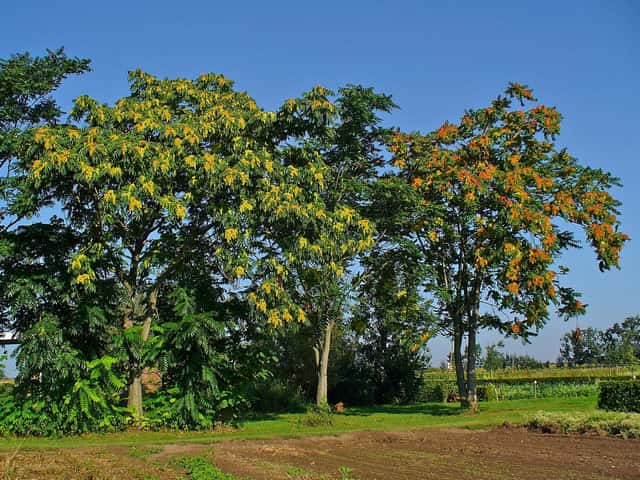
The Tree of Heaven (Ailanthus altissima) is an extremely fast-growing deciduous tree native to northern China and Taiwan. Belonging to the family Simaroubaceae, it can reach up to 25 metres in height and is renowned for its extraordinary resilience in harsh urban environments, tolerating pollution, poor soils, drought, and extreme temperatures. While classified as an invasive species in most temperate regions worldwide, Ailanthus has a rugged beauty with its large, pinnately compound leaves. The plant contains allelopathic compounds that inhibit the growth of surrounding vegetation, and contact with its sap may cause contact dermatitis in sensitive individuals. It carries mild toxicity and should be handled with care, especially during pruning.
How to Propagate Tree of Heaven?
Seed propagation
Ailanthus germinates readily without scarification or stratification. Natural germination rates are very high.
- 1 Collect seeds in September-November when the samaras are fully ripe
- 2 Store seeds in a dry place until spring
- 3 Sow in light, well-draining substrate at 1 cm depth
- 4 Keep slightly moist in a bright location
- 5 Transplant to final position when seedlings reach 15-20 cm
Materials needed:
Root cuttings
Ailanthus naturally resprouts after cutting, making root cuttings very effective. Wear gloves when handling roots to avoid skin irritation.
- 1 Expose lateral roots of 1-2 cm diameter in autumn or early spring
- 2 Cut 10-15 cm root sections
- 3 Plant vertically in moist substrate with top end at soil level
- 4 Keep in a warm, bright location until sprouting
- 5 Transplant once the cutting is established
Materials needed:
How Big Does Tree of Heaven Grow?
TLDR: Tree of Heaven can reach up to 25.0m tall with Fast growth rate.
Max height
25.0m
Spread
15.0m
Growth rate
Fast
Foliage
Deciduous
Warning: Toxic Plant
This plant can be toxic if ingested. Keep out of reach of:
Plant Uses
Ornamental
Great for decoration
Medicinal
Medicinal properties
Medicinal Uses
- Bark used in traditional Chinese medicine as an astringent and antiparasitic agent
- Ailanthone extract investigated as a potential antitumoral agent and natural herbicide in modern research
- Leaves and bark studied for antimicrobial properties
Is your plant showing symptoms?
Click on the symptom to discover possible causes:
What Diseases Commonly Affect Tree of Heaven?
TLDR: Tree of Heaven is susceptible to 11 known diseases. Monitor regularly for early detection.
Verticillium Wilt
Verticillium wilt is a soil-borne fungal disease caused primarily by the fungi Verticillium dahliae and V. albo-atrum. These pathogens infect plant roots and grow within the vascular tissues, blocking water and nutrient transport, resulting in wilting and eventual plant death. The disease affects over 350 plant species including vegetables, fruits, ornamental flowers, and trees. The fungi can survive in soil for more than 10 years as resistant structures called microsclerotia.
Root Rot
Root rot is a serious fungal disease that affects the root system of plants, causing them to decay and die. It is primarily caused by overwatering, poor drainage, or soil-borne fungi such as Pythium, Phytophthora, Rhizoctonia, and Fusarium. The disease thrives in waterlogged conditions where roots are deprived of oxygen, making them susceptible to fungal infection.
Phytophthora Root Rot
Disease caused by fungus-like organisms (oomycetes) that live in soil and can survive for years. It affects roots, stem, and crown of plants, being especially severe in waterlogged or poorly drained soils. It is the second most common cause of root rot in trees and shrubs.
Canker
Canker is a disease caused by various fungi and bacteria that create necrotic, sunken areas on bark of branches, stems, and trunks. Pathogens enter through wounds and natural openings, especially when plants are stressed. Canker can gradually weaken or kill branches by disrupting water and nutrient flow.
Meaning & Symbolism
The Tree of Heaven symbolises resilience, endurance, and survival against all odds. In Chinese culture it represents perseverance and the ability to thrive under adversity. In Western literature, it became an icon of nature's refusal to surrender to urbanisation, famously inspiring Betty Smith's novel "A Tree Grows in Brooklyn."
Fun Facts
Ailanthus can grow up to 1-2 metres per year in its first four years, making it possibly the fastest-growing tree in North America
Its winged samaras can travel hundreds of metres on the wind, contributing to its remarkably successful spread
It inspired Betty Smith's 1943 novel "A Tree Grows in Brooklyn," becoming a symbol of human resilience
Ailanthus produces ailanthone, a chemical compound that inhibits competing plant growth — a natural example of chemical warfare between plants
Frequently asked questions
Is the Tree of Heaven toxic to pets?
How often should I water Ailanthus?
Can I plant Ailanthus anywhere?
How do I control the growth of Ailanthus?
Is Ailanthus an air-purifying plant?
Compare with similar plants
| Attribute | Difficulty | Light | Watering | Pet Safe |
|---|---|---|---|---|
| Field Maple | Easy | Bright indirect | 14d | ✓ |
| Silver Birch | Easy | Direct sun | 14d | ✓ |
| Cushion Bush | Easy | Direct sun | 14d | ✓ |
| Peruvian peppertree | Easy | Direct sun | 14d | ⚠️ |