Betulaceae
Alder: Medicinal Uses & Care Tips
Alnus
Alder is an undemanding, fast-growing tree suitable for moist to wet, heavy soils near water banks; it requires minimal care and does not need fertilization or regular pruning.
Every 7 days
Bright indirect
-35° - 35°C
40% - 80%
Categories
What is Alder?
Alder (Alnus) is a easy-care plant from the Betulaceae family. Alder (genus Alnus) is a deciduous tree from the birch family (Betulaceae), growing predominantly near watercourses, lakes, and in moist soils across the temperate zone of the Northern Hemisphere. It is characterized by rapid growth and the ability to fix atmospheric nitrogen through symbiosis with...
Alder grows up to 30.0m, spread of 1200cm, watering every 7 days, -35°C – 35°C, 40–80% humidity. It is not suitable for indoor environments and safe for pets.
Unlike many tropical plants, Alder tolerates watering mistakes. Best for beginners. Unlike many popular species, Alder is safe to keep around pets.
How to Care for Alder?
TLDR: Alder needs Bright indirect, watering every 7 days, and temperatures between -35-35°C with 40-80% humidity.
How Often Should You Water Alder?
It thrives best in permanently moist to wet soil—water regularly after planting; mature trees near water sources are typically self-sufficient.
How Much Light Does Alder Need?
It grows best in full sun but can also tolerate partial shade.
What Is the Best Soil for Alder?
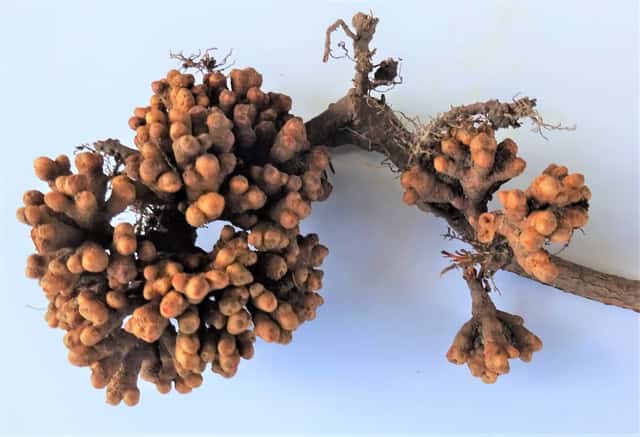
It tolerates heavy, clayey, and poor soils, preferring slightly acidic to alkaline, moist to wet substrates; thanks to symbiosis with Frankia bacteria, it enriches the soil with nitrogen on its own.
What Pot Should You Use for Alder?
Alder is grown almost exclusively outdoors in open ground; it is not suitable for containers, though young saplings can be temporarily kept in a large container with good drainage before final planting.
What Is Alder and Where Does It Come From?
Alder (genus Alnus) is a deciduous tree from the birch family (Betulaceae), growing predominantly near watercourses, lakes, and in moist soils across the temperate zone of the Northern Hemisphere. It is characterized by rapid growth and the ability to fix atmospheric nitrogen through symbiosis with Frankia bacteria, which enriches the surrounding soil. In early spring, before the leaves emerge, it blooms with striking pendulous catkins. Alder wood does not rot when submerged in water, which is why it was traditionally used for building piles and bridge structures.
How Big Does Alder Grow?
TLDR: Alder can reach up to 30.0m tall with Fast growth rate.
Max height
30.0m
Spread
12.0m
Growth rate
Fast
Foliage
Deciduous
Plant Uses
Ornamental
Great for decoration
Medicinal
Medicinal properties
Air Purifying
Improves air quality
Medicinal Uses
- The bark is traditionally used to relieve inflammation and swelling
- A decoction of the bark acts as an astringent and disinfectant for wounds
- Used in folk medicine for fever and rheumatic complaints
Culinary Uses
- Alder wood is traditionally used for smoking fish and meat
Is your plant showing symptoms?
Click on the symptom to discover possible causes:
What Diseases Commonly Affect Alder?
TLDR: Alder is susceptible to 5 known diseases. Monitor regularly for early detection.
Phytophthora Root Rot
Disease caused by fungus-like organisms (oomycetes) that live in soil and can survive for years. It affects roots, stem, and crown of plants, being especially severe in waterlogged or poorly drained soils. It is the second most common cause of root rot in trees and shrubs.
Canker
Canker is a disease caused by various fungi and bacteria that create necrotic, sunken areas on bark of branches, stems, and trunks. Pathogens enter through wounds and natural openings, especially when plants are stressed. Canker can gradually weaken or kill branches by disrupting water and nutrient flow.
Rust
Rust is a common fungal disease caused by fungi in the order Pucciniales that affects a wide variety of plants. The disease gets its name from the characteristic orange, yellow, or reddish-brown pustules that appear on leaves, resembling metal rust. This obligate fungal parasite requires living plants to survive and can cause significant economic losses in agricultural crops.
Caterpillars
Caterpillars are the larval stage of moths and butterflies that feed voraciously on plant foliage, stems, flowers, and fruits. Common species include cabbage loopers, tomato hornworms, armyworms, and cutworms. These pests can cause extensive damage by consuming large amounts of plant tissue in a short time. They vary in size from small (1/4 inch) to large (5 inches), with colors ranging from green to brown, often featuring stripes or spots. Caterpillars are highly mobile and can quickly spread throughout gardens, making them one of the most destructive common pests.
Meaning & Symbolism
In Celtic mythology, the alder symbolizes courage, protection, and rebirth—a tree associated with water and the transition between worlds.
Compare with similar plants
| Attribute | Difficulty | Light | Watering | Pet Safe |
|---|---|---|---|---|
| Field Maple | Easy | Bright indirect | 14d | ✓ |
| Silver Birch | Easy | Direct sun | 14d | ✓ |
| Common Blanketflower | Easy | Direct sun | 10d | ✓ |
| Cushion Bush | Easy | Direct sun | 14d | ✓ |





