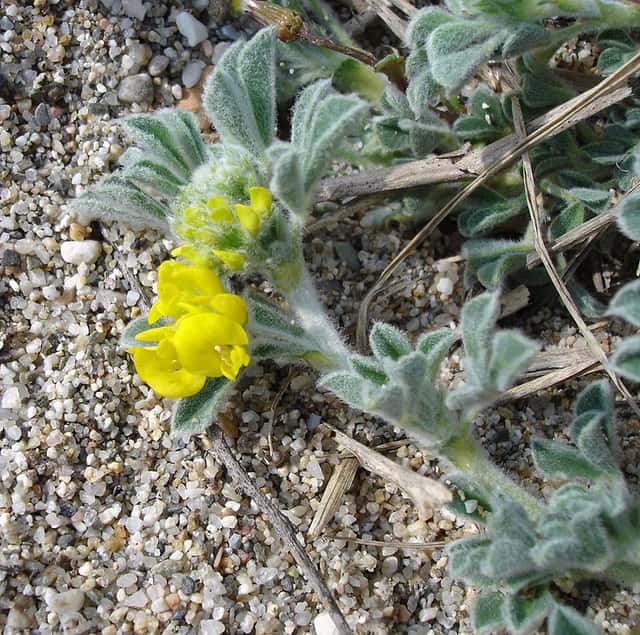
Fabaceae
Medick – The Medicago Genus (Alfalfa & Burclover)
Medicago
Grow in full sun with well-draining, slightly alkaline soil. Water deeply but infrequently; the deep taproot provides excellent drought tolerance. No nitrogen fertilizer needed due to biological fixation. Light pruning after flowering encourages vigorous regrowth.
Every 14 days
Direct sun
-20° - 40°C
30% - 60%
Categories
What is Medick?
Medick (Medicago) is a easy-care plant from the Fabaceae family. Medicago is a genus of 87–105 species of flowering plants in the legume family Fabaceae, native to the Mediterranean Basin and extending across temperate Eurasia and sub-Saharan Africa. The genus includes alfalfa (M. sativa), one of the world's most important forage crops, and black medick (M. lupul...
Medick grows up to 1.0m, spread of 60cm, watering every 14 days, -20°C – 40°C, 30–60% humidity. It is not suitable for indoor environments and safe for pets.
Unlike many tropical plants, Medick tolerates watering mistakes. Best for beginners. Unlike many popular species, Medick is safe to keep around pets.
How to Care for Medick?
TLDR: Medick needs Direct sun, watering every 14 days, and temperatures between -20-40°C with 30-60% humidity.
How Often Should You Water Medick?
Water deeply every 10–14 days, allowing soil to dry between waterings. Avoid waterlogging — the deep taproot makes Medicago highly drought-tolerant. Overwatering is a far greater risk than underwatering.
How Much Light Does Medick Need?
Requires full direct sun (6–8+ hours daily). Highly heat-tolerant and needs strong light to flower well. Avoid shaded positions which lead to weak, leggy growth.
What Is the Best Soil for Medick?
Use well-draining sandy or loamy soil with pH 6.0–7.5. Amend acidic soils with lime. Avoid heavy clay or waterlogged conditions which can cause root rot.
Care Schedule
Fertilize
Every 60 days
What Is Medick and Where Does It Come From?
Medicago is a genus of 87–105 species of flowering plants in the legume family Fabaceae, native to the Mediterranean Basin and extending across temperate Eurasia and sub-Saharan Africa. The genus includes alfalfa (M. sativa), one of the world's most important forage crops, and black medick (M. lupulina), a common lawn and pasture plant. Plants bear trifoliate clover-like leaves, small flowers in purple, yellow, or white, and distinctive spiral or bur-shaped seed pods. As nitrogen-fixing legumes through symbiosis with Rhizobium bacteria, they naturally enrich the soil and are cornerstone plants in sustainable agriculture.
How Big Does Medick Grow?
TLDR: Medick can reach up to 1.0m tall with Fast growth rate.
Max height
1.0m
Spread
60cm
Growth rate
Fast
Foliage
Deciduous
Plant Uses
Edible
Can be consumed
Medicinal
Medicinal properties
Ground Cover
Soil coverage
Ornamental
Great for decoration
Medicinal Uses
- Alfalfa leaf supplements rich in vitamins K, C, and minerals
- Traditional use for joint support, hormonal balance, and as a diuretic
- Alfalfa tea as a digestive and detox tonic
Culinary Uses
- Raw alfalfa sprouts in salads and sandwiches
- Young leaves added to green juices and smoothies
- Germinated seeds as a superfood microgreen
Is your plant showing symptoms?
Click on the symptom to discover possible causes:
What Diseases Commonly Affect Medick?
TLDR: Medick is susceptible to 14 known diseases. Monitor regularly for early detection.
Anthracnose
Anthracnose is a fungal disease caused by fungi in the genus Colletotrichum that affects many plants, including vegetables, fruits, and trees. The disease thrives in cool, wet conditions, causing dark, sunken lesions on leaves, stems, flowers, and fruits.
Downy Mildew
Downy mildew is a fungal-like disease caused by oomycetes (water molds) that thrives in cool, wet conditions. It affects a wide range of plants, causing yellowing leaves with fuzzy white-gray growth underneath, leading to defoliation and reduced yields if left untreated.
Fusarium Wilt
Fusarium wilt is a serious fungal disease caused by the soil-borne fungus Fusarium oxysporum. The fungus invades roots and blocks the water-conducting vessels (xylem) of the plant, causing progressive wilting and eventual death. Host-specific forms of the pathogen exist that attack different plant species.
Phytophthora Root Rot
Disease caused by fungus-like organisms (oomycetes) that live in soil and can survive for years. It affects roots, stem, and crown of plants, being especially severe in waterlogged or poorly drained soils. It is the second most common cause of root rot in trees and shrubs.
Meaning & Symbolism
Medicago has long symbolized resilience, nourishment, and fertility across Mediterranean cultures. As one of the oldest cultivated legumes, alfalfa (M. sativa) was prized as the "father of all foods" in ancient Persia, representing abundance and life-sustaining power.
Fun Facts
Alfalfa (M. sativa) is called "father of all foods" from the ancient Persian word "Aspast"
The genus Medicago comprises 87–105 recognized species worldwide
M. truncatula is a key model organism for legume genetics research
Alfalfa taproots can reach 6 meters deep, accessing groundwater unavailable to most other plants
Compare with similar plants
| Attribute | Difficulty | Light | Watering | Pet Safe |
|---|---|---|---|---|
| Field Maple | Easy | Bright indirect | 14d | ✓ |
| Silver Birch | Easy | Direct sun | 14d | ✓ |
| Cushion Bush | Easy | Direct sun | 14d | ✓ |
| Peruvian peppertree | Easy | Direct sun | 14d | ⚠️ |





