Araceae
Kris Plant (Alocasia sanderiana) Care Guide
Alocasia sanderiana
The Kris Plant is a challenging but rewarding houseplant that demands consistent warmth, high humidity (60–80%), and bright indirect light. Water weekly during the growing season when the top inch of soil dries out, and reduce watering in winter. It is not tolerant of cold, drafts, or dry air.
Every 7 days
Partial shade
18° - 29°C
60% - 80%
Categories
What is Kris Plant?
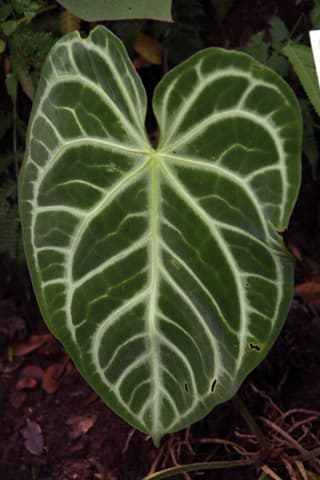
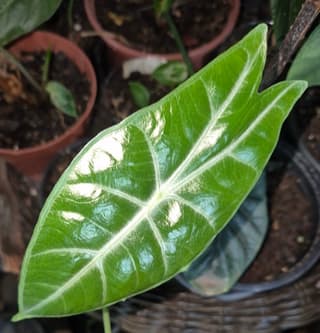
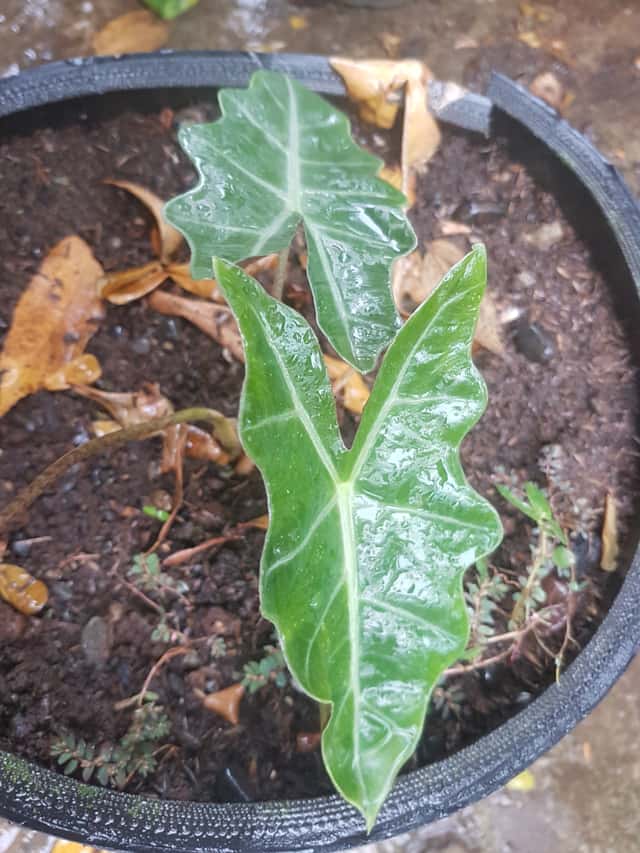
Kris Plant (Alocasia sanderiana) is a hard-care plant from the Araceae family. Alocasia sanderiana, commonly known as the Kris Plant or Sander's Alocasia, is a stunning tropical foliage plant native to the Philippines. It features dramatic arrow-shaped dark green leaves with silvery-white veins and wavy, serrated edges that resemble the blade of a Kris dagger — hence its popul...
Kris Plant grows up to 1.2m, spread of 90cm, watering every 7 days, 18°C – 29°C, 60–80% humidity. It is suitable for indoor environments and not safe for pets.
Unlike easy-care plants, Kris Plant demands constant attention to humidity and light. Not recommended for beginners. Without precautions, ingestion can cause irritation in pets. Keep out of reach of cats and dogs. Without adequate drainage, root rot can develop within 14 days.
How to Care for Kris Plant?
TLDR: Kris Plant needs Partial shade, watering every 7 days, and temperatures between 18-29°C with 60-80% humidity.
How Often Should You Water Kris Plant?
Water deeply once a week during spring and summer when the top 1 inch of soil feels dry. In autumn and winter, reduce frequency to every 10–14 days. Never let the plant sit in standing water — always use a pot with drainage holes to prevent root rot.
How Much Light Does Kris Plant Need?
Place in bright indirect light, ideally within 1–2 metres of an east- or west-facing window. Avoid direct afternoon sun which scorches the leaves. At least 6 hours of bright filtered light per day is essential for healthy growth.
What Is the Best Soil for Kris Plant?
Use a well-draining tropical mix: combine peat moss or coco coir with perlite and a small amount of orchid bark. Aim for a pH of 5.5–7.0. Never use heavy garden soil — it retains too much moisture and risks root rot.
What Pot Should You Use for Kris Plant?
A medium-to-large pot with drainage holes. Terracotta pots are excellent as they allow the soil to dry evenly and reduce overwatering risk. Avoid decorative pots without drainage.
Care Schedule
Fertilize
Every 30 days
Misting
Every 3 days
Rotate
Every 90 days
Repot
Every 365 days
What Is Kris Plant and Where Does It Come From?
Alocasia sanderiana, commonly known as the Kris Plant or Sander's Alocasia, is a stunning tropical foliage plant native to the Philippines. It features dramatic arrow-shaped dark green leaves with silvery-white veins and wavy, serrated edges that resemble the blade of a Kris dagger — hence its popular name. Critically endangered in its natural rainforest habitat, it is prized as a collector's houseplant worldwide.
How to Propagate Kris Plant?
Rhizome Division
Use clean, sharp tools to avoid infection. Keep divisions warm (above 20°C) and lightly misted while roots establish.
- 1 Remove the plant from its pot during the active growing season in spring
- 2 Gently separate offsets or rhizome sections, each with at least one stem and root
- 3 Plant each division in fresh, well-draining potting mix
- 4 Keep in a warm, humid spot away from direct sun until established
Materials needed:
Stem Cutting
This method is less reliable than division. Bottom heat (around 24°C) significantly improves success rate.
- 1 Cut a healthy stem section just below a leaf node
- 2 Dip the cut end in rooting hormone
- 3 Place in moist perlite or a mix of perlite and peat
- 4 Maintain high humidity with a clear plastic bag or propagation dome
Materials needed:
How Big Does Kris Plant Grow?
TLDR: Kris Plant can reach up to 1.2m tall with Slow growth rate.
Max height
1.2m
Spread
90cm
Growth rate
Slow
Foliage
Evergreen
Warning: Toxic Plant
This plant can be toxic if ingested. Keep out of reach of:
Plant Uses
Ornamental
Great for decoration
Is your plant showing symptoms?
Click on the symptom to discover possible causes:
What Diseases Commonly Affect Kris Plant?
TLDR: Kris Plant is susceptible to 11 known diseases. Monitor regularly for early detection.
Root Rot
Root rot is a serious fungal disease that affects the root system of plants, causing them to decay and die. It is primarily caused by overwatering, poor drainage, or soil-borne fungi such as Pythium, Phytophthora, Rhizoctonia, and Fusarium. The disease thrives in waterlogged conditions where roots are deprived of oxygen, making them susceptible to fungal infection.
Leaf Spot
Leaf spot is a common fungal disease caused by various pathogens including Alternaria, Ascochyta, Colletotrichum, Septoria, and Venturia. It primarily affects leaves, causing discolored spots that can lead to premature leaf drop if left untreated.
Powdery Mildew
Powdery mildew is a common fungal disease caused by various fungi species including Erysiphe, Podosphaera, Oïdium, and Leveillula. It affects over 10,000 plant species worldwide. The disease thrives in warm, dry climates with high humidity and appears as a distinctive white powdery coating on plant surfaces.
Bacterial Blight
Bacterial blight is a serious plant disease caused by pathogenic bacteria that enters plants through wounds or natural openings. It spreads rapidly in warm, wet conditions and can cause significant damage to leaves, stems, and flowers. The bacteria are transmitted by water splash, contaminated tools, and insects.
Meaning & Symbolism
Its IUCN critically endangered status makes it a symbol of the fragility of biodiversity and the importance of conservation. In the Philippines, its blade-like leaves evoke the sacred Kris dagger, symbolising strength and protection.
Fun Facts
The blade-like shape of its leaves inspired its common name — the Kris Plant — named after the wavy-bladed Kris dagger traditional to the Philippines and Indonesia.
Alocasia sanderiana is classified as Critically Endangered by the IUCN, making cultivated specimens important for the conservation of the species.
In ideal tropical conditions, this plant can produce leaves up to 60 cm long with stunning metallic silver venation.
It was first described to Western science in 1885 and named in honour of the Belgian-British horticulturalist Henry Frederick Conrad Sander.
Frequently asked questions
How often should I water my Kris Plant?
Why are the leaves of my Alocasia sanderiana turning yellow?
Is the Kris Plant toxic to pets?
How much light does Alocasia sanderiana need?
Why is Alocasia sanderiana so rare?
Compare with similar plants
| Attribute | Difficulty | Light | Watering | Pet Safe |
|---|---|---|---|---|
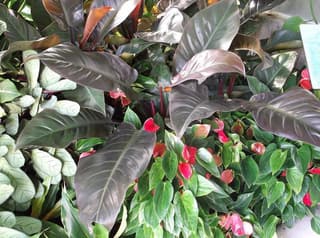
| Congo Philodendron | Medium | Partial shade | 10d | ⚠️ |
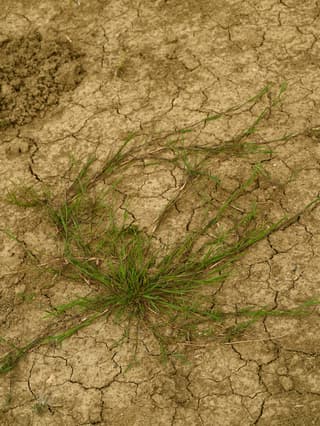
| Creeping bentgrass | Hard | Direct sun | 3d | ✓ |
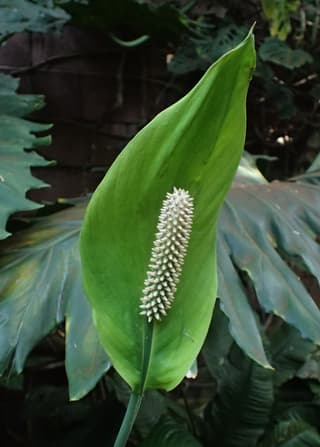
| Peace Lily | Easy | Low light | 7d | ⚠️ |
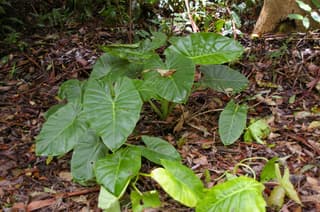
| Cunjevoi | Medium | Bright indirect | 8d | ⚠️ |