Araceae
Crystal Anthurium (Anthurium crystallinum): Complete Care Guide
Anthurium crystallinum
High difficulty plant, recommended for experienced growers. Needs bright indirect light (800–2,500 lux), weekly watering with well-draining soil, humidity between 70–85%, and temperatures between 65–80°F (18–27°C). Use an aerated substrate rich in organic matter. Avoid direct sun, waterlogging, and dry air—water sensitivity is high. Grows slowly but is extremely ornamental and purifies the air.
Every 7 days
Partial shade
18° - 27°C
70% - 85%
Categories
What is Crystal Anthurium?
Crystal Anthurium (Anthurium crystallinum) is a hard-care plant from the Araceae family. The Crystal Anthurium (Anthurium crystallinum) is a tropical plant from the Araceae family, native to the rainforests of Colombia and Panama. Valued primarily for the exuberant beauty of its foliage, it is considered one of the most elegant indoor plants in the world. Its large, velvety, deep dark g...
Crystal Anthurium grows up to 90cm, spread of 60cm, watering every 7 days, 18°C – 27°C, 70–85% humidity. It is suitable for indoor environments and not safe for pets.
Unlike easy-care plants, Crystal Anthurium demands constant attention to humidity and light. Not recommended for beginners. Without precautions, ingestion can cause irritation in pets. Keep out of reach of cats and dogs. Without adequate drainage, root rot can develop within 14 days.
How to Care for Crystal Anthurium?
TLDR: Crystal Anthurium needs Partial shade, watering every 7 days, and temperatures between 18-27°C with 70-85% humidity.
How Often Should You Water Crystal Anthurium?
Water every 7 days, always checking if the top third of the substrate is dry before watering. The Crystal Anthurium has high water sensitivity: excess water quickly leads to root rot. Use filtered water or water left to sit for 24 hours at room temperature. Never leave the plant with waterlogged roots.
How Much Light Does Crystal Anthurium Need?
Position in a spot with bright indirect light, between 800 and 2,500 lux. Avoid direct sun exposure, which burns the delicate leaves. An east- or north-facing window, or 3–6 feet (1–2 meters) from a sunny window, is ideal. In dark environments, consider full-spectrum artificial light.
What Is the Best Soil for Crystal Anthurium?
Use an aerated substrate rich in organic matter, such as an aroid mix: orchid bark, charcoal, perlite, and coconut fiber. The ideal pH is between 5.5 and 6.5. The soil should retain moisture without becoming soggy. Replace the substrate every 1–2 years to maintain nutritional quality.
What Pot Should You Use for Crystal Anthurium?
Terracotta or unglazed clay pots with generous drainage holes are ideal, as they allow for gas exchange at the roots. Avoid dark plastic pots that retain excessive heat. The pot size should be only slightly larger than the root ball—pots that are too large encourage waterlogging.
Care Schedule
Fertilize
Every 30 days
Misting
Every 2 days
Repot
Every 540 days
What Is Crystal Anthurium and Where Does It Come From?
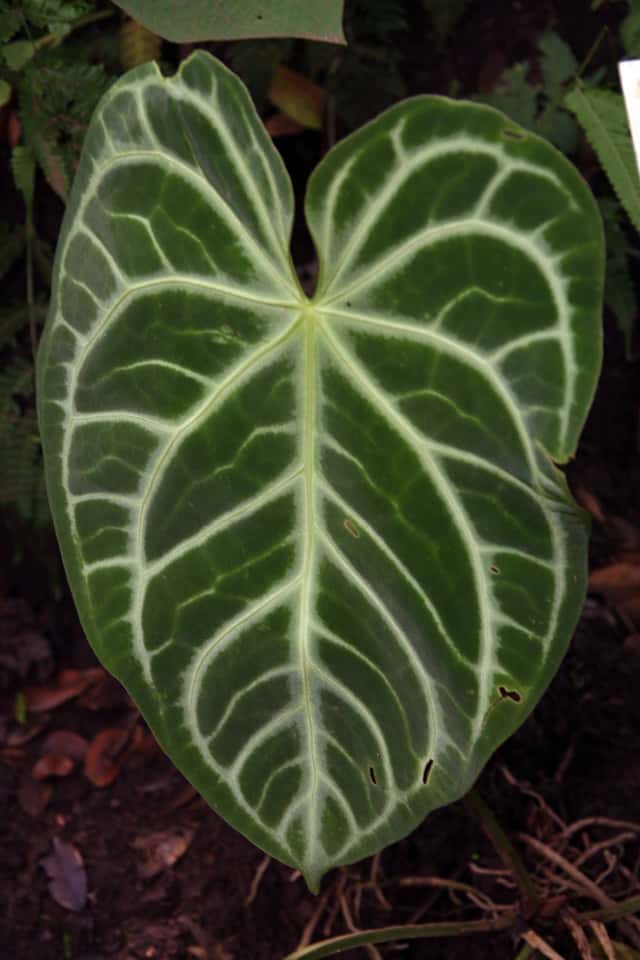
The Crystal Anthurium (Anthurium crystallinum) is a tropical plant from the Araceae family, native to the rainforests of Colombia and Panama. Valued primarily for the exuberant beauty of its foliage, it is considered one of the most elegant indoor plants in the world. Its large, velvety, deep dark green leaves are adorned with extremely pronounced white and silvery veins that resemble crystals—giving rise to its common name. Under ideal conditions, the leaves can exceed 20 inches (50 cm) in length. It is a slow-growing plant that requires consistent care, especially regarding humidity and soil quality, but it generously rewards dedicated growers with a truly majestic presence.
How to Propagate Crystal Anthurium?
Clump Division
Perform the division only when the plant has at least 2 healthy shoots. Sprinkle cinnamon powder on the cuts to prevent infection.
- 1 Carefully remove the plant from the pot, exposing the roots
- 2 Identify shoots or offsets with their own root systems
- 3 Gently separate with your hands or sterilized shears
- 4 Plant each division in moist aroid substrate
- 5 Keep in a warm, humid spot away from direct light until stabilized
Materials needed:
Stem Cutting
Cuttings are more difficult for this species. Maintain temperatures between 72–79°F (22–26°C) and constant high humidity for best results.
- 1 Select a healthy stem with at least one node and one leaf
- 2 Cut just below the node with sterilized shears
- 3 Let the cut dry for 1 hour before planting
- 4 Insert into a moist substrate of perlite and sphagnum moss
- 5 Cover with a plastic bag to maintain humidity above 80%
Materials needed:
Offset Separation
This is the safest way to multiply the Crystal Anthurium. Wait for the offset to have its own roots before separating.
- 1 Wait for the offset to reach at least 1/3 the size of the mother plant
- 2 Remove the mother plant from the pot and locate the offset at the base
- 3 Carefully separate, preserving the offset's roots
- 4 Plant in a small pot with moist aroid substrate
- 5 Keep in a warm, humid environment until well-rooted
Materials needed:
How Big Does Crystal Anthurium Grow?
TLDR: Crystal Anthurium can reach up to 90cm tall with Slow growth rate.
Max height
90cm
Spread
60cm
Growth rate
Slow
Foliage
Evergreen
Warning: Toxic Plant
This plant can be toxic if ingested. Keep out of reach of:
Plant Uses
Ornamental
Great for decoration
Air Purifying
Improves air quality
Is your plant showing symptoms?
Click on the symptom to discover possible causes:
What Diseases Commonly Affect Crystal Anthurium?
TLDR: Crystal Anthurium is susceptible to 11 known diseases. Monitor regularly for early detection.
Root Rot
Root rot is a serious fungal disease that affects the root system of plants, causing them to decay and die. It is primarily caused by overwatering, poor drainage, or soil-borne fungi such as Pythium, Phytophthora, Rhizoctonia, and Fusarium. The disease thrives in waterlogged conditions where roots are deprived of oxygen, making them susceptible to fungal infection.
Bacterial Blight
Bacterial blight is a serious plant disease caused by pathogenic bacteria that enters plants through wounds or natural openings. It spreads rapidly in warm, wet conditions and can cause significant damage to leaves, stems, and flowers. The bacteria are transmitted by water splash, contaminated tools, and insects.
Bacterial Leaf Spot
Xanthomonas is a group of bacteria that causes leaf spots and blights on many garden and indoor plants. It spreads through splashing water, wet tools, hands, and infected seed or cuttings. Early signs are small, water‑soaked spots that turn yellow, brown, or black; spots often have a yellow halo and can look angular because veins limit their shape. Leaves may yellow, tear, or drop; stems and fruit can develop dark, sunken lesions. Commonly affected plants include tomato and pepper, brassicas (such as cabbage), beans, citrus, orchid, philodendron, coleus, and many other ornamentals.
Leaf Spot
Leaf spot is a common fungal disease caused by various pathogens including Alternaria, Ascochyta, Colletotrichum, Septoria, and Venturia. It primarily affects leaves, causing discolored spots that can lead to premature leaf drop if left untreated.
Meaning & Symbolism
Symbolizes sophistication, rarity, and the beauty of untouched nature. Its crystalline leaves evoke precision, clarity, and the richness of tropical biodiversity. It is a symbol for collectors passionate about exotic plants and represents the desire to bring the exuberance of the rainforest indoors.
Fun Facts
The species epithet crystallinum comes from Latin, meaning 'crystalline' — a direct reference to the glistening veins that appear encrusted with crystals on the leaf surface.
In the wild, Crystal Anthurium grows as an epiphyte or terrestrial plant on the humid slopes of Colombian and Panamanian forests at elevations of 500–1,500 metres above sea level.
Unlike ornamental anthuriums bred for colourful spathes, the Crystal Anthurium blooms with a subtle white-to-green spadix — its real showpiece is always the foliage.
New leaves emerge with a striking bronze-to-reddish hue before gradually deepening to the characteristic dark, velvety green of a mature leaf.
Frequently asked questions
How often should I water Crystal Anthurium?
What humidity does Crystal Anthurium need?
Is Crystal Anthurium toxic to pets?
Why are my Crystal Anthurium leaves turning yellow?
How do I propagate Crystal Anthurium?
Compare with similar plants
| Attribute | Difficulty | Light | Watering | Pet Safe |
|---|---|---|---|---|
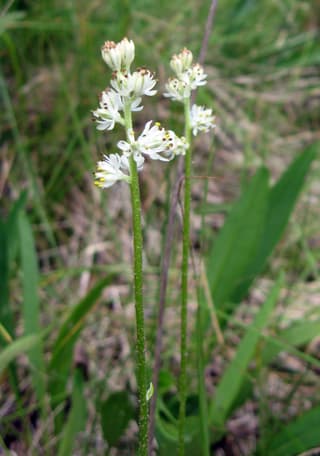
| Sticky false asphodel | Hard | Bright indirect | 1d | ✓ |
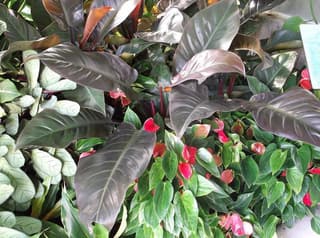
| Congo Philodendron | Medium | Partial shade | 10d | ⚠️ |
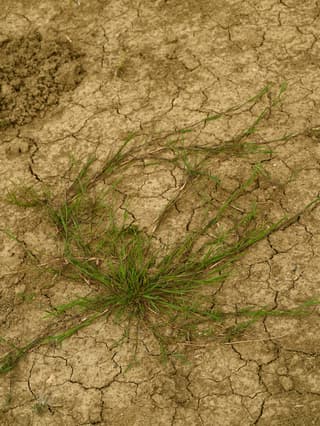
| Creeping bentgrass | Hard | Direct sun | 3d | ✓ |
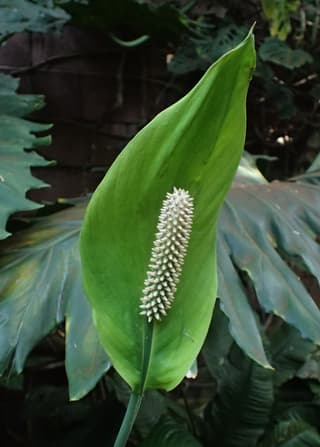
| Peace Lily | Easy | Low light | 7d | ⚠️ |