Araceae
Alocasia Nebula Care Guide
Alocasia nebula
Give Alocasia nebula bright, indirect light, high humidity (60%+), and water only once the top few centimeters of a well-draining aroid mix have dried. It is sensitive to both overwatering and cold drafts, so consistency is key to keeping this jewel aroid thriving.
Every 6 days
Bright indirect
16° - 27°C
60% - 80%
Categories
What is Alocasia Nebula?
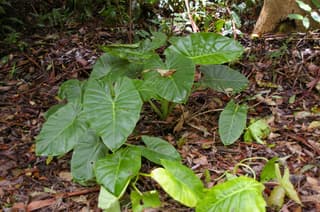
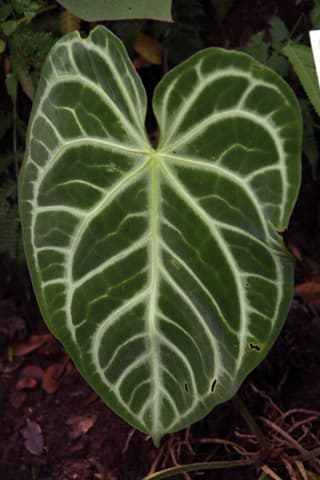
Alocasia Nebula (Alocasia nebula) is a hard-care plant from the Araceae family. Alocasia nebula is a highly coveted jewel aroid prized for its velvety, deeply corrugated leaves marked with silvery, cloud-like ('nebula') veining against a dark green backdrop. Part of the Alocasia longiloba complex from the tropical rainforests of Southeast Asia, it forms a compact clumping roset...
Alocasia Nebula grows up to 90cm, spread of 60cm, watering every 6 days, 16°C – 27°C, 60–80% humidity. It is suitable for indoor environments and not safe for pets.
Unlike easy-care plants, Alocasia Nebula demands constant attention to humidity and light. Not recommended for beginners. Without precautions, ingestion can cause irritation in pets. Keep out of reach of cats and dogs. Without adequate drainage, root rot can develop within 12 days.
How to Care for Alocasia Nebula?
TLDR: Alocasia Nebula needs Bright indirect, watering every 6 days, and temperatures between 16-27°C with 60-80% humidity.
How Often Should You Water Alocasia Nebula?
Water thoroughly when the top 2-3 cm of soil feels dry, roughly every 6 days in the growing season and less often in winter. Always use filtered or rainwater and ensure the pot drains freely to avoid root rot.
How Much Light Does Alocasia Nebula Need?
Place near an east- or west-facing window for bright, filtered light. Direct sun will scorch the delicate leaves, while too little light causes leggy growth and leaf drop.
What Is the Best Soil for Alocasia Nebula?
Use a chunky, well-draining aroid mix of potting soil, orchid bark, perlite, and peat or coco coir to keep roots aerated and prevent waterlogging.
What Pot Should You Use for Alocasia Nebula?
Terracotta or nursery pots with ample drainage holes work best, ideally placed inside a humidity tray or cabinet.
Care Schedule
Fertilize
Every 30 days
Rotate
Every 14 days
Repot
Every 730 days
What Is Alocasia Nebula and Where Does It Come From?
Alocasia nebula is a highly coveted jewel aroid prized for its velvety, deeply corrugated leaves marked with silvery, cloud-like ('nebula') veining against a dark green backdrop. Part of the Alocasia longiloba complex from the tropical rainforests of Southeast Asia, it forms a compact clumping rosette from an underground corm, rarely exceeding 90 cm in cultivation. Its dramatic foliage and collector status make it a centerpiece for humidity-controlled terrariums and greenhouse cabinets.
How to Propagate Alocasia Nebula?
Corm Division
Always sterilize tools before cutting to prevent bacterial infection, and avoid overwatering divisions until roots establish.
- 1 Remove the mother plant from its pot and gently rinse away excess soil from the root ball.
- 2 Locate offset corms or pups growing at the base with their own roots.
- 3 Use a clean, sharp knife to separate each offset from the main rhizome.
- 4 Let cut surfaces callus for a few hours before planting.
- 5 Pot each division in a well-draining aroid mix and keep humidity high until new growth appears.
Materials needed:
How Big Does Alocasia Nebula Grow?
TLDR: Alocasia Nebula can reach up to 90cm tall with Medium growth rate.
Max height
90cm
Spread
60cm
Growth rate
Medium
Foliage
Evergreen
Warning: Toxic Plant
This plant can be toxic if ingested. Keep out of reach of:
Plant Uses
Ornamental
Great for decoration
Is your plant showing symptoms?
Click on the symptom to discover possible causes:
What Diseases Commonly Affect Alocasia Nebula?
TLDR: Alocasia Nebula is susceptible to 8 known diseases. Monitor regularly for early detection.
Root Rot
Root rot is a serious fungal disease that affects the root system of plants, causing them to decay and die. It is primarily caused by overwatering, poor drainage, or soil-borne fungi such as Pythium, Phytophthora, Rhizoctonia, and Fusarium. The disease thrives in waterlogged conditions where roots are deprived of oxygen, making them susceptible to fungal infection.
Crown Rot
Crown rot is a serious fungal disease that attacks the crown (base) of the plant where the stem meets the soil. It is caused by various fungal pathogens including Phytophthora, Fusarium, and Rhizoctonia. The disease thrives in waterlogged conditions and can quickly spread to kill the entire plant if not addressed promptly.
Bacterial Leaf Spot
Bacterial leaf spot is a plant disease caused by bacteria in the Xanthomonas and Pseudomonas genera that affects various ornamental and edible plants. The bacteria infect leaves through wounds or natural openings, causing characteristic lesions that can lead to premature leaf drop and plant weakening.
Bacterial Leaf Spot
Xanthomonas is a group of bacteria that causes leaf spots and blights on many garden and indoor plants. It spreads through splashing water, wet tools, hands, and infected seed or cuttings. Early signs are small, water‑soaked spots that turn yellow, brown, or black; spots often have a yellow halo and can look angular because veins limit their shape. Leaves may yellow, tear, or drop; stems and fruit can develop dark, sunken lesions. Commonly affected plants include tomato and pepper, brassicas (such as cabbage), beans, citrus, orchid, philodendron, coleus, and many other ornamentals.
Meaning & Symbolism
In houseplant culture, jewel Alocasias like Nebula represent rarity, refined taste and the rewards of patient care, often gifted among collectors as a symbol of dedication.
Fun Facts
The name 'nebula' refers to its cloud-like silvery leaf patterning, reminiscent of a nebula in space.
Alocasia nebula belongs to the Alocasia longiloba complex, a group of jewel aroids native to Southeast Asian rainforests.
Each new leaf unfurls a slightly different vein pattern, making every plant visually unique.
Jewel Alocasias like Nebula are often grown in closed terrariums to replicate their humid rainforest understory habitat.
Frequently asked questions
How often should I water my Alocasia nebula?
Is Alocasia nebula toxic to pets?
Why are my Alocasia nebula leaves drooping?
How much humidity does Alocasia nebula need?
How do I propagate Alocasia nebula?
Compare with similar plants
| Attribute | Difficulty | Light | Watering | Pet Safe |
|---|---|---|---|---|
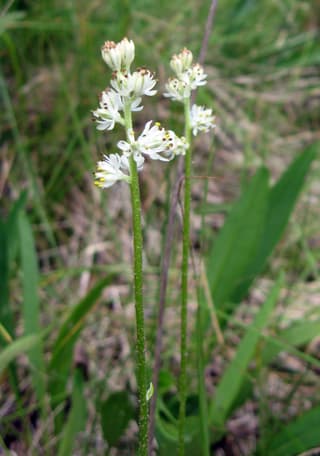
| Sticky false asphodel | Hard | Bright indirect | 1d | ✓ |
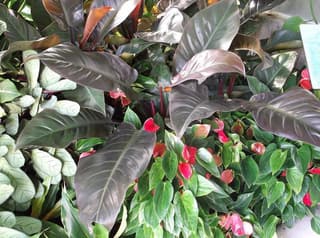
| Congo Philodendron | Medium | Partial shade | 10d | ⚠️ |
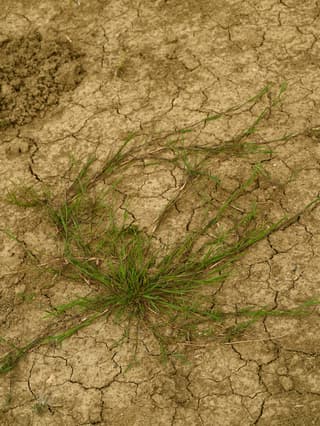
| Creeping bentgrass | Hard | Direct sun | 3d | ✓ |
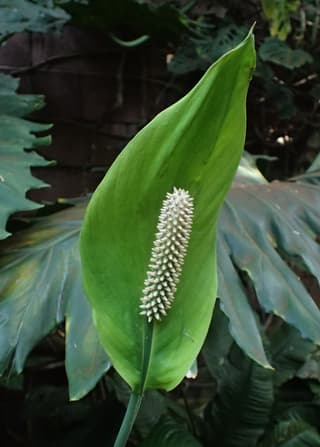
| Peace Lily | Easy | Low light | 7d | ⚠️ |