Asteraceae
American Burnweed: Edible Plant
Erechtites hieraciifolius
An extremely hardy and fast-growing plant. It prefers full sun and soil rich in organic matter with constant moisture.
Every 6 days
Direct sun
0° - 35°C
30% - 50%
Categories
What is American Burnweed?
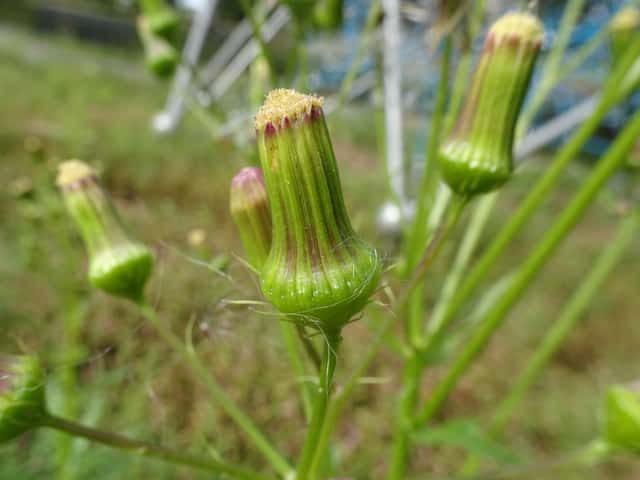
American Burnweed (Erechtites hieraciifolius) is a easy-care plant from the Asteraceae family. Erechtites hieraciifolius, popularly known as American burnweed or fireweed, is an annual herbaceous plant native to the Americas. It is a pioneer species, often found in disturbed soil or after fires, which earned it its common name. It features an erect stem, serrated leaves, and flower heads that...
American Burnweed grows up to 3.0m, spread of 60cm, watering every 6 days, 0°C – 35°C, 30–50% humidity. It is not suitable for indoor environments and safe for pets.
Unlike many tropical plants, American Burnweed tolerates watering mistakes. Best for beginners. Unlike many popular species, American Burnweed is safe to keep around pets.
How to Care for American Burnweed?
TLDR: American Burnweed needs Direct sun, watering every 6 days, and temperatures between 0-35°C with 30-50% humidity.
How Often Should You Water American Burnweed?
Do not let the soil dry out completely between waterings; American burnweed appreciates constant moisture at the roots.
How Much Light Does American Burnweed Need?
For full development and seed production, it should be kept under direct sun for most of the day.
What Is the Best Soil for American Burnweed?
Although it tolerates poor soils, adding organic matter significantly increases the tenderness and flavor of the leaves.
What Pot Should You Use for American Burnweed?
It prefers direct planting in the ground, but if grown in pots, they should be deep and have good drainage.
Care Schedule
Fertilize
Every 35 days
What Is American Burnweed and Where Does It Come From?
Erechtites hieraciifolius, popularly known as American burnweed or fireweed, is an annual herbaceous plant native to the Americas. It is a pioneer species, often found in disturbed soil or after fires, which earned it its common name. It features an erect stem, serrated leaves, and flower heads that produce seeds with white hairs, facilitating wind dispersal. It is widely recognized in Brazil as a NUFP (Non-Conventional Food Plant).
How to Propagate American Burnweed?
Sowing
- The plant self-seeds easily and can become invasive in vegetable gardens.
- Avoid strong winds during sowing so the seeds do not blow away.
- 1 Seed Collection
Harvest the seeds when the flowers turn into small, soft white pom-poms.
- 2 Bed Preparation
Prepare a soil rich in organic compost and very loose.
- 3 Sowing
Scatter the seeds over the soil surface. Do not cover them deeply, as they need light to germinate.
- 4 Moistening
Keep the soil moist with a spray bottle until the seedlings are established.
Materials needed:
How Big Does American Burnweed Grow?
TLDR: American Burnweed can reach up to 3.0m tall with Fast growth rate.
Max height
3.0m
Spread
60cm
Growth rate
Fast
Foliage
Deciduous
Plant Uses
Edible
Can be consumed
Medicinal
Medicinal properties
Medicinal Uses
- Anti-inflammatory action
- Aid in digestive problems
- Topical use as a healing agent
- Treatment of hemorrhoids in folk medicine
Culinary Uses
- Sautéed leaves as a substitute for collard greens
- Ingredient in omelets and quiches
- Use in soups and broths
- Young leaves in salads (characteristic bitter flavor)
Is your plant showing symptoms?
Click on the symptom to discover possible causes:
What Diseases Commonly Affect American Burnweed?
TLDR: American Burnweed is susceptible to 12 known diseases. Monitor regularly for early detection.
Aphids
Aphids are small, soft-bodied, pear-shaped insects (1/16 to 1/8 inch long) that feed by sucking nutrient-rich sap from plants. They reproduce rapidly and can quickly weaken plants, causing distorted growth and transmitting plant viruses. Aphids come in various colors including green, black, red, yellow, brown, and gray. They secrete honeydew, a sticky substance that attracts ants and encourages sooty mold growth.
Powdery Mildew
Powdery mildew is a common fungal disease caused by various fungi species including Erysiphe, Podosphaera, Oïdium, and Leveillula. It affects over 10,000 plant species worldwide. The disease thrives in warm, dry climates with high humidity and appears as a distinctive white powdery coating on plant surfaces.
Leafminers
Leafminers are the larvae of various insects including flies, moths, sawflies, and beetles that tunnel between leaf surfaces, creating distinctive serpentine trails or blotchy patches. While primarily cosmetic, severe infestations can weaken plants by reducing photosynthesis capacity and making them susceptible to secondary infections.
Caterpillars
Caterpillars are the larval stage of moths and butterflies that feed voraciously on plant foliage, stems, flowers, and fruits. Common species include cabbage loopers, tomato hornworms, armyworms, and cutworms. These pests can cause extensive damage by consuming large amounts of plant tissue in a short time. They vary in size from small (1/4 inch) to large (5 inches), with colors ranging from green to brown, often featuring stripes or spots. Caterpillars are highly mobile and can quickly spread throughout gardens, making them one of the most destructive common pests.
Meaning & Symbolism
It symbolizes resilience and life that re-emerges after destruction, being one of the first to colonize degraded soils.
Compare with similar plants
| Attribute | Difficulty | Light | Watering | Pet Safe |
|---|---|---|---|---|
| Field Maple | Easy | Bright indirect | 14d | ✓ |
| Silver Birch | Easy | Direct sun | 14d | ✓ |
| Cushion Bush | Easy | Direct sun | 14d | ✓ |
| Wild Lettuce | Medium | Direct sun | 7d | ⚠️ |





